Caring for children with cerebral palsy

If your child has been diagnosed with cerebral palsy, you probably have a lot of questions right now, and that’s completely understandable. Cerebral palsy is a lifelong condition that affects a person’s movement and coordination. It can also cause other difficulties, such as problems with swallowing, speaking and learning.
In this guide, we’ll cover:
- What cerebral palsy is
- How to recognise the signs
- How to support your child’s development
- Where to find help and guidance
What is cerebral palsy?
Cerebral palsy is an umbrella term used to describe a range of permanent conditions that affect a person’s movement and coordination. It happens when there is a disruption to brain development before, during, or after birth.
It affects each child in a different way. For example, some children experience mild problems with movement, while others will need a lot of day-to-day support throughout their lives.
The brain injury that leads to cerebral palsy doesn’t get worse over time, but it can lead to problems like painful joints as the child grows up.
What causes cerebral palsy?
Cerebral palsy is caused when the baby’s brain is damaged or doesn’t develop as expected.
There are many reasons for this, including:
- A lack of oxygen during a difficult labour
- Bleeding in the brain
- Infections picked up during pregnancy
- Meningitis
- A serious head injury
Premature babies, especially those born before 32 weeks, are at greater risk. For many children with cerebral palsy, though, there is no single identified cause.
Is cerebral palsy genetic?
For most children, the cause of their cerebral palsy is not genetic.
However, one study at Boston Children’s Hospital suggested that a genetic factor may be present in up to a quarter of cases. Further research from Washington University found that where genetics played a role, it happened spontaneously and was not passed down by a parent.
Signs of cerebral palsy in babies and young children
Signs of cerebral palsy are not always apparent at birth. They tend to emerge gradually during the early months and years.
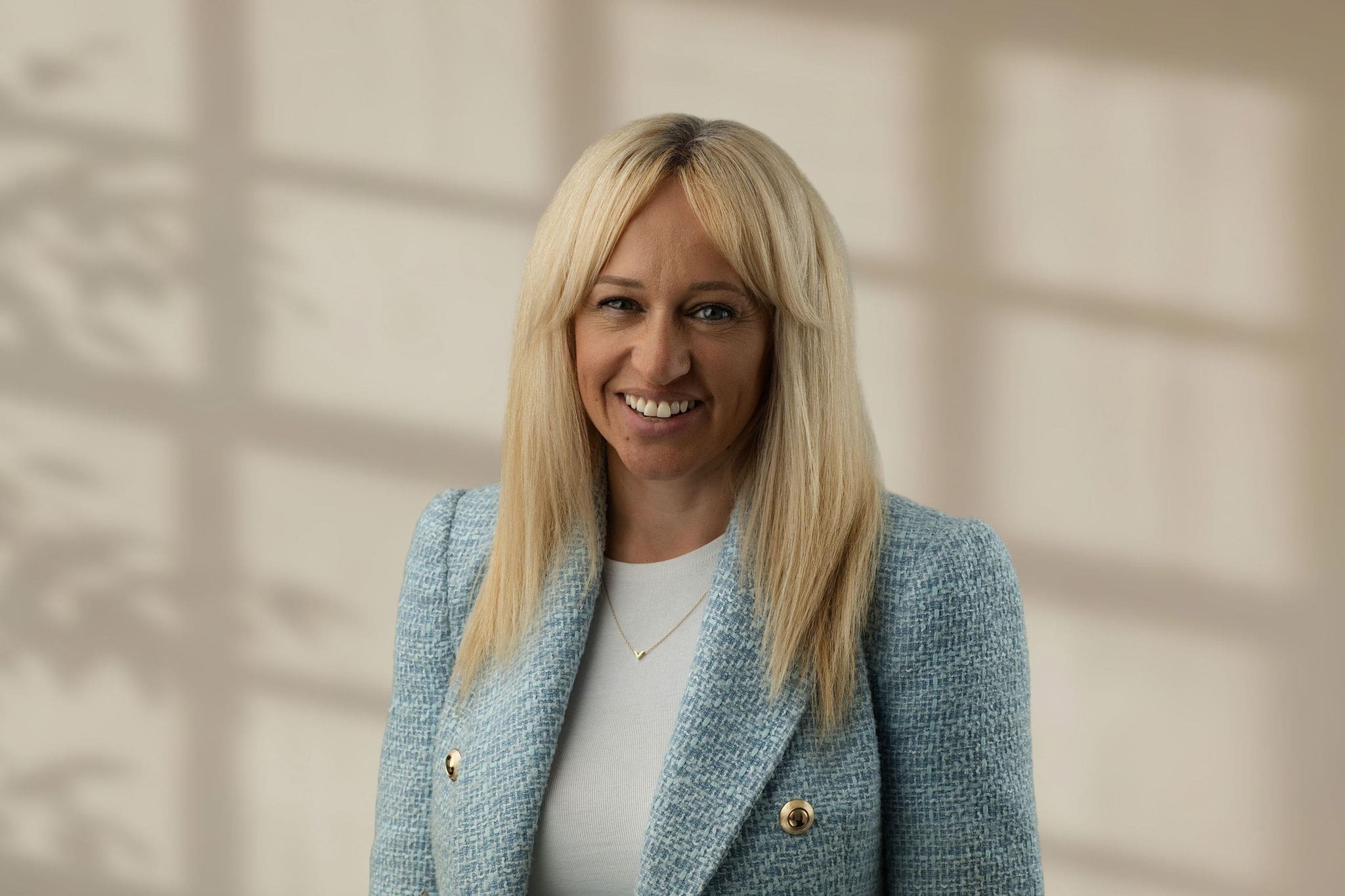
“With the right support in place, children with cerebral palsy can achieve incredible things, and every child deserves that opportunity.”
Leanne Devine
Associate Solicitor
Cerebral palsy symptoms in babies
Many parents first notice that their baby is slow to reach key milestones, like not sitting independently by around eight months, or not walking by 18 months.
Other early signs include:
- Stiffness or floppiness in the limbs
- Weakness in the arms or legs
- Jerky or uncoordinated movements
Your child may also experience difficulties with feeding, speech, or vision.
Infantile spasms and other early indicators
Infantile spasms are a rare but serious form of epilepsy that typically appears between four and eight months of age. They affect around one in every 3,000 UK children each year.
They can be easy to miss at first, as the movements can look like normal baby behaviour or colic. After a spasm, your child may make jerky movements. This can cause muscle stiffness, and they may bend forward with their arms or legs stretched out.
Their development may slow down, and they may even lose skills they’ve already gained, such as babbling or sitting unaided.
Getting medical help quickly matters. The sooner a doctor sees your child, the better their developmental outcome is likely to be.
Understanding different types of cerebral palsy
The type of cerebral palsy your doctor diagnoses depends on the symptoms. The four major types are:
Hemiplegia
Hemiplegia affects one side of the body, normally the arm and leg on the same side.
Spastic
Spastic cerebral palsy is the most common form of the condition. Its main symptoms are muscle tightness and stiffness, which make movement harder.
Dyskinetic
With dyskinetic cerebral palsy, muscle tone changes unpredictably, from tight to loose, causing involuntary movements.
It can also affect the muscles of the face and tongue, making swallowing and speech more difficult.
Ataxic
Ataxic cerebral palsy mainly affects balance and coordination.
This can make someone’s walk unsteady. They may also struggle with tasks that need fine motor control, like writing or picking up small objects.
Everyday life with a child who has cerebral palsy
Every family’s experience is different, so how you support a baby or young child with cerebral palsy depends on their individual needs.
Occupational therapists can help you adapt your home. They may recommend equipment to make everyday routines, like bathing, seating and sleeping, easier.
Many children with cerebral palsy attend mainstream school, and many go on to lead full, independent lives. Some may have special educational needs and benefit from attending a special school.
Family story: We represented a family whose daughter, Holly, was oxygen-deprived for 34 minutes after her mum’s caesarean scar ruptured. Following work with an Augmentative and Alternative Communication specialist (AAC), she was able to access secondary school.
Supporting your child’s physical development
Providing your child with early and ongoing support can make a real difference to their physical development. Three ways to do this are:
Physiotherapy and movement support
Physiotherapy is a key part of cerebral palsy treatment. The long-term aim is to help children achieve the best possible mobility and independence.
To keep muscles supple and prevent tightness from worsening, your child’s physiotherapist may recommend:
- Daily exercises
- Stretching
- Postural management
Starting as early as possible also reduces the likelihood of your child needing surgery later.
Adaptive equipment and mobility aids
Depending on their needs, therapists may suggest adaptive equipment and mobility aids, such as:
- Walking frames
- Standing frames
- Lycra garments
- Splints
These tools can help with posture, movement, and day-to-day independence.
Encouraging play and activity
All children benefit from exercise and play, including those with cerebral palsy.
Talk with their occupational therapist and physiotherapist about what kinds of exercise and play suit their abilities and interests.



Helping your child build confidence and independence
Recognising milestones, encouraging self-expression, and creating chances to play with others all help build your child’s confidence and independence.
Education and inclusion are central to this, and the right school environment can make a real difference.
You, their school, and their therapy team can work together on any adjustments needed, so they can take part in learning and social activities alongside their peers.
The challenges parents and carers may face
Even with support from health and education services, parents and carers still face challenges that deserve to be recognised.
Emotional challenges
Many parents feel anxious about their child’s future. Some feel cut off from other families who don’t understand what day-to-day life with cerebral palsy involves.
Looking after a child with cerebral palsy can take a toll on your mental health. The NHS recognises this can sometimes lead to conditions like depression.
Financial and practical pressures
Living with cerebral palsy as a family can mean significant changes to everyday life. Some parents find they need to reduce their working hours or leave employment altogether to meet the day-to-day demands.
Financial support such as Disability Living Allowance and Carer’s Allowance may be available.
Navigating healthcare and support services
Getting the right support in place for them can be complex. Many parents find that knowing what is available and how to access it is a challenge in itself.
Keep a record of appointments, assessments, and the professionals involved in their treatment, so you stay on top of things.
Finding support as a parent or carer
There are other sources of support you can find as a parent or carer, including:
Support groups and communities
Scope, the main UK charity for people with cerebral palsy, runs an online community where parents and carers can meet, plus a free helpline on 0808 800 3333.
The Brain Charity offers practical assistance, emotional support, and social opportunities for people living with neurological conditions and their families across the UK.
Professional support services
You should have a single point of contact within your specialist services to help keep things joined up.
If you don’t, ask your consultant or therapist to arrange a named care coordinator.
When cerebral palsy may be linked to medical negligence
In some cases, cerebral palsy may be linked to delayed treatment or avoidable complications during pregnancy, labour, or shortly after birth.
If you’re worried about the care you or your baby received, it may be worth exploring whether you have a cerebral palsy claim.
Our guide to the litigation process explains what this involves and can help you decide whether it’s the right step for your family.
How legal support can help families
Making a medical negligence claim can help you access compensation to cover costs such as:
- Ongoing care
- Rehabilitation
- Specialist equipment
- Home adaptations
- Lost income
Family story: Charlotte lives with quadriplegic cerebral palsy, visual and intellectual impairment, epilepsy and significant feeding difficulties. Her injuries mean she will need round-the-clock support throughout her life. We secured an £11 million settlement to pay for her ongoing care, carers, and resources.
How Fletchers supports families of children with cerebral palsy
Fletchers has extensive experience supporting families affected by cerebral palsy. Our specialist birth injury team works closely with families on a “No Win, No Fee” basis. We help with both your claim and long-term support.
Recently, our birth injury experts have helped with the following cases:
- Over £15 millionsecured for a boy who suffered a brain injury after a breathing tube became dislodged during a hospital transfer.
- £17 million recovered for a child who sustained a permanent brain injury following a series of midwife failures.
- £14.6 millionawarded to provide lifelong care after a delayed delivery and failures in CTG monitoring.
- £25 millionwas obtained after hospital staff failed to recognise fetal distress, which resulted in a delayed delivery.
- An eight-figure settlementfor a child who experienced cerebral palsy following an avoidable uterine rupture during childbirth.
- £4.5 millionfor a teenager who suffered oxygen starvation at birth, causing dyskinetic cerebral palsy.
- A multi-million pound settlement for a baby boy, despite the hospital having lost critical CTG monitoring records.
- A c-section cerebral palsy claim where we secured a settlement after a delayed delivery.

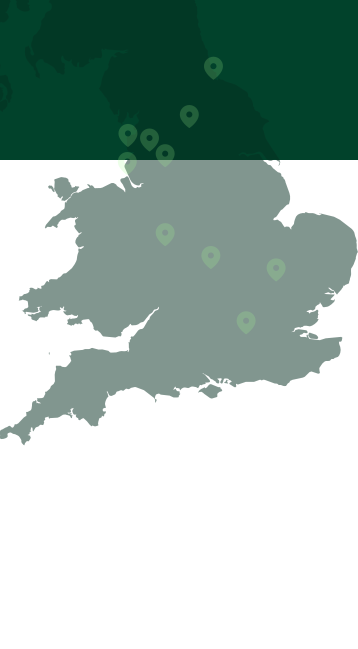
A national team, here when you need us
With offices across the UK, we’re never too far away, helping people access specialist advice and support wherever they are.



Start your claim with confidence
Not sure where to start? We’ll listen, guide you, and give clear, honest advice on what to do next.