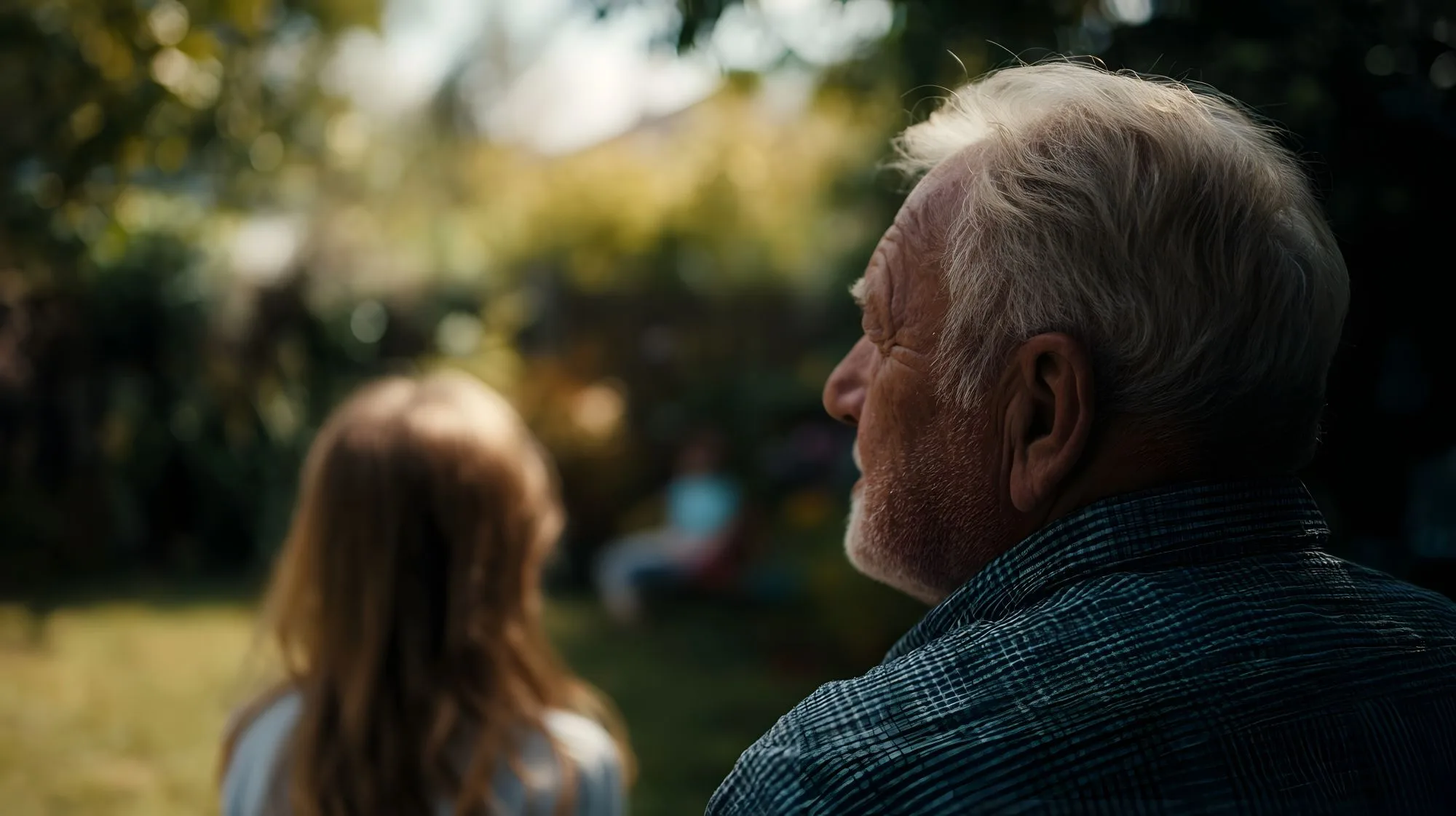
Brain injury claims
A brain injury can change everything. If your injury was caused by someone else's negligence, you may be entitled to make a brain injury claim. We focus not just on securing compensation, but on helping you recover, rebuild, and thrive after injury.
-
-
 TOP-RANKED LEGAL EXPERTS
CHAMBERS & LEGAL 500
TOP-RANKED LEGAL EXPERTS
CHAMBERS & LEGAL 500 -
NO WIN, NO FEE




Can I make a brain injury claim?
You might be able to make a brain injury compensation claim, if your injury was caused by someone else’s negligence. A brain injury is one of the most serious and life-altering injuries someone can experience. Often, it affects every aspect of how you think, feel, move, and live each day. Our specialist brain injury solicitors understand the complexities and challenges, and can offer support that’s tailored to you.
For your case to be successful, three things need to apply. We first need to establish that someone owed you a duty of care. This could be from the driver of a vehicle on the road, or an organisation responsible for your employment – if you were injured at work. We then need to establish that the duty of care was breached in some way, and importantly, that you suffered your brain injury as a result. Our team will assess all of this for you, so there’s no need to understand everything right away.
You could have a valid claim even if the accident happened some time ago, or if responsibility for the accident is not yet clear. Even if you’re unsure whether your situation qualifies, it’s still worth speaking to us. In most cases you have three years from the date of your injury to make a claim, but there are exceptions. We’ll guide you through the legal process and explain everything as we go.
Example of a brain injury claim
Imagine a motorcyclist who is hit by a car, because the driver pulled out of a side road, without making sufficient checks it was clear to emerge. The impact throws them from their bike, and they suffer a traumatic brain injury. Over time, it becomes clear that the injury has caused significant memory loss, and cognition difficulties. They’re unable to return to work for a considerable time. If the driver failed to meet their duty of care on the road, and the injury could have been avoided if they had checked for traffic appropriately, this could be a valid brain injury compensation claim.
Common brain injury claims we can support with
Expertise you can trust
- 9/10 clients would recommend us
- Dedicated rehabilitation and wellbeing team
- Securing interim payments to ensure early access to support
What compensation can help with


Recovering lost income and covering future care.
When you have suffered a brain injury, compensation can make a huge difference to your quality of life. We secure packages that are made to meet the needs of the people we support – and we consider your needs now and in the future. A brain injury can mean that life-long care is required, home adaptations are necessary, and your capacity to work is affected. We can help you, and your family, have the financial security to access the right support and plan for what comes next.
A successful brain injury claim may help fund:
- Neurological rehabilitation and physiotherapy
- Ongoing medical treatment and specialist care
- Psychological support and counselling for you and your family
- Home adaptations and specialist equipment
- Loss of earnings, both current and future
- Case management and long-term support coordination
- Travel and transport costs related to your recovery
What compensation can provide
We secured a settlement of £2.5million for Mark who suffered a traumatic brain injury in a road traffic collision. This meant Mark could benefit from a daily rehabilitation programme, which made a huge difference to his recovery.
He was able to build new routines, and regain his strength and independence over time. Mark was determined to recover well, and was eventually able to return to the sport he loved – golf – achieving an impressive 9 handicap, despite initially losing mental capacity and facing a long recovery.
Understanding interim payments
We understand that waiting for a claim to finish can put financial pressure on you and your family. Where possible, we’ll work to secure interim payments during the claims process, before the final settlement is reached.
This can mean you’re able to access rehabilitation, specialist equipment, or adaptations to your home even while your case is ongoing. Interim payments can often make a huge difference to your recovery and wellbeing, during what might feel like a long process.


Why choose Fletchers for your brain injury claim?
For over 40 years, we’ve successfully handled countless brain injury claims on behalf of people just like you. We understand that a brain injury affects more than the person injured. Our commitment is to stand with you, and your family, ensuring you have the support you need for the future. It’s important to us that we reach a settlement that takes all of your immediate and future needs into account – so that you can live well after a serious brain injury.
Expertise you can rely on
- Specialist brain injury and catastrophic injury solicitors with decades of combined experience
- Recognised by Legal 500 as leading in the field for high-value and complex trauma cases
- In-house rehabilitation team working with leading neurological and clinical specialists from the earliest stage of your claim
- Multi-million-pound settlements secured for clients with life-changing brain injuries
- Proud partners of Headway, the brain injury association
- Rated excellent on Trustpilot by the clients we’ve supported
- No win no fee, so you can pursue your claim without financial risk
Understand how Mark was able to recover and rebuild his life

You’re not alone
We put clients and families first.
Our brain injury solicitors have worked with hundreds of people who’ve suffered the serious, life-altering consequences of a brain injury. Our mission is to help rebuild the lives of people like you, to give you and your family the time and space to recover at your own pace, without the financial pressures that can be associated with this type of injury.
We want you to have the very best, fullest, and most enjoyable life possible after a brain injury. We work to secure settlements that not only compensate for the pain your injury has caused, but also cover your future financial needs. This might include medical care, rehabilitation, home modifications, and long-term support.
Our support goes beyond the legal case. We’re passionate about supporting the whole person, and go above and beyond to provide a truly holistic approach. We work with a number of charities, causes and organisations who also advocate for people living with brain injuries, including Headway, the brain injury associations. Additionally, we refer to our Rehabilitation and Wellbeing team where appropriate, so that people who might benefit from counselling, welfare advice and rehabilitation during their case, can access the services they need.

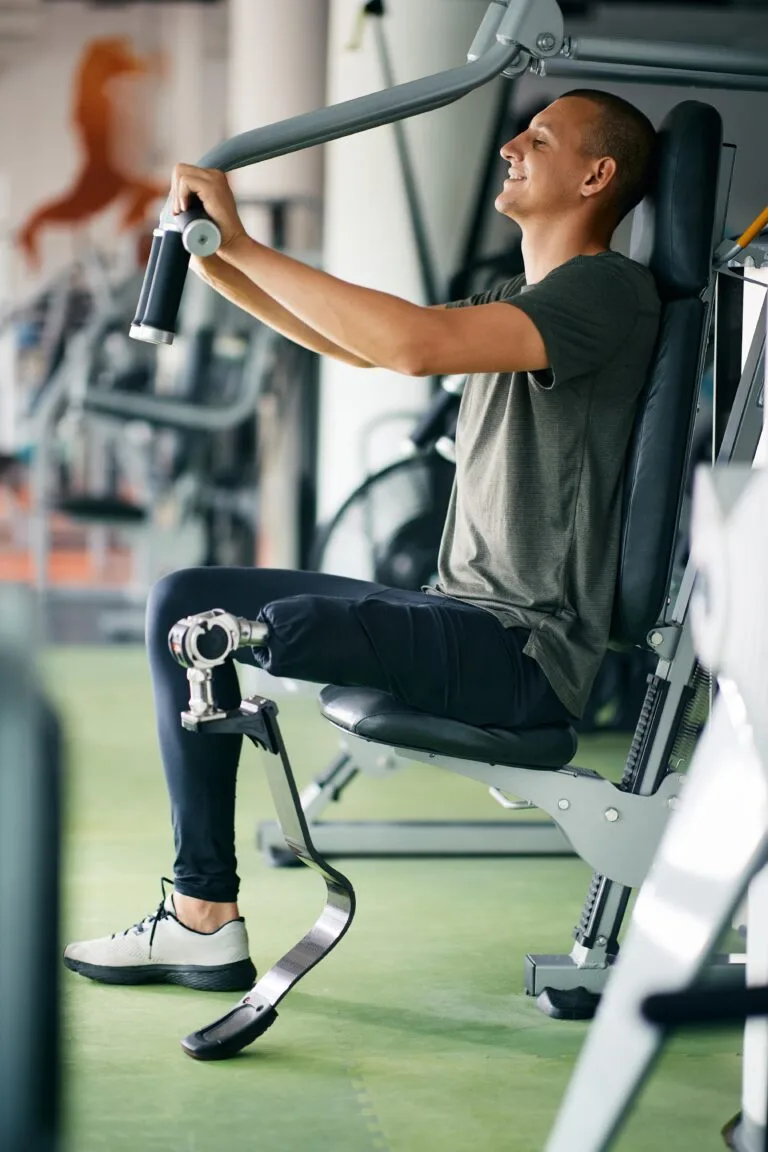
Rehabilitation support
We go beyond legal advice to support you, not just your case, making sure the right care and practical help are in place throughout the compensation claim process.
A message from our Rehabilitation and Wellbeing Team
We work alongside Fletchers Solicitors’ legal experts – listening carefully to your needs, helping you understand what support is available and creating a personalised recovery plan.
Led by rehabilitation manager Julie Chorlton, we bring together expertise across healthcare, therapy and welfare support, and can help arrange access to treatment and financial support. We also work with accredited mental health professionals, giving you and your family access to counselling quickly.
OUR REHABILITATION & WELLBEING TEAM



FAQs about brain injury claims
How long after a brain injury can I make a claim?
In most cases, you have three years from the date of the injury to make a claim. There are exceptions to this, such as if the injured person is a child or lacks capacity, so if you’re unsure, it’s worth speaking to someone for reassurance.
How long does a brain injury compensation claim take?
Every claim is different. Some are resolved relatively quickly, while others take longer to ensure your future needs are fully understood. What matters most is taking the time to get things right, without rushing you while you’re recovering.
How do I make a brain injury compensation claim?
Making a brain injury claim can feel overwhelming at first, but our team will guide you every step of the way. Our expert brain injury lawyers can help you understand the nuances of a serious brain injury claim and quickly determine if you have a case, getting your claim started as efficiently as possible.
Here’s what to expect when you contact our brain injury specialist solicitors.
Free, no-obligation consultation
Your first step is a private, no-obligation conversation with one of our brain injury solicitors. We’ll take the time to understand how the accident happened, the symptoms you or your loved one are experiencing, and how the injury is affecting daily life.
You don’t need to have all the answers or paperwork ready. This initial discussion is about listening, offering clarity, and helping you understand whether a brain injury claim may be possible – at a pace that feels right for you.
Case assessment
If it appears that you may have a valid claim, we’ll carry out a detailed assessment of your case. This involves reviewing how the accident occurred, who may be responsible, and the medical evidence relating to your brain injury.
We’ll explain the strengths of your case, any challenges to be aware of, and what a realistic path forward looks like. Our aim is to ensure you feel informed and confident before any decisions are made.
Evidence & investigation
Building a strong brain injury claim requires careful investigation. Our team will gather the evidence needed to support your case, which may include accident reports, witness statements, medical records, imaging results, and expert neurological opinions.
We’ll also look beyond the injury itself, documenting how it has affected your work, independence, relationships, and future needs. While we handle the legal and evidential work, we’ll guide you on anything helpful you can provide without placing unnecessary pressure on you or your family.
Negotiation & settlement
Most brain injury compensation claims are resolved through negotiation rather than court proceedings. Our solicitors will deal directly with insurers or opposing parties, pushing for a settlement that reflects the true, long-term impact of the injury – not just the immediate effects.
If a fair outcome cannot be reached through negotiation, we’ll discuss the option of court proceedings with you clearly and honestly. Should your case proceed, you’ll be fully supported and represented at every stage.
Compensation
Compensation following a brain injury is about securing stability and protection for the future. Where possible, we seek interim payments during the claim to fund rehabilitation, care, equipment, or adaptations before the case concludes.
We work closely with rehabilitation specialists, case managers, and support services to help ensure the right care is in place, both now and in the years to come. Our commitment doesn’t stop at settlement; we help you rebuild your life with confidence, dignity, and the right support.
What are some common scenarios where you can make a brain injury claim?
Traumatic brain injuries (TBIs) can occur in a wide range of situations, and their impact can be life-changing. Some of the most common causes include:
Road traffic accidents – including collisions involving cars, motorbikes, bicycles, and pedestrians
Workplace and military accidents – particularly in high-risk environments such as construction, manufacturing, or active service
Slips, trips, or falls – in public places, private properties, or at work
Sporting injuries – where organisers or coaches fail to provide proper safety equipment, medical supervision, or maintain a safe playing environment
Criminal assaults – in cases where a brain injury was sustained through violence, you may be eligible to claim through the Criminal Injuries Compensation Authority (CICA)
What are the three legal tests for successful brain injury claims?
To bring a successful brain injury claim, three key things must apply:
You were owed a duty of care – for example, by an employer, driver, or other responsible party.
That duty was breached – meaning the care or conduct you received fell below an acceptable standard.
The breach caused your brain injury – there must be a clear link between the negligence and the harm suffered.
To give your claim the highest chance of success, you should choose an experienced brain injury lawyer to represent you. At Fletchers, we will gather evidence, consult medical experts, and build the strongest possible case on your behalf.
Can family claim for a brain injury victim?
In some situations a family member can make a claim on behalf of someone with a brain injury. This is usually possible if the injured person is a child or does not have the mental capacity to manage a claim themselves. A family member can act for them and make decisions in their best interests.
What is the most serious type of brain injury?
Diffuse axonal injury is one of the most serious types of brain injury. This is where the brain is twisted or shaken inside the skull so much that the connecting fibres in the brain shear or tear. The larger the shears, the more intense your loss of function is. Diffuse axonal injuries are also hard to detect even on an MRI scan, as the tears are sometimes microscopic in size.
What qualifies as a traumatic brain injury?
A traumatic brain injury (TBI) is caused by an external force such as a blow, jolt, or bump to the head where the skull is pierced, which may lead to disruption in the normal function of the brain.
This can occur during accidents at work, road traffic incidents, falls, sports injuries, or assaults. Our team can help you with traumatic brain injury compensation claims.
Is there any support for families of brain injury patients?
Fletchers offers support for families of brain injury patients. We believe that a brain injury impacts many different people and are committed to providing the help you all need. We also partner with the brain injury organisation, Headway, who can further support individuals and families affected by brain injuries.


A national team, here when you need us
With offices across the UK, we’re never too far away, helping people access specialist advice and support wherever they are.
Securing interim payments is crucial. In Mark's case, without them, we wouldn't have been able to build the rehab package that he had. We wouldn't have been able to rent him the property that he needed, and he would still be in a position as he was at the beginning, living in a unsuitable home, not able to make a cup of tea.
I feel Fletchers did get the best possible result for me. It was more than I was expecting.
You’re in safe hands
-
THE TIMES BEST LAW FIRM
-
CHAMBERS TOP RANKED LAW FIRM
-
LEGAL 500 TOP TIER FIRM
-
ARMED FORCES COVENANT
-
AVMA - LAWYERS’ SERVICE MEMBER
-
HEADWAY ACCREDITED SOLICITORS
-
SIA - TRUSTED LEGAL PARTNER
-
CBIT - TRUSTED LEGAL PARTNER








Start your claim with confidence
Not sure where to start? We’ll listen, guide you, and give clear, honest advice on what to do next.