Can I make a medical negligence claim against Tees, Esk and Wear Valleys NHS Foundation Trust?

If you or someone close to you received mental health care from Tees, Esk and Wear Valleys NHS Foundation Trust and suffered harm, you may be wondering whether something went wrong. Find out when poor care could amount to medical negligence, what evidence may be needed and how our specialist team can help.
This article contains:
- What concerns have been raised about care at the Trust?
- When can mental health care amount to medical negligence?
- What if the Trust has already investigated what happened?
- What if I raised concerns about my loved one’s care?
- Can I make a claim if my loved one died while receiving care?
- Does the public inquiry affect my medical negligence claim?
- Can I make a claim if I don’t know exactly what went wrong?
- How can Fletchers help with a mental health negligence claim?
What concerns have been raised about care at the Trust?
You may have already seen reports about concerns with the services provided and be worried about your care or the care of a loved one. There has been a history of concerns about patient safety and the way the Trust responded when things went wrong. Previous investigations have raised questions about how the Trust assessed and managed risk, and how it investigated and learned from incidents.
Concerns have also been raised about leadership and governance, including whether the Trust acted on improvements identified in earlier reviews.
These issues are part of the wider background to the public inquiry due to take place. However, they do not, on their own, prove that someone was negligent in individual cases. If you’re worried about the care you or someone close to you received, the specific circumstances of that case still need to be looked at carefully.
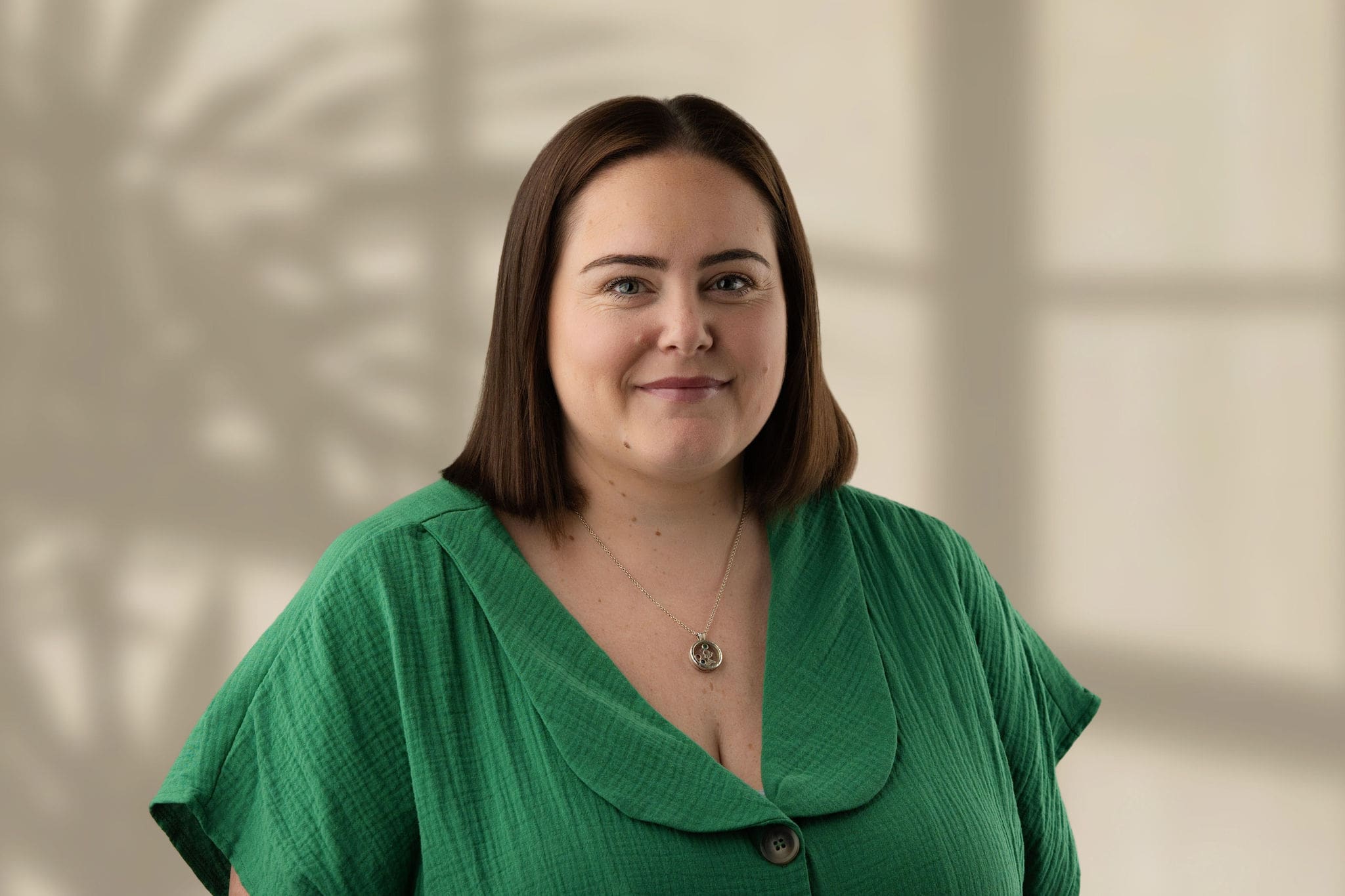
“We can assist families in exploring whether there may be grounds for a clinical negligence claim, ensuring that their experiences are heard, treated with care, and given proper consideration.”
Natalie Blunden
Associate & Team Leader
When can mental health care amount to medical negligence?
It can be particularly difficult to look back at someone’s mental health care and wonder whether warning signs were missed. You may remember things that concerned you at the time, but have no way of knowing whether healthcare professionals should have acted differently.
Mental health negligence can take different forms. For example, there may be concerns about whether someone’s risk of suicide or self-harm was properly assessed, or whether staff responded appropriately when their mental health deteriorated.
There may also be concerns about decisions made when someone was discharged from hospital or whether appropriate follow-up was arranged afterwards.
Not every poor outcome means that someone was negligent. Through a claim, an independent medical expert can assess the care provided and whether it met the expected standard of care.
What if the Trust has already investigated what happened?
Is a trust investigation the same as a legal claim?
You may already have spent a long time asking the Trust for answers. If you’ve received an investigation report, you may wonder whether there’s anything more that can be done.
A Trust investigation isn’t the same as a medical negligence investigation. An internal review can provide important information about what happened, but it doesn’t determine whether you have a legal claim.
What happens when investigating a claim?
When investigating a potential claim, we look at the available evidence alongside your loved one’s medical records. Where appropriate, we can also obtain independent medical evidence to help establish whether the care fell below the required standard.
What if the trust has already investigated?
You may feel that an investigation has already been through everything that happened. However, there may still be questions about the individual care your loved one received and whether any failings caused their injury or death.
What if I raised concerns about my loved one's care?
It can be incredibly upsetting to feel that you tried to tell healthcare professionals something was wrong but weren’t listened to. If you told staff that you were worried about your loved one’s mental health or safety, you may now be wondering whether those concerns should have changed the care they received.
Family members can sometimes notice changes that aren’t immediately clear during a clinical assessment. The information you gave to healthcare professionals may therefore be important when looking at what happened.
We’ll look at what concerns you raised, who you spoke to, and how staff responded, including what information they had available at the time.
Can I make a claim if my loved one died while receiving care?
Losing someone close to you can leave you with difficult questions that may not have easy answers. You may find yourself going over what happened and wondering whether more could have been done to keep them safe. If you believe that something went wrong with their care, it may be possible to investigate whether negligence contributed to their death.
If you’ve lost someone while they were receiving care from TEWV, you don’t have to know the answers before speaking to us.
Does the public inquiry affect my medical negligence claim?
If you’re concerned about the care you or someone close to you received, you may be wondering whether the public inquiry means you should wait before taking any action.
You don’t need to have all the answers about what happened before asking for the care to be investigated. A medical negligence investigation looks at the circumstances of an individual patient’s care, including what happened and whether anything should have been done differently.
The public inquiry may provide important information about the wider issues within the Trust. However, its findings won’t determine whether there was negligence in every individual case. That still needs to be considered on the evidence relating to the patient involved.
If you’ve already raised concerns with the Trust, received an investigation report or are considering making a claim. We can obtain your loved one’s medical records, arrange independent medical evidence, and explain what the evidence means for a possible claim.
Can I make a claim if I don't know exactly what went wrong?
It can be hard to contact a solicitor when you don’t know what you’re looking for. You may simply have a feeling that something wasn’t right or that the explanation you’ve been given doesn’t answer all your questions. You don’t have to identify the medical error yourself.
Our role is to investigate what happened and explain what the evidence means. We can help you understand whether the care your loved one received should have been different and whether that may have affected the outcome.
Sometimes an investigation will show that the care was appropriate. If that’s the case, we’ll explain why. If the evidence raises concerns, we’ll explain what those concerns mean and discuss the options available to you.
How can Fletchers help with a mental health negligence claim?
You might be thinking about speaking to a solicitor but feel unsure about what happens next. You could also be worried that you won’t be believed or that starting a claim will make an already difficult situation harder.
You don’t need to know whether the Trust was negligent before you contact us. Our medical negligence team can listen to what happened and help you understand whether there may be grounds for a claim. We can obtain the relevant medical records and arrange independent medical evidence where needed.
Natalie Blunden, Associate & Team Leader in our medical negligence team shares “I welcome the establishment of a statutory public inquiry into the deaths of mental health patients at Tees, Esk and Wear Valleys NHS Foundation Trust, following the sustained efforts of bereaved families seeking answers and accountability. If you or a family member have concerns or unanswered questions about the care provided by the Trust, my colleagues and I are here to listen, support you, and help you understand your options. We can assist families in exploring whether there may be grounds for a clinical negligence claim, ensuring that their experiences are heard, treated with care, and given proper consideration. If you would like to discuss your concerns in confidence, or learn more about how we may be able to support you, please get in touch.”
We understand that bringing a claim after someone has suffered serious harm or died can feel like a big step. You may simply want answers about what happened and whether more could have been done. If you have concerns about the mental health care you or someone close to you received from Tees, Esk and Wear Valleys NHS Foundation Trust, speak to us today. We offer no win, no fee agreements, so there’s no financial risk in finding out where you stand.




A national team, here when you need us
With offices across the UK, we’re never too far away, helping people access specialist advice and support wherever they are.
You're in safe hands
-

THE TIMES BEST LAW FIRM
-
CHAMBERS TOP RANKED LAW FIRM
-
LEGAL 500 TOP TIER FIRM
-
ARMED FORCES COVENANT
-
AVMA - LAWYERS’ SERVICE MEMBER
-
HEADWAY ACCREDITED SOLICITORS
-
SIA - TRUSTED LEGAL PARTNER
-
CBIT - TRUSTED LEGAL PARTNER







Start your claim with confidence
Not sure where to start? We’ll listen, guide you, and give clear, honest advice on what to do next.