What are interim payments and rehabilitation in personal injury claims?

Following a serious injury or bereavement, financial worries and concerns about recovery can place additional pressure on an already difficult situation. This guide explains how interim payments and rehabilitation can help people access support, regain independence and focus on their recovery.
In this guide we discuss:
- What interim payments are
- How interim payments can help after a serious injury
- What rehabilitation means in a personal injury claim
- How rehabilitation can support recovery and independence
Support during a personal injury claim
Interim payments and rehabilitation can provide valuable support following a serious injury. While compensation claims can take time to resolve, these measures can help people access financial assistance, treatment and rehabilitation when they need it most.
Key information
- Interim payments Financial support before a claim settles
- Early rehabilitation Support recovery as soon as possible
- Focus on independence Helping people regain confidence and routine
What are interim payments after a serious injury?
An interim payment is an upfront payment by a defendant, usually through their insurance company, which is then set off against the final payment of a claim.
An insurance company will often agree to make an interim payment where it believes it is likely to admit fault in full or part of the claim, and where the interim payment is unlikely to exceed the final value of the claim.
Interim payments can provide practical financial support at a time when it may be needed most.
For example, an injured person may have suffered a serious injury that prevents them from returning to work. As a result, they may not continue to receive their usual income and could struggle to meet everyday expenses such as mortgage payments or food costs. An interim payment may help cover these costs while the claim progresses.
Interim payments can also provide support in other difficult circumstances. Where a family has been bereaved, the cost of a funeral can be significant, and insurance companies will often make an upfront interim payment to help meet those costs.
What is rehabilitation after a serious injury?
Where a person is seriously injured, the initial phase of treatment immediately after the incident is almost always provided by the NHS.
However, challenges can arise once that acute treatment has been completed and the injured person is preparing to return home.
Many people worry about how they will cope after leaving hospital, particularly where they have suffered a serious injury. They may live alone, face difficulties accessing parts of their home, or require ongoing treatment and support.
Under the Rehabilitation Code 2015, a solicitor can approach the other party’s insurer to ask whether they will fund the appointment of a rehabilitation case manager.
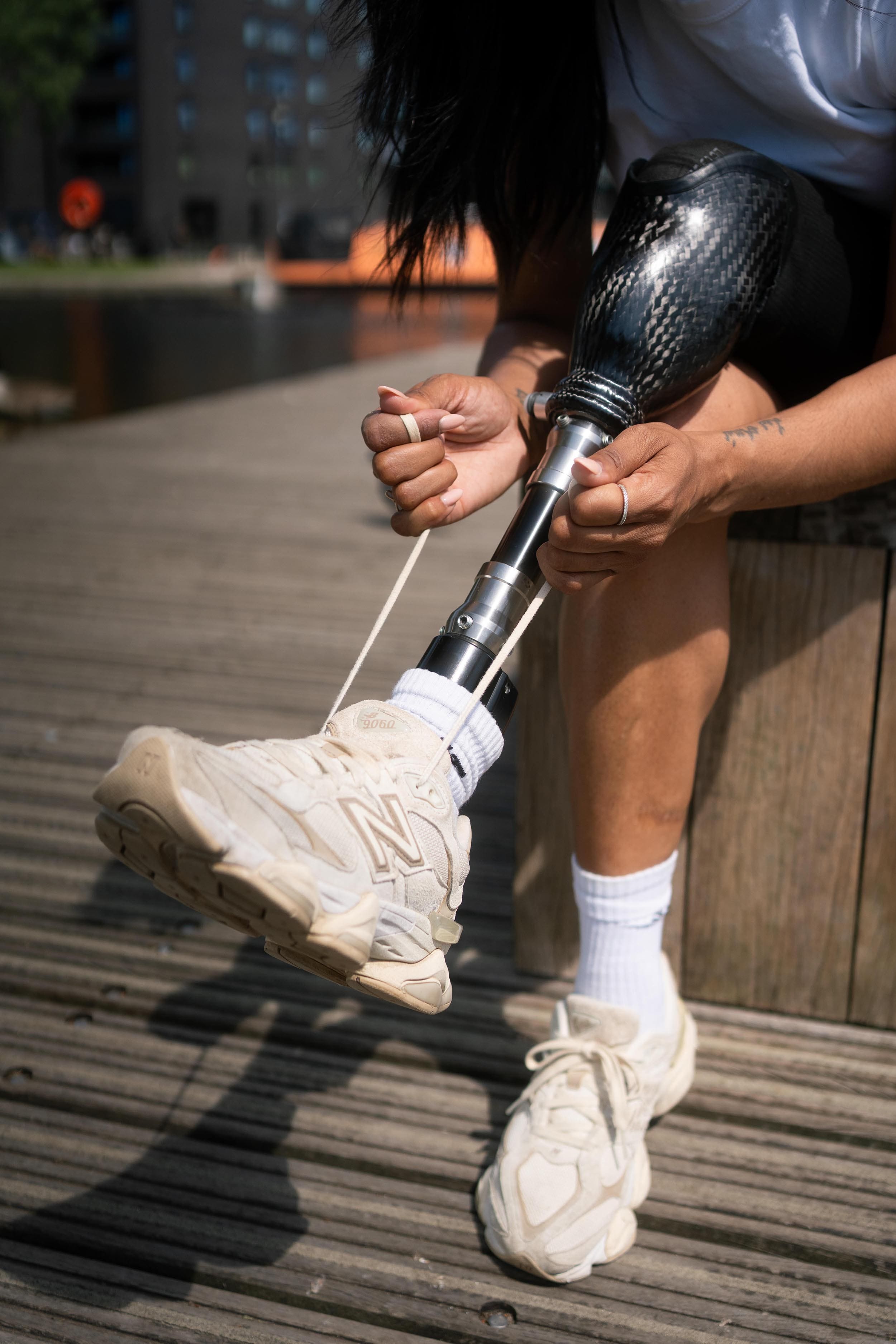
The case manager can assess the injured person’s immediate needs and prepare recommendations. The insurer may then provide further funding to implement those recommendations. This may include managing a person’s discharge home and supporting their ongoing rehabilitation for an agreed period.
Learn more about our commitment to supporting recovery through our Recover. Rebuild. Thrive. approach.


Recovery beyond compensation
While the outcome of a personal injury claim is often a financial settlement, the role of a solicitor extends beyond securing compensation alone.
As Matthew Claxson explains, the aim is to support an injured person to regain as much independence as possible and help return them, as far as they can be, to the position they would have been in had the incident not happened.
Interim payments and rehabilitation both work towards that goal.
Interim payments and rehabilitation help put injured people back on the road to recovery as soon as possible.
How Fletchers can help
At Fletchers, we understand that recovery after a serious injury involves much more than a legal claim. Access to rehabilitation, practical support and financial assistance can all play an important role in helping people move forward.
Our serious injury team works to secure the support people need as early as possible, helping them focus on their recovery and independence while their claim progresses.




A national team, here when you need us
With offices across the UK, we’re never too far away, helping people access specialist advice and support wherever they are.
You're in safe hands
-

THE TIMES BEST LAW FIRM
-
CHAMBERS TOP RANKED LAW FIRM
-
LEGAL 500 TOP TIER FIRM
-
ARMED FORCES COVENANT
-
AVMA - LAWYERS’ SERVICE MEMBER
-
HEADWAY ACCREDITED SOLICITORS
-
SIA - TRUSTED LEGAL PARTNER
-
CBIT - TRUSTED LEGAL PARTNER









Start your claim with confidence
Not sure where to start? We’ll listen, guide you, and give clear, honest advice on what to do next.