Let’s talk about sex and the complexities that may arise following a traumatic brain injury

Sex and relationships after a traumatic brain injury
A traumatic brain injury can affect many aspects of a person's life, including their sexuality, sexual behaviour and relationships. These changes can be difficult to understand and discuss, both for the person with the injury and those closest to them.
What this guide covers:
- How a traumatic brain injury can affect sexuality and sexual behaviour
- The impact of these changes on existing and new relationships
- Why inappropriate sexual behaviour can occur after a brain injury
- The professional support available to people with brain injuries and their partners
How can a traumatic brain injury affect sexuality?
A traumatic brain injury can cause physical, cognitive, emotional and behavioural changes. These can affect how someone experiences and expresses their sexuality, sometimes changing an important part of their personal life and relationships.
The effects can vary considerably. Some people may experience a reduced interest in sex or difficulties with sexual function. Others may find that their behaviour, confidence or ability to communicate has changed.
These difficulties can affect both the person living with a brain injury and their partner. Understanding the possible changes is an important part of recognising the challenges they may face.
Key things to consider
- Changes in sexual behaviour affecting desire, function and confidence
- Reduced inhibition leading to difficulties controlling behaviour
- Professional support specialists are there to support
What changes in sexual behaviour can happen after a brain injury?
Sexuality involves more than physical sexual activity. It can also affect how someone feels about themselves, communicates with others and experiences intimacy.
Following a traumatic brain injury, changes in physical, emotional and behavioural functioning can create difficulties in these areas.
Some people may experience changes in sexual desire or sexual function. Others may find that their confidence, communication or understanding of their sexual identity has been affected.
Common changes in sexuality and sexual behaviour
Changes following a traumatic brain injury can include:
- Loss of libido: A reduced interest in or desire for sexual activity.
- Difficulty reaching orgasm: Problems achieving orgasm during sexual activity.
- Erectile problems: Difficulties with erectile function.
- Reduced sexual activity: Having sex less frequently than before the injury.
- Reduced inhibition: Difficulty controlling sexual behaviour or recognising when behaviour is inappropriate.
- Communication difficulties: Problems communicating with a partner, which can affect sexual relationships.
- Loss of self-esteem: Reduced confidence that may affect how someone feels about themselves and their sexuality.
- Confusion about sexual identity: Changes or uncertainty in how someone understands their sexual identity.
Not everyone will experience the same difficulties. The important consideration is how these changes affect the individual and their relationships.
How can a traumatic brain injury affect relationships?
Changes in sexuality and sexual behaviour can place considerable strain on relationships. Both the person with the brain injury and their partner may find themselves dealing with difficulties that were not present before the injury.
Physical changes can affect sexual intimacy, while emotional and behavioural difficulties may influence how partners communicate and relate to one another.
A loss of confidence or changes in sexual desire can also affect how someone feels about their relationship.
These challenges can make maintaining an existing relationship more difficult. They may also affect a person’s ability to form new relationships.
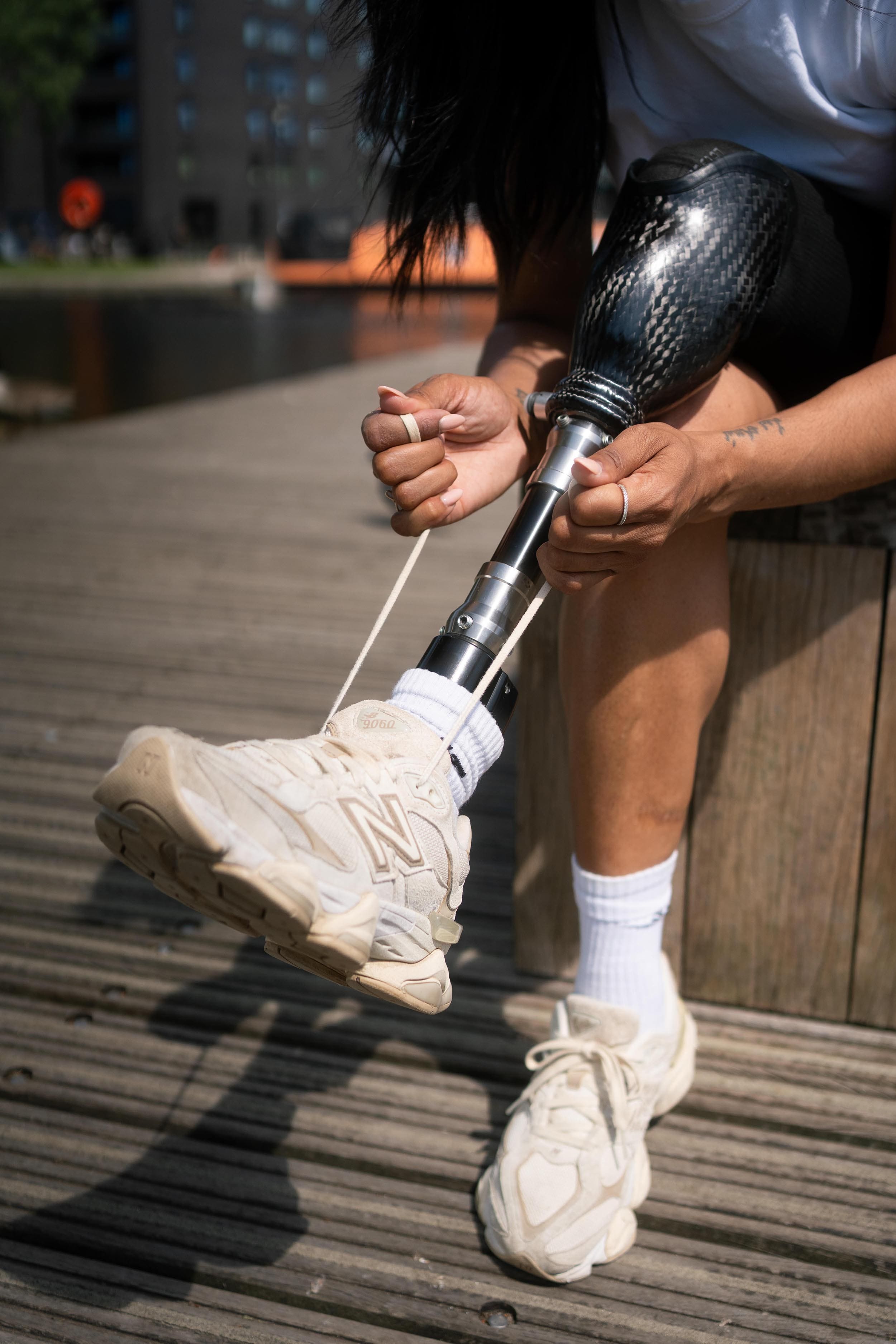


Forming new relationships after a brain injury
For someone living with a traumatic brain injury, developing new relationships can present additional challenges.
Communication difficulties, changes in confidence and uncertainty about sexuality may all affect how someone approaches a potential relationship.
Dating apps can create further difficulties because communicating through these platforms is different from interacting with someone in person.
Recognising these challenges can help people better understand why relationships may feel different following a brain injury.
Why can inappropriate sexual behaviour occur after a traumatic brain injury?
Some people experience changes in their ability to control or recognise inappropriate sexual behaviour following a traumatic brain injury.
An important distinction is that this behaviour does not necessarily mean the person has an increased sexual drive.
Instead, it may be linked to reduced inhibition. This means the person can have difficulty controlling their behaviour or recognising the social boundaries that would usually influence how they act.
They may also have reduced awareness of their own behaviour or difficulty understanding accepted social conventions.
As a result, someone may behave sexually at an inappropriate time, in an unsuitable place or towards another person who does not welcome that behaviour.
Examples of inappropriate sexual behaviour
Inappropriate sexual behaviour following a traumatic brain injury can include:
- Unwanted sexual propositions: Making sexual advances towards someone who does not welcome them.
- Public exposure or masturbation: Engaging in sexual behaviour in places where it is inappropriate.
- Sexual assault: Sexual behaviour involving another person without their consent.
These behaviours can be distressing for the people affected, including family members, friends and others.
Understanding that reduced inhibition or awareness may contribute to this behaviour is important. However, it does not remove the impact that inappropriate sexual behaviour can have on other people.
How does reduced inhibition affect sexual behaviour?
Inhibition is the ability to control behaviour in response to a situation. Following a traumatic brain injury, some people may experience difficulties with this ability.
They may struggle to recognise when sexual behaviour is inappropriate or understand how their actions affect the people around them.
For example, someone may not appreciate that their behaviour is making another person feel uncomfortable or threatened.
They may also have difficulty recognising the social expectations that would usually guide their behaviour.
This reduced awareness can be particularly challenging for partners, family members and friends who are trying to understand changes in the person’s behaviour.
It is important to distinguish between increased sexual desire and difficulty controlling sexual behaviour. These are not necessarily the same thing, and understanding the difference can help explain some of the challenges that arise after a brain injury.
What professional support is available for sexual difficulties after a brain injury?
Sexual difficulties following a traumatic brain injury can be deeply personal. Some people may feel embarrassed or uncomfortable discussing changes in their sexuality, sexual function or behaviour.
However, sexuality is a natural and important part of life. Difficulties in this area deserve the same understanding and attention as other changes following a brain injury.
Several professionals can provide support to people living with these difficulties and their sexual partners.
Professionals who can help:
Your GP
A GP is one of the healthcare professionals you can approach to discuss concerns about sexual difficulties following a brain injury.
Clinical neuropsychologists
Clinical neuropsychologists are among the professionals who can provide support for difficulties associated with a brain injury, including changes affecting sexuality and behaviour.
Psychosexual counsellors
Psychosexual counsellors can provide support for concerns relating to sexuality and sexual relationships.
Sex therapists
Sex therapists can help people experiencing difficulties relating to sexual activity and sexual relationships.
Support is not limited to the person who has sustained the brain injury. Their partner may also benefit from professional help in understanding and managing the changes they are experiencing together.
Why is support for partners and families important?
A traumatic brain injury can affect more than the individual who has been injured. Changes in sexual behaviour, intimacy and communication can also have a significant impact on partners and family members.
Partners may find that their relationship has changed in ways they did not expect. They may experience difficulties maintaining intimacy or communicating about sensitive issues.
Family members and friends may also struggle to understand behaviour that seems inappropriate or very different from the person’s behaviour before their injury.
These experiences can be uncomfortable and distressing, particularly when changes in behaviour are linked to reduced awareness or inhibition.
Building a supportive team around the person with the brain injury can help both them and their family navigate these difficulties.
Professional support can provide an important source of help when dealing with changes that may otherwise feel difficult to discuss.
Understanding sexuality and relationships after a brain injury
Sexuality and relationships are important parts of life, but they can be affected in complex ways by a traumatic brain injury.
Changes in sexual desire, physical function, confidence, communication and behaviour can create difficulties for the person with the injury and those closest to them.
Some changes may be particularly challenging to understand, especially when reduced inhibition leads to inappropriate sexual behaviour.
Recognising these difficulties and understanding the possible reasons behind them can help people approach the subject with greater awareness.
Sexual concerns should not be overlooked simply because they are difficult to talk about. A supportive team of professionals can help people with brain injuries and their partners address these sensitive issues.
If you or someone close to you is experiencing changes in sexuality or sexual behaviour following a traumatic brain injury, speaking to your GP or an appropriate specialist can be an important next step.




A national team, here when you need us
With offices across the UK, we’re never too far away, helping people access specialist advice and support wherever they are.
You're in safe hands
-

THE TIMES BEST LAW FIRM
-

CHAMBERS TOP RANKED LAW FIRM
-

LEGAL 500 TOP TIER FIRM
-

ARMED FORCES COVENANT
-

AVMA - LAWYERS’ SERVICE MEMBER
-
HEADWAY ACCREDITED SOLICITORS
-

SIA - TRUSTED LEGAL PARTNER
-
CBIT - TRUSTED LEGAL PARTNER


Start your claim with confidence
Not sure where to start? We’ll listen, guide you, and give clear, honest advice on what to do next.