Same face, different life: The reality of a brain injury

Expert support for life-changing injury – focused on recovery today, independence tomorrow, and a future you can live well
Through our work we know that recognising the full impact of a brain injury means looking beyond first impressions.
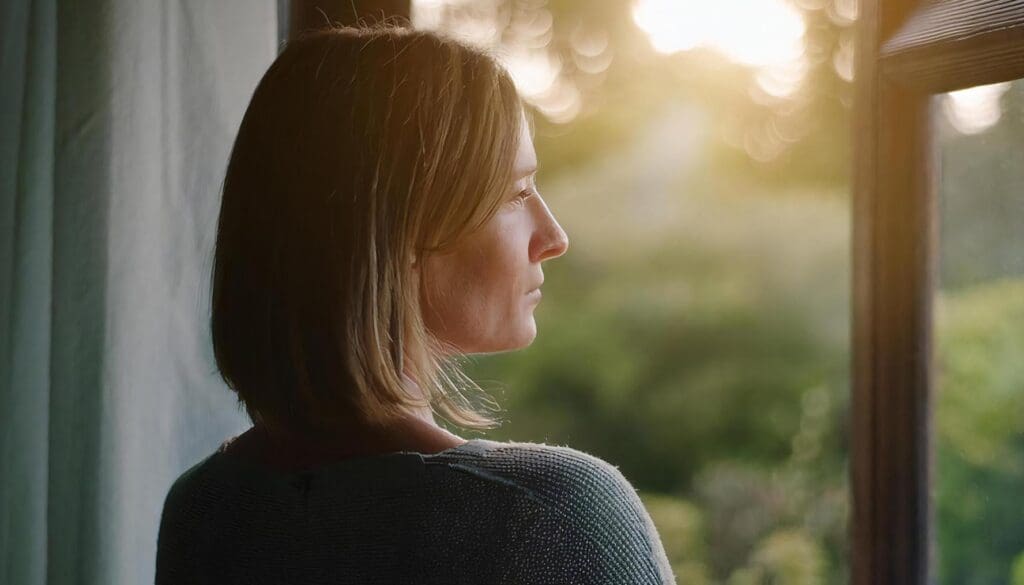
Initially there may be no obvious signs that anything has changed. But many of our clients tell us that after a brain injury, life can feel completely different, even when they look the same on the outside.
At Fletchers, we see those unseen changes. We know that a brain injury can affect how someone thinks, feels, works and lives. We know that serious personal injury claims exist to support people whose lives have changed in ways that aren’t always visible.
In this guide we discuss:
- Why brain injuries are not always visible
- The physical effects that may accompany a brain injury
- Life with an invisible disability
- What brain injury compensation is designed to provide
- How Fletchers supports people to recover, rebuild and thrive
Brain injury symptoms that aren’t always visible
Brain injuries are often described as “invisible injuries”. On the outside, someone may appear physically unchanged. However, survivors of brain injuries are facing real, lasting challenges, even if these challenges cannot be seen.
Just some of the ways an invisible injury can affect daily life include:
- Difficulty processing information
- Struggling to keep up with conversations
- Memory and concentration challenges
- Persistent fatigue that doesn’t improve with rest
- Changes to their mood
- Shift in personality
These challenges can affect a person’s work, relationships, day-to-day life, and how others perceive them compared to who they were before the injury. Because the effects are not always visibly obvious to those around them, someone may be assumed to be “back to normal.” This can leave individuals feeling misunderstood and isolated, further exuberating their struggles.
Those with a brain injury face huge adjustments to the life they once knew. Recovery and rehabilitation are ongoing processes. It is vital for people living with a brain injury to have supportive legal representation and treatment providers who listen and recognise these challenges.
Can a brain injury have physical effects?
Yes, brain injuries can also present with physical consequences. People may experience difficulties with their movements, coordination and speech.
While some physical effects of a brain injury can be visible, they are often subtle compared to other serious injuries. For example, someone may walk independently, but their walking speed may be slower than before and they may be more vulnerable to falls. This can mean that hobbies they once enjoyed, such as going to the gym, or practising a particular sport, may become harder or no longer possible.
What life with a brain injury is like
For many of our clients, we hear that the hardest part of a brain injury is the shift in identity. Physically, they may look like the same person, but internally their life is now unrecognisable.
You can’t see a brain injury, from the outside, someone living with a brain injury may appear physically unharmed, walk unaided, speak clearly, travel independently, take part in sport, even return to work. To others, they may appear completely “normal,” and their challenges may go unrecognised. But invisible does not mean imaginary. Internally that same person can be battling daily challenges with their long-term mobility, memory, overwhelming fatigue and everyday self-care tasks that are hidden from view.
What they do not see:
- Persistent headaches
- The need to relearn basic skills
- Memory gaps
- Confusion or slowed thought processing
- Exhaustion
- Changes in personality or behaviour
- The effort it takes to complete ordinary daily tasks
Because these impacts aren’t always visible, the world may not immediately recognise the depth of their struggles. Without visible signs of injury, brain injury survivors may not receive the patience and compassion they need.
Many of our clients have described a sense of grief for the person they once were, whilst trying to reconstruct who they are post-injury. They may see themselves looking the same as before their injury, whilst navigating the challenges that shape every part of their day, from home life and work to supermarket visits, managing everyday responsibilities, and maintaining friendships.
At Fletchers, we believe it is important to talk about the invisible impact of brain injuries. When the effects are not visible, they can be misunderstood or minimised. Recognising the hidden consequences of a brain injury helps ensure individuals receive the understanding and legal support they need to move forward with confidence.
Life with a brain injury through the experiences of our clients
Janice’s Story: Living with a brain injury.
Janice’s life changed dramatically after a motorcycle accident that left her with a serious traumatic brain injury. On the outside, she appeared well, but she struggled with memory, following conversations, and even watching simple television programs. Everyday tasks became overwhelming, and she faced new fears about her environment.
With time, Janice gradually rebuilt her confidence. Support from our legal team, her family, rehabilitation activities such as ballroom dancing to improve balance, and her beloved pets all played an important role in rebuilding her life.
Mark’s Story: Life after a traumatic brain injury
Mark suffered a severe traumatic brain injury in a road traffic accident.
On the outside, his injuries appeared limited to cuts and bruises, but the brain injury was so serious that he temporarily lacked the capacity to make decisions about his property and affairs. The accident also left him with memory lapses, difficulty walking, and challenges managing daily tasks. He was unable to shop for food, cook a meal, or even make a cup of tea, his persistent exhaustion meant that even small activities could leave him drained for hours.
Determined to regain his independence, Mark followed a tailored rehabilitation package with support from Fletchers. Interim payments from his claim allowed him to receive neurophysiotherapy, occupational therapy, speech and language therapy, and dedicated support.
Mark’s incredible determination, combined with early rehabilitation and Fletchers’ legal guidance, enabled him to regain capacity in 2021, a truly remarkable achievement. He now lives in a purpose-designed home, enjoys time with his daughter and continues to pursue activities he loves, including golf.
“To see Mark where he is today feels incredible. Being part of that journey and helping him access the support he needed has been truly rewarding.”
Emily Meadow – Chartered Legal Executive specialising in private client
Why brain injuries are treated as serious injuries in personal injury claims
A serious injury claim is not just about how severe it appears at first, it also considers the wider, long-term impact on the individual, including:
- The effect on daily living and quality of life
- The ability to work and earn
- The need for rehabilitation or any ongoing care
- The impact on independence
A brain injury can affect every one of these areas, completely changing a person’s life, and this is why these injuries are treated with the seriousness they deserve.
How a brain injury is assessed in a serious injury claim
Many clients understandably worry that if their injury is “invisible,” it may not be fully recognised. In reality though, a serious injury claim considers much more than what is immediately visible. A brain injury claim will typically build a comprehensive picture of both the current and future impact of the injury, using:
- Detailed medical evidence
- Independent expert reports
- Evaluation of how the injury has disrupted daily life
- Neuropsychological assessments
- Statements from the individual and those close to them
- Consideration of consequences over time
What brain injury compensation is really for
Compensation is sometimes misunderstood. It is not simply a payout or a way to place a value on someone’s suffering. The focus should always be on supporting a future of stability, independence, and practical help, not just resolving a legal case.
At Fletchers, our brain injury solicitors advocate for clients to support life beyond the claim. Compensation exists to help people recover as fully as possible, rebuild their lives, and plan for the future.
Depending on the individual’s needs, brain injury compensation may cover:
- Specialist rehabilitation and therapy, both now and in the future
- Adaptations at home or assistance with a new home that is better suited to the person’s needs
- Help with daily living
- Long-term care planning
Our approach is a collaborative one between solicitors, medical specialists and rehabilitation experts, ensuring that your recovery is prioritised from the earliest stages of a claim.
We have seen how accessing the right rehabilitation and wellbeing support early can make a meaningful difference in someone’s recovery and quality of life. That is why we work not only to secure compensation, but to support clients in accessing specialist care, therapy and personalised rehabilitation plans that reflect their individual needs.
Meet our specialist brain injury lawyers
Our team specialises in serious personal injury claims, including complex brain injury cases. Client care is at the forefront of everything they do, ensuring that people living with brain injuries have secure the rehabilitation, care, financial support, and long-term independence they and their families need.
Julia Eyton: Partner and Team Leader with over 20 years’ experience handling complex brain injury and serious personal injury claims. Julia has secured many multi-million-pound settlements. She is passionate about helping clients rebuild their lives after life-changing injuries.
In one notable case, a client suffered a severe traumatic brain injury following a motorcycle accident and required 24/7 care. The case was highly complex, involving 44 medical experts and careful management because the client did not have capacity to make decisions. The injuries had also drastically reduced the client’s life expectancy. Julia successfully negotiated a settlement of £10 million, reflecting the serious and lasting impact of the injuries.
Siobhan Thacker: Partner and solicitor accredited in serious personal injury law, with a specialist focus on brain injuries and long-term rehabilitation planning. Siobhan has secured over £50 million in compensation for her clients and is known for her dedication to client care, helping people rebuild their lives after serious injury. She also works closely with charities supporting victims of road collisions and brain injury.
Chris McKinney: Partner specialising in serious injury claims, with extensive experience supporting clients with traumatic brain injuries. He is highly regarded in the legal community, ranked by Chambers and recommended by the Legal 500. Known by clients for his compassionate and hands-on approach, He is also a panel member at our partner brain injury charity Headway, as well as being a trustee and company secretary for Headway Leicester, Leicestershire, and Rutland.
Ben Priestley: Partner and serious injury solicitor with over 20 years’ experience in complex brain injury claims. Ben has handled many of the firm’s highest-value cases, achieving multi-million-pound settlements. He is also a panel solicitor for our charity partner, Headway.
Building a new life after a brain injury
Life will be different after a brain injury, but with the right legal support, rehabilitation and long-term planning, many people find new ways to rebuild confidence and stability.
If you or someone close to you is living with the invisible impact of a brain injury, specialist legal advice can help you access the support you deserve and need. Speak to our serious injury team to explore how we can help you recover, rebuild, and thrive.
At Fletchers we see you.
Our awards
-

THE TIMES BEST LAW FIRM
-
CHAMBERS TOP RANKED LAW FIRM
-
LEGAL 500 TOP TIER FIRM
-
ARMED FORCES COVENANT
-
AVMA - LAWYERS’ SERVICE MEMBER
-
HEADWAY ACCREDITED SOLICITORS
-
SIA - TRUSTED LEGAL PARTNER
-
CBIT - TRUSTED LEGAL PARTNER










Start your claim with confidence
Not sure where to start? We’ll listen, guide you, and give clear, honest advice on what to do next.