
SERIOUS INJURY

What support might be needed after a serious injury?

It’s hard to imagine the full effects of sustaining a serious injury and the sudden changes this can bring to someone’s life. A serious injury caused by a collision can affect every aspect of daily living, sometimes making even small, routine tasks feel challenging or exhausting.

What we will cover in this guide:
  • What is a serious injury
  • Types of medical and rehabilitation support
  • Types of psychological and emotional support
  • Potential adaptations to the home and daily life
  • Financial and practical support after a serious injury
  • Support with returning to work, education, and hobbies
  • How a serious injury lawyer can help you
  • Real client experiences

The impact often goes far beyond the injury itself. Independence may be reduced, making routine tasks feel dauting. Roles within the family can also change, as certain individuals step into caretaker roles, which might be unusual for them. As a result, plans for the future may no longer feel certain. This can be a difficult and emotional time, not just for the injured person, but also for the family members who are supporting them and trying to adjust to a new reality.

This guide has been written under the guidance of experienced serious injury solicitors at Fletchers, who work closely with people affected by life changing injuries. They understand that support is not just about making a legal claim, but about helping people access the right care at the right time, which includes rehabilitation and appropriate practical assistance to begin rebuilding their lives.

Getting tailored support in place at an early stage can make a real difference to recovery and independence after a serious injury. When life changes suddenly, nothing can truly prepare you for what follows, but the right support can help people feel less alone as they begin to adapt to life after a serious injury.
What is considered a serious injury?

serious or catastrophic injury is usually defined as one that brings life‑altering changes and significantly impacts a person’s everyday life. This can include permanent disability or long-term mobility challenges, affecting a person’s ability to live independently, communicate, work, and carry out normal daily routines that most of us do not even think about.

Serious injuries can result from many different types of collisions, including car collisionsmotorbike collisionsincidents at work and incidents abroad.

The types of injuries that can be classified as serious include:

These injuries often require years of ongoing treatment and support, including rehabilitation courses, occupational and physical therapy, psychotherapy, and, in the most severe cases, home and vehicle adaptations.

The severity of a serious injury is usually assessed by the expected recovery, the level of care required, and the long-term impact on daily life. Catastrophic injuries, such as amputationsspinal cord injuries, and brain injuries, often require lifelong support, which may change as a person’s needs evolve.

Access to the right catastrophic injury support is essential to maintaining an individual’s quality of life. Seeking legal help from a serious injury solicitor can also provide access to early interim payments, which can fund private therapies and home adaptations to help a person return to their home.

Immediate support needs after a serious injury

Through our clients’ experiences, we have seen how the first days and weeks after a serious injury are critical. The speed and quality of medical care can have a significant impact on recovery and long-term outcomes. Early support often includes:

  • Immediate medical care and stabilisation – ensuring prompt hospital treatment, tests, and monitoring to manage life-threatening conditions and prevent complications.
  • Early rehabilitation and hospital discharge planning – accessing services such as physiotherapy, occupational therapy, pain management, and psychological support can help with adjusting to changes in mobility, independence, and daily routines. NHS referrals can provide additional support, but for some, private healthcare may allow faster access to these services without a wait.
  • Legal and financial support – An experienced serious injury solicitor can assess whether you are entitled to compensation, help secure interim payments for privately funded therapies, home adaptations, or equipment, and advise on welfare benefits to ease financial pressures and support your recovery.

At Fletchers, this support is strengthened by our dedicated Rehabilitation and Wellbeing Team, who work alongside our solicitors to help put the right care, therapies, and emotional support in place as early as possible. Starting the process early can help you access the right support plan sooner.

Real experience

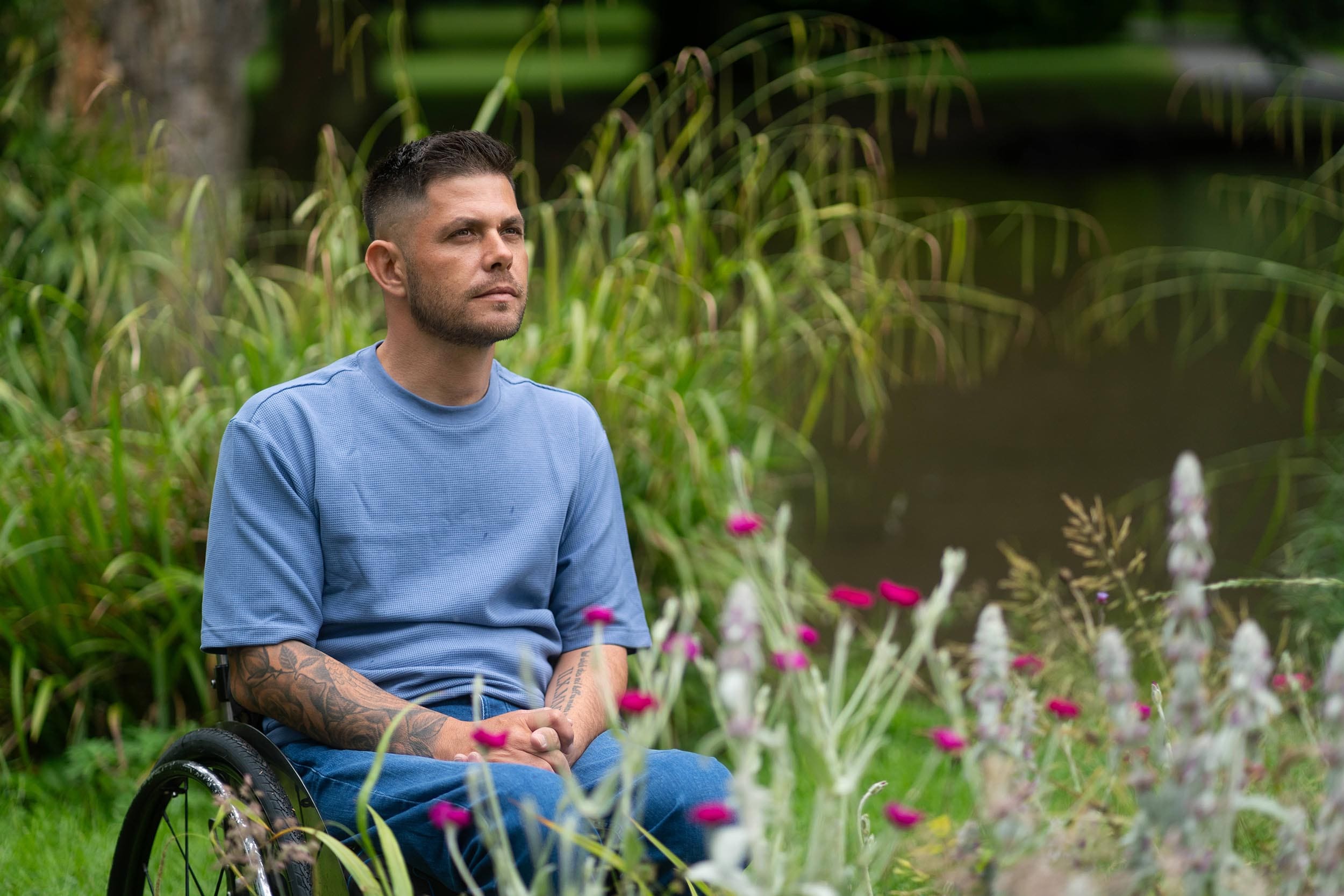
Mark’s story – rebuilding life after a devastating collision

Mark was involved in a catastrophic road collision that resulted in a serious brain injury. With ongoing care, rehabilitation and support, he has worked hard to adapt, rebuild his life and retain his independence. His amazing story shows how ongoing support can make a meaningful difference to quality of life over time.

Watch Mark’s story here

Medical and rehabilitation support after serious injury

Support for those impacted by a serious injury does not end with the initial treatment period. Ongoing, and in some cases lifelong care is often part of their reality. This support will be shaped by the nature of their injury and how it is expected to affect their future.

Accessing appropriate rehabilitation at an early stage can make a huge difference to recovery and learning to cope with the effects of a serious injury. This is where legal representation can help individuals affected by a serious injury. Interim payments secured through a solicitor can help fund private rehabilitation, therapy, and specialist support while a legal claim progresses.

At Fletchers, our expert serious injury solicitors work alongside a dedicated Rehabilitation and Wellbeing Team and medical professionals to help identify appropriate rehabilitation, wellbeing support, and practical assistance at an early stage. This collaborative approach helps ensure that care and therapy are based on individual needs and professional recommendations.

Care and assistance in daily life after a life-changing injury

Through our work, we have seen that after a serious injury, support with everyday living can become essential.

Having supported clients who have sustained a serious injury, we know that care needs can change over time. Some individuals may require less support as their recovery progresses, while others may need more intensive care as new challenges arise. Regular reviews, ongoing professional support, and guidance from a solicitor can help ensure that care remains appropriate and effective as circumstances evolve.

Types of care that might need to be considered:
  • Professional care or family support – We have seen that care can be provided in various ways. It may be provided by family members, professional carers, or a combination of both. Caring can bring significant demands on loved ones, planned respite for family carers may mean professional carers step in to relieve pressure and provide additional support.
  • Round-the-clock care – Depending on their unique circumstances, some individuals or families may need to lean on support both during the day and at night, for tasks such as personal care, mobility, medication, safety, or household routines.
  • Case managers and care teams – Professionals who work together to assess complex needs, coordinate support, and plan care to promote recovery, independence, and wellbeing.
Psychological and emotional support after injury

We’ve talked a lot about the physical recovery after a serious injury, but we shouldn’t forget the importance of mental health. Having worked with clients who have sustained serious injuries. We know that coping with setbacks, processing trauma, and adjusting to life changes can be just as challenging as physical recovery. We have seen how serious injuries can lead to anxiety, depression, or PTSD, affecting both the person injured and their family.

Expert input can help identify psychological injury and ensure the right support is in place, helping people recover, rebuild, and thrive after their injury. Timely access to counselling, talking therapies, or specialist psychological support can make it easier to adjust and manage the emotional challenges that follow a serious injury.

At Fletchers we are currently offering early pro bono psych sessions, as part of the rehabilitation and wellbeing support.

Adaptations to the home and living environment

Our main priority after a life-changing injury is helping someone live as independently as possible. For many of our clients, home adaptations are key in regaining control and making daily life easier. Access to financial support early on can make these adaptations achievable.

This aspect is always about providing an individual with the equipment and tools needed to ensure life can be lived and enjoyed to the highest possible standard.

What type of adaptations are often made to a home?

Home adaptations can help make everyday life safer, easier and more comfortable after a serious injury or illness. The changes needed will depend on your individual circumstances, but there are several common adaptations that can improve accessibility and support independent living.

Specialist equipment and assistive technology

Some of the specialist equipment we have been able to secure for our clients

  • Ramps
  • Stairlifts
  • Hoists
  • Adaptive vehicles
  • Easy hold handles and kitchen equipment
Larger changes that may be required for long term independent living
  • Adapted kitchen and bathrooms
  • Widened doorways
  • Layout and structural changes
  • Lowering work surfaces
  • In some cases, moving to a more suitable home that allows scope for expansion and is more aligned with their long-term needs, may be a better option.

Financial support after serious injury

A serious injury can bring significant financial challenges, including loss of earnings and increased living costs. Accessing the right financial support after serious injury is essential, providing a lifeline that helps individuals and their families maintain stability and plan for the future.

How financial and legal support can assist after a serious injury:

  1. A serious injury claim will consider your loss of earnings and future income, helping to secure compensation for living costs over the long term.

  2. Specialist benefits and welfare advisors can provide practical guidance on managing finances after an injury.

    They can help you navigate the benefits system and identify financial support you may be entitled to but unaware of.

  3. Interim payments during a claim can help reduce financial pressure

    They may allow access to privately funded therapies, home adaptations, or equipment while the case progresses.

  4. Our experienced serious injury solicitors can also forecast lifelong financial needs

    This ensures that compensation and support plans are designed to meet evolving requirements and help individuals recover, rebuild, and thrive.

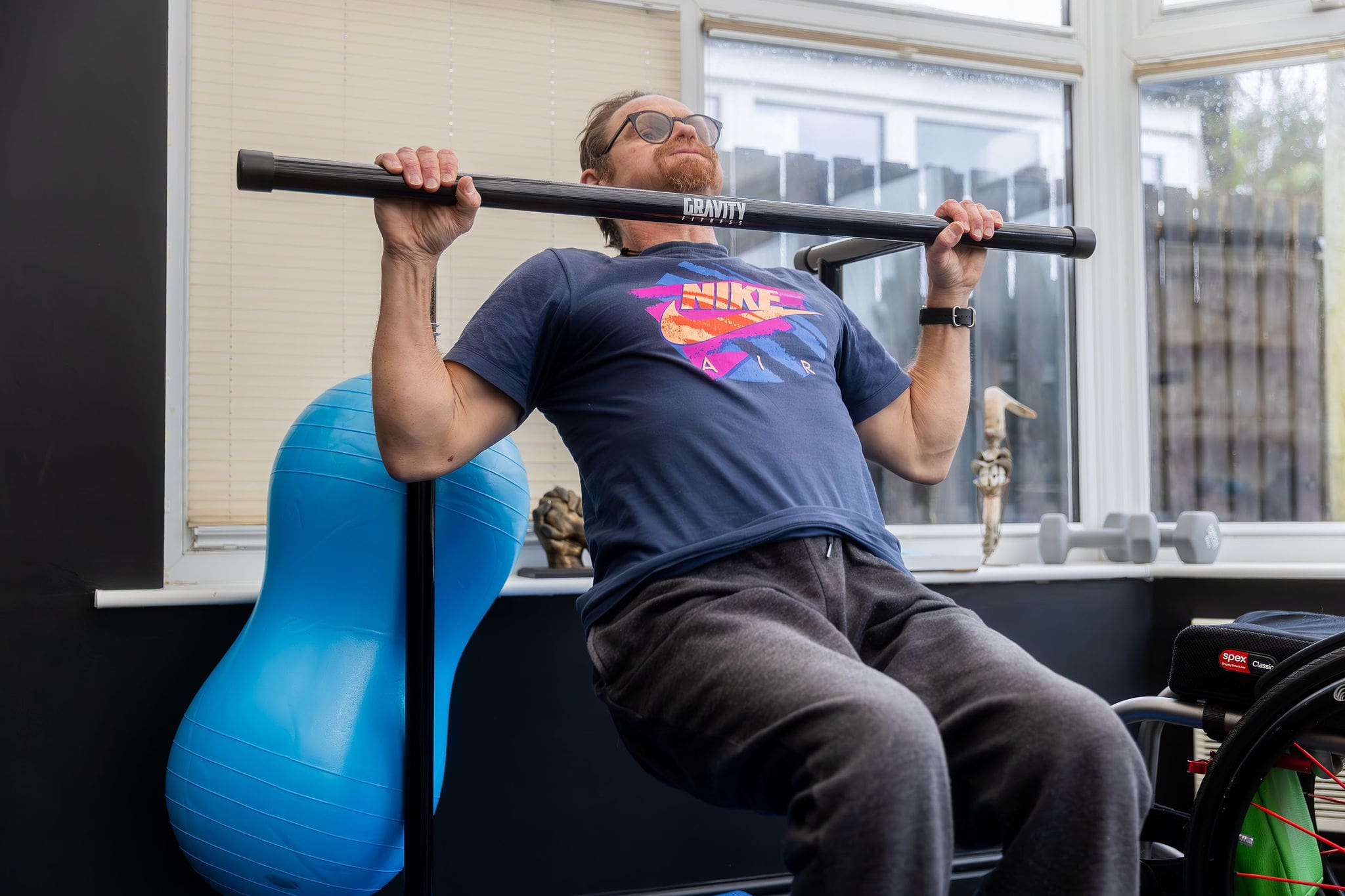
Ian doing rehab

Support with work, education and independence

We believe that understanding a person’s pre-injury life, such as their job, hobbies, and level of activity helps create a clear picture of what their life once looked like, and an understanding of what goals they may wish to pursue – supporting them in regaining their sense of self.

Examples of support we have helped clients access include:

Retraining

A complex injury does not mean losing employability. Individuals can receive guidance to regain employment or explore new career paths suited to their abilities.

Returning to work

Staying in the same career or industry may require workplace adaptations, such as changes to the environment or adjustments to roles and responsibilities.

Those still in education

Maintaining access to school, college, or university is a basic right, and support ensures students affected by serious injury can continue learning.

Hobbies and community participation

Access to activities outside work or education helps prevent isolation and supports overall wellbeing.

Even after a serious injury, with the right support, there can be possibilities to return to work, pursue a meaningful career, or enjoy hobbies. Life can move forward.

Real experiences

Real client experiences: what support made the biggest difference

Motorcycle Accident and New Confidence for Janice
Janice was thrown from her motorbike in a serious road traffic collision and sustained a brain injury that affected her memory, vision and walking ability. With rehabilitation and legal support, she regained her confidence and now enjoys caring for her animals and ballroom dancing again, her story shows how tailored support can help someone enjoy life after injury.

Life-Changing Support After HGV Collision After being struck from behind by an HGV, our client, an experienced cyclist, sustained permanent spinal injuries. The claim was complex and required strong evidence and careful handling. Early legal intervention helped secure an £8.25 million settlement, which included:

  • Tailored therapy and support
  • Specialist case management for ongoing care
  • Funding for a suitable new property
  • Home adaptations to meet evolving needs
  • A rehabilitation programme exceeding £1 million, including essential adaptations and future care planning

Together, this provided the stability, financial security, and support needed to help our client recover, rebuild, and thrive. Read the full case study here.

How our serious injury lawyers can help secure ongoing support

serious injury lawyer can do more than handle compensation claims. They can help coordinate care with case managers, therapists, and medical professionals, and ensure the right support is in place.

At Fletchers, our serious injury solicitors are proud to represent survivors of brain injuriesspinal injuriesamputations and paralysis. Even if you’re unsure what support you need, seeking advice early can ease pressure and uncertainty, allowing you to focus on recovery.

If you’ve been affected by a serious injury, speaking with an experienced serious injury solicitor can help you access the support you need to recover, rebuild, and thrive. To find out how we can support you, get in touch. You can call us or contact us online.

FAQs about serious injury claims

What support am I entitled to after a serious injury?

Support can include medical treatment, rehabilitation, psychological care, home adaptations, and financial help. Early legal advice can help ensure you access the right services and, where appropriate, secure interim payments to fund this support.

Who pays for rehabilitation and care?

Depending on your circumstances, NHS services, private healthcare, insurance, or interim payments through a serious injury claim can cover rehabilitation and care costs. Our senior solicitors ensure all available funding options are explored to support your recovery.

Can support change over time?

Yes. Needs often evolve as recovery progresses or new challenges arise. Regular reviews, ongoing care planning is essential for anyone who has sustained a serious or catastrophic injury.

Can I make a serious personal injury claim?

If your injury was caused by someone else’s fault, you have the right to claim compensation.

How much does it cost to make a catastrophic injury claim?

At Fletchers, we work on a no-win, no-fee basis. This means if we take on your case and are unable to secure compensation, you don’t pay anything. Our approach ensures you can focus on recovery without worrying about legal costs.