The dark commute: nearly 1,200 cyclists killed or seriously injured in five years

Nearly 1,200 cyclists were killed or seriously injured during dark commuting hours across Britain between 2021 and 2025.* The clocks went back on 25 October 2026, meaning more of the evening commute falls after dark. Ahead of the change, the team at Fletchers Solicitors has analysed government data to highlight areas with higher dark commute casualty rates.
Key takeaways:
- Nearly 1,200 cyclists were killed or seriously injured during dark commuting hours across Britain between 2021 and 2025.
- 4,997 cycling casualties were recorded during dark weekday commuting hours, including around 1,162 serious injuries and 18 deaths.
- Greenwich had the highest casualty rate among the areas highlighted, with 46 deaths and serious injuries per 100 million commuting-hour cycling miles, more than 2.5 times the national average of 18.
- The North West had the highest regional casualty rate, at 24 deaths and serious injuries per 100 million commuting-hour cycling miles, compared with 12 in Scotland and Wales.
- 81% of cyclists killed or seriously injured during dark commuting hours were on roads where street lights were switched on.
- London recorded 303 deaths and serious injuries, accounting for around a quarter of Britain’s total during dark commuting hours.
- Dark commute casualty rates increased, with the death and serious injury rate around 9% higher in 2025 than in 2022.
- Junctions were a significant location for cycling accidents, with 37.9% of cycling casualties during weekday commuting hours occurring at T-junctions or staggered junctions, across daylight and darkness.
Where dark commute casualty rates were higher
Greenwich, Sheffield and Leeds were among the areas with higher rates. Greenwich’s rate was around 46 deaths and serious injuries per 100 million commuting-hour cycling miles, compared with 18 across Britain. That’s more than two and a half times the national average.
The table below shows selected areas with dark commute casualty rates above the national average.
| Area | Dark commute deaths and serious injuries per 100 million commuting-hour cycling miles* |
| Greenwich | 46 |
| Sheffield | 45 |
| Leeds | 44 |
| Kingston upon Thames | 39 |
| Merton | 39 |
| Bournemouth, Christchurch and Poole | 39 |
| Kingston upon Hull | 38 |
| Manchester | 35 |
| Croydon | 35 |
| Hammersmith and Fulham | 34 |
Seven of these areas had a rate more than twice the national average.
Greenwich recorded 13 deaths and serious injuries over five years. Leeds recorded about 34, but because there was much more cycling there, it had a lower casualty rate than Greenwich.
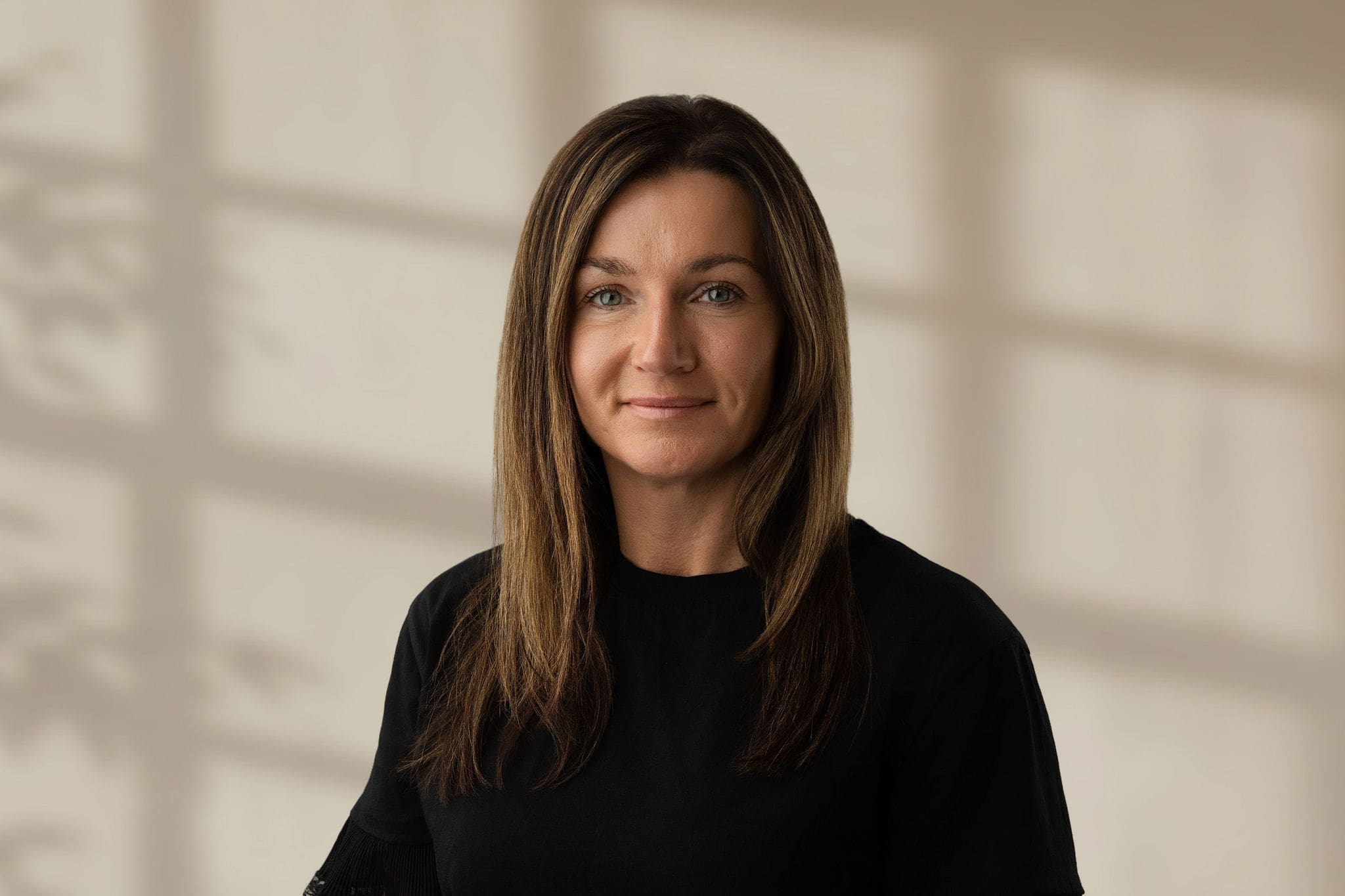
A message from our expert:
“It would be very wrong to assume that a cyclist is responsible for a collision, simply because they didn’t have their lights on or they weren’t wearing reflective gear.”
Lena Farnell
Associate
Regional differences in dark commute casualties
At around 24 deaths and serious injuries per 100 million commuting-hour cycling miles, the North West’s rate is more than double Scotland’s and about 36% above the national average.
The table below compares rates across the regions and nations of Britain.
| Region or nation | Dark commute deaths and serious injuries per 100 million commuting-hour cycling miles* |
| North West | 24 |
| Yorkshire and the Humber | 23 |
| North East | 22 |
| London | 22 |
| South West | 18 |
| South East | 15 |
| East Midlands | 14 |
| East of England | 13 |
| West Midlands | 13 |
| Wales | 12 |
| Scotland | 12 |
London recorded 303 deaths and serious injuries, equivalent to the rate of 22 shown in the table. That’s about a quarter of the total in Britain and more than twice the North West’s 139. However, London recorded fewer deaths and serious injuries for the distance cycled, giving it a lower rate than the North West.
Including slight injuries, London’s total rose to 1,636 dark commute casualties, almost a third of the national total.
Yorkshire and the Humber recorded five deaths over the five-year study, and the South East recorded four. Together, these regions accounted for half of the 18 dark commute deaths across Britain.
London’s dark commute death and serious injury rate was around 2% lower in 2025 than in 2022.
More than 1,160 cyclists seriously injured during the dark commute
Of the 4,997 cycling casualties recorded in darkness during weekday commuting hours, around 1,162 cyclists were seriously injured and 18 lost their lives. Together, deaths and serious injuries accounted for almost a quarter of all casualties.
The proportion was higher in Greenwich and Sheffield, where more than a third of dark commute casualties involved death or serious injury. In Leeds, it was around 30%, compared with 24% across Britain.
The dark commute death and serious injury rate was around 9% higher in 2025 than in 2022.*
Four in five dark commute deaths and serious injuries happened on lit roads
Around 81% of cyclists killed or seriously injured in the dark during weekday commuting hours were on roads where the street lights were switched on. In London, that proportion was almost nine in ten.
Nine of the 18 recorded deaths happened on lit roads.
Street lights were on where all 13 serious injuries in Greenwich and 21 of the 22 deaths and serious injuries in Sheffield happened.
During the dark commute, seven cyclists were killed and around 90 were seriously injured on roads without street lights. Together, that’s about 8% of all dark commute deaths and serious injuries. Those seven deaths were part of a total of 18 recorded across Britain.
Around 37 cyclists were seriously injured and one was killed on roads where street lights were present but not lit. The death was recorded in Leeds.
Junctions during commuting hours
Across weekday commuting hours in daylight and darkness, 37.9% of cycling casualties occurred at T-junctions or staggered junctions. These junctions accounted for 37.1% of cyclists killed or seriously injured.
A message from our expert:
“Cyclists can be unpredictable for many genuine reasons – potholes, uneven surfaces and poorly maintained highways – mean cyclists might have to move quickly to avoid obstacles.”
Lena Farnell
Associate
Road safety during the dark commute
The Highway Code sets out responsibilities that everyone on the road should follow, including:
- At junctions: Drivers and motorcyclists should let cyclists travelling straight ahead pass before turning across their path.
- When overtaking: Drivers should leave at least 1.5 metres when passing cyclists at speeds up to 30mph. They should give more space at higher speeds, at night or in bad weather.
- When cycling at night: Cyclists must have their lights switched on, with a white light at the front and a red light at the rear.
A comment from our expert
Comment from Lena Farnell, Associate:
“Seeing such stark numbers relating to cyclists being killed or seriously injured, really highlights just how vulnerable these road users are. As a cyclist myself, I personally feel concerned about passing distances – especially at night. Evening commuting can be overstimulating, especially when there are various light sources on the roads. When non vulnerable road users don’t allow space, regardless of visibility, collisions will happen.
“It’s true that cyclists have a responsibility to make themselves as visible as possible, but this doesn’t mean that other road users don’t have a duty of care to look out for vulnerable riders. When there has been a collision, there are a lot of contributing factors to consider – time of day, weather, lighting etc all play a part. It would be very wrong to assume that a cyclist is responsible for a collision, simply because they didn’t have their lights on or they weren’t wearing reflective gear.
“Cyclists can also be unpredictable for many genuine reasons; a significant factor being unforgiving road conditions – potholes, uneven surfaces and poorly maintained highways – which means cyclists might have to move quickly to avoid obstacles.
“Ultimately, road users should be vigilant, kind and patient. The cyclist you are passing is someone’s loved one, probably on their way home from work. We don’t know their circumstances, but everyone has the right to be on the road – and we need to be more accepting that we all owe each other some respect, so that we can all travel home safely.”
Methodology
*We analysed Department for Transport cycling casualty data for England, Scotland and Wales from 2021 to 2025, covering all months. Northern Ireland is excluded. Commuting hours are Monday to Friday, 7am–10am and 4pm–7pm, excluding bank holidays. These timings don’t confirm the reason for the journey.
The rates show the number of cyclists killed or seriously injured in darkness per 100 million miles cycled across all commuting hours, including daylight. This applies to the 2021 to 2025 study and the comparison of 2022 with 2025. Serious injury figures are adjusted for differences in police reporting.
Local comparisons include only those areas with at least five million commuting-hour cycling miles a year. We have rounded table values and ordered the tables using unrounded rates.
Darkness is defined as including street-lit roads. Separate mileage for daylight, darkness or lighting conditions isn’t available, so these figures we’re using can’t establish which conditions are more dangerous.
Junction figures cover daylight and darkness and show casualty shares, rather than risk per journey.



A national team, here when you need us
With offices across the UK, we’re never too far away, helping people access specialist advice and support wherever they are.
You're in safe hands
-

THE TIMES BEST LAW FIRM
-
CHAMBERS TOP RANKED LAW FIRM
-
LEGAL 500 TOP TIER FIRM
-
ARMED FORCES COVENANT
-
AVMA - LAWYERS’ SERVICE MEMBER
-
HEADWAY ACCREDITED SOLICITORS
-
SIA - TRUSTED LEGAL PARTNER
-
CBIT - TRUSTED LEGAL PARTNER







Start your claim with confidence
Not sure where to start? We’ll listen, guide you, and give clear, honest advice on what to do next.