Common bicycle collisions leading to injuries and deaths

Understanding the causes and consequences of a bicycle collision can help ensure greater safety on the roads. In this article we aim to provide a clear understanding of what causes cycling collisions, the injuries that are sustained, the steps to improving road safety and how to make cycling collision compensation claims.
Common reasons for bicycle collisions
- Poor road conditions
- Visibility issues
- Interactions with other road users
Common reasons for bicycle collisions
Over the years, our expert cycling collision solicitors have handled thousands of cycling and bike-related claims. The circumstances can vary widely from case to case, but often the most common cause of the incident are one of the following:
Poor road conditions
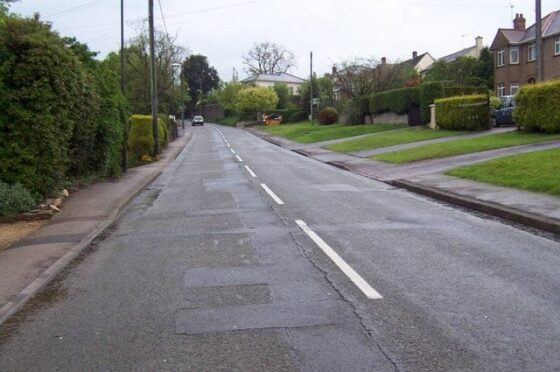
In our experience, road conditions such as uneven surfaces, potholes, and debris can cause cyclists to lose control and often contribute to a collision
Visibility issues
Some of our clients have experienced poor visibility as a contributing factor to their collision. Visibility may have been limited due to poor weather conditions or inadequate lighting on public roads – which can all increase the risk of not being seen by other road users.
Interactions with other road users
We have dealt with a number of cycling collision claims involving other road users, such as cars or vans, who may have made a sudden turn without looking, or may have opened a door into the path of a cyclist.
However, it should also be taken into consideration that risky behaviours from cyclists, like ignoring traffic signals or riding unpredictably, can all increase the risk of an collision.
How many bicycle collisions are there in the UK every year?
In recent years, there have been a consistent number of bicycle collisions according to data released by the Department for Transport in 2023. According to the data, for the period 2018-2022 on average 2 cyclists were killed and 81 seriously injured every week. In 2022 alone, 15,600 cyclists were reported to be injured in a bicycle collision, with the most common contributory factor for collisions being that the driver or rider did not look properly. Additionally, 56% of collisions reported between 2018 and 2022 occurred on rural roads, compared to 30% which took place in traffic.
Source: Department for Transport
Common injuries resulting from cycle collisions
Our experienced team at Fletchers have seen cycling collisions cause a range of injuries, which vary in severity. Some of the most common injuries they have come across include:
- Fractures
- Head and brain injuries
- Spinal injuries
- Soft tissue injuries, such as sprains and strains.
Some of the symptoms our clients have suffered involve:
- Pain
- Swelling
- Bruising
- Difficulty moving
- Dizziness
- Headaches
As a result of these injuries, our clients have experienced both immediate and long-term impacts on their health and daily lives, including
Head injuries
Head injuries caused in cycling collisions can range from mild concussions to more severe head injuries. Severe head injuries can also cause skull fractures or traumatic brain injuries, which according to Headway, can cause long-term cognitive impairments, blood clots, and potentially permanent brain damage. We have seen how devastating this can be for our clients and how it impacts daily life; from being unable to return to their job, to experiencing a loss of general independence.
Spinal cord injuries
Some of our clients have experienced spinal injuries as a result of a cycling collision. A spinal injury may present as a severe spinal cord injury, which can lead to paralysis in severe cases. This means that a client suffers limited mobility, a lack of independence, inability to do the things they previously enjoyed, and a general lack of function. A spinal injury can be an isolating and lonely experience too.
Fractures
In our experience, the limbs and torso absorb much of the impact in a cycling collision – which means they can come away with the most damage. Fractures in these areas can lead to prolonged recovery periods, affecting an individual’s ability to perform daily tasks and even attend work in the way they used to.
Soft tissue injuries
Cyclists also experience sprains, tears, and bruising in the aftermath of a cycling incident. These injuries can cause pain, often requiring medical intervention. According to Southgate Physio, sprains and tears can restrict movement and may require physiotherapy, which in the short-term could impact daily activities and overall quality of life.
Serious injuries from bicycle collisions
According to data published in September 2023 by the Department for Transport (DFT), between 2004 and 2022, cycling collision fatalities per year are down 32%, however, serious injuries because of such collisions have increased by 21% in the same time period.
When looking at the data published by DFT, further findings found that:
- There were 4056 serious injuries and 11,546 slight injuries caused in cycling collisions
- Serious injury rates per mile traveled are down 20% for the period 2004-2022
- Between 2018 and 2022, 82% of cycling casualties were male and 18% female
- 41% of serious injuries are caused at a junction and 13% at roundabouts
The table below, sourced from the Department for Transport, outline what collisions were recorded during the period 2018 – 2022. The table also shows the vehicles involved in the cycling collisions, and what injuries were caused.
| Other vehicles | Fatalities | Serious injuries | Slight injuries |
| No other vehicles involved | 88 | 1,596 | 1,830 |
| 1 pedal cycle | 5 | 327 | 540 |
| 1 motorcycle | 4 | 357 | 1,265 |
| 1 car | 248 | 15,248 | 48,526 |
| 1 bus or coach | 11 | 298 | 791 |
| 1 light goods vehicle | 47 | 1,688 | 4,769 |
| 1 heavy goods vehicle | 65 | 358 | 625 |
| 1 other vehicle | 19 | 427 | 993 |
| 2 or more other vehicles involved | 55 | 856 | 1,842 |
| Total | 542 | 21,156 | 61,180 |
Source: Department for Transport
Tips to avoid bicycle collisions
To stand the best chance of avoid cycling collisions, its important to ensure you are riding your bicycle in the safest possible way. Cycling UK offers these 5 tips to keep you safe whilst you’re riding your bike:
- Always check your surrounding before getting on your bike, and where possible, ensure you are visible to passing traffic
- Be aware of changing road conditions and make sure you can use your brakes quickly to react appropriately.
- Maximise your awareness of your surroundings and try to make eye contact with drivers before making any manoeuvres.
- Road positioning – you should be at least an ‘arm’s length’ from the curb, as this is where most road defects such as potholes occur.
- When finishing your journey, check over your shoulder to make other road users aware that you’re altering your default riding position, then slowly pull over to the curb.
In addition to this, other road users can play their part in keeping cyclists safe on the road. Cycling UK say that motorists should:
- Always look carefully for cyclists when pulling out of a junction, roundabout or performing a manoeuvre
- Don’t turn in front of a cyclist
- Leave plenty of space when overtaking a cyclist
- Wait for a cyclist to pass through narrow sections of road before overtaking
- Drive at a considerate speed
- Look out for cyclists when opening car doors
Could you make a cycling collision claim?
You can make a cycling collision claim if:
- You were injured in a cycling collision
- You were not responsible for the collision, or were only partially at fault
If you believe this is the case with you, please contact one of our auto collision lawyers as soon as you can by completing our “contact us” form..
Our expert team follows a thorough six-step process in cycling collision claims:
Your Initial Enquiry: This is your first step in reaching out to us. Our legal experts are here to answer any questions you may have, and rest assured, all calls are handled with the utmost confidentiality.
Case Review: Here, one of our personal injury specialists will carefully examine the details of your case. They’ll provide you with an honest assessment of your chances of successfully making a claim.
Claim Investigation: If your case is taken on, our team will kickstart the process of gathering evidence to support your claim. This might involve reaching out to witnesses, obtaining CCTV footage, and documenting any losses you’ve suffered, like lost earnings or damaged belongings. We may also secure interim payments and rehabilitation support at this stage.
Medical and Expert Evidence: We’ll examine your medical records and other relevant evidence to understand the extent of your injuries. We’ll also explore how the collision has impacted your work and lifestyle.
Negotiation: We’ll negotiate with the other party on your behalf to secure a fair compensation package for your injuries and losses. If negotiations hit a roadblock, the matter may proceed to court, however very few cases make it to the courtroom. Throughout this process, we’ll keep you updated every step of the way.
Compensation: Once negotiations are successfully concluded, and your compensation is secured, you can finally move forward and put this chapter behind you, focusing on rebuilding your life.
How Fletchers Solicitors Can Help
Fletchers Solicitors can support you through the complexities of your bicycle collision claim. With our proven track record and commitment to client care, we’re here to guide you every step of the way. From your initial enquiry to securing fair compensation, our team is dedicated to ensuring you receive the justice, support, and compensation you deserve.
If you or a loved one has suffered an injury in a cycling collision, don’t hesitate to reach out to us. Our experienced team is here to provide expert guidance and support tailored to your unique circumstances. Contact Fletchers Solicitors today to schedule a consultation and take the first step toward resolving your legal concerns.
Our awards
-

THE TIMES BEST LAW FIRM
-
CHAMBERS TOP RANKED LAW FIRM
-
LEGAL 500 TOP TIER FIRM
-
ARMED FORCES COVENANT
-
AVMA - LAWYERS’ SERVICE MEMBER
-
HEADWAY ACCREDITED SOLICITORS
-
SIA - TRUSTED LEGAL PARTNER
-
CBIT - TRUSTED LEGAL PARTNER












Start your claim with confidence
Not sure where to start? We’ll listen, guide you, and give clear, honest advice on what to do next.