Horse riding road safety: rules and advice for riders and drivers

Horse riders are among the most vulnerable users on our roads. Many incidents happen because drivers pass too fast or too close. Horses can react suddenly when startled, which can put both the rider and the horse at risk. This guide explains why horse riders face unique dangers, and what all road users can do to help keep each other safe.
What this guide covers:
- Rider vulnerability on UK roads
- Why horses spook and how this affects safety
- Understanding the rules around horses on the road
- Safety initiatives supporting equestrians
- Practical road safety tips for riders
Why horse riders face greater risks on UK roads
Horse riders have far less physical protection than people travelling in enclosed vehicles. A collision can expose both the rider and the horse to serious harm, especially on rural roads where speeds are higher and visibility can vary. Horses are also highly sensitive to their surroundings, and a sudden noise or fast‑approaching vehicle can trigger an instinctive reaction that places them at greater risk.
Horse riders are classed as vulnerable road users, which means drivers are expected to take extra care around them, just as they would with motorcyclists, pedestrians or cyclists. This approach recognises the increased danger faced by anyone without a protective vehicle structure and aims to keep all road users safe.
We periodically review GOV.UK road casualty data, which shows that vulnerable road users, including pedestrians, cyclists and riders, continue to face higher risks of serious injury compared with people in cars. Although horse‑specific figures are collected by the British Horse Society rather than the Department for Transport, national road‑safety statistics consistently highlight the increased danger for anyone without a protective vehicle structure.
When a driver fails to give a horse rider the space and care the Highway Code requires, and that failure causes an incident, it isn’t just bad driving. It can be a breach of the driver’s duty of care, and that’s where a claim can begin.
The British Horse Society recorded 2,810 equestrian‑related road incidents in 2025, with 59 horses killed and 86 people injured. Most incidents involved drivers passing too closely or too quickly. These numbers underline why riders need space, patience and predictable behaviour from drivers.
Key information about horse riding safety
- Rider vulnerability Horses can spook suddenly
- Rules of speed slow to around 10mph
- Passing rules Give 2 metres of space
What can spook a horse on the road?
Horses can be described as a flight animal, meaning their instinct when they perceive something unfamiliar or threatening is to move away from it. Sudden noise like a horn, a fast approaching vehicle or revving engines can all startle a horse, and when this happens the horse may move sharply sideways, bolt or stop abruptly.
Even a small sideways movement can place a rider directly in the path of a vehicle. Calm, steady and spacious driving gives the horse, its rider and other road users a safer environment and supports responsible, shared road use, which reduces the likelihood of any incidents occurring.
What is the hierarchy of road users?
The hierarchy of road users is a Highway Code principle introduced in 2022. It recognises that some people are more likely to be seriously injured in a collision than others. Pedestrians, cyclists, horse riders and motorcyclists sit at the top of the hierarchy because they have little or no physical protection.
Do horse riders have more rights than cars on our roads?
Horses do not have “more rights” than cars. The Highway Code’s hierarchy of road users simply recognises that some people are more likely to be seriously injured in a collision than others. Because horses and riders have little physical protection, drivers of larger or heavier vehicles are expected to take extra care around them.
This doesn’t give riders any special priority. It places greater responsibility on those who can cause the most harm, helping keep vulnerable road users, including horse riders – safe.
Understanding the rules around horses on the road
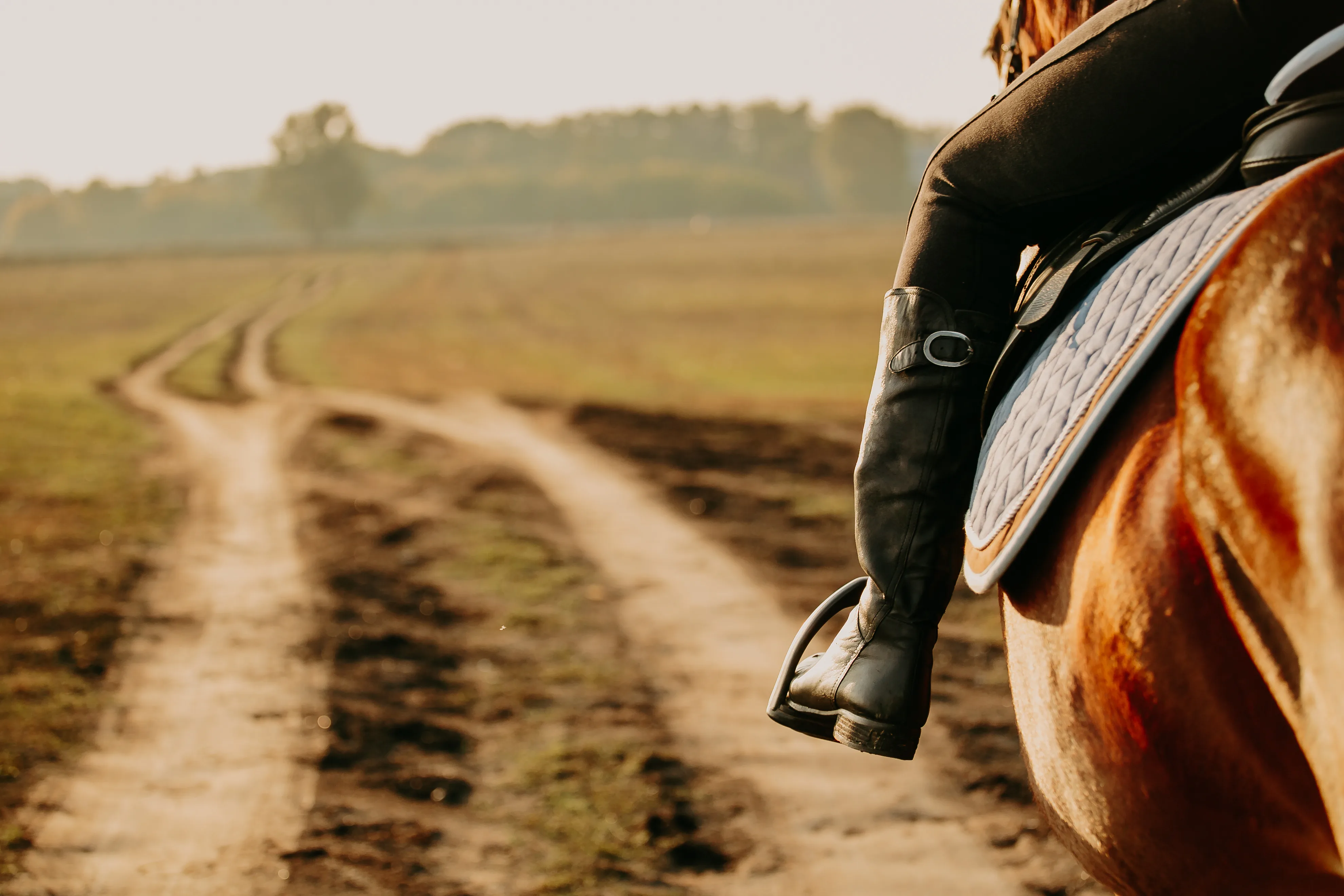
Many horse riders rely on the road network to reach bridleways, fields and safer off-road routes, which is why horses are allowed on the road. The Highway Code sets out clear expectations for both riders and drivers, helping everyone share the road safely.
Rules for riders
Riders follow the Highway Code’s rules about animals, which include keeping to the left, using clear signals and ensuring the horse is under proper control. High visibility clothing is encouraged, especially in low light. There is no legal requirement for riders to have insurance on the road, although some choose public liability cover for added reassurance.
The hierarchy of road users (Rule 1) also applies to riders. It asks riders to give way to pedestrians at zebra and parallel crossings (Rule H2).
Rules for drivers
Drivers have specific responsibilities when passing horses on the road. The Highway Code advises slowing to around 10mph, giving at least two metres of space and avoiding the horn. These rules recognise horses as vulnerable road users and help reduce the risk of sudden movements.
The hierarchy of road users places greater responsibility on drivers of larger or heavier vehicles. Rule H3 reinforce this by asking drivers not to cut across horse riders when turning. Waiting for a safe gap and allowing riders to continue straight ahead supports calm, predictable interactions.
If a driver ignores these rules, passing too closely, too fast, or without warning, and a rider or horse is hurt as a result, that failure to follow the Highway Code can be strong evidence of negligence in a claim.
Rules for other road users
- Cyclists approaching horses:
Cyclists should slow down when approaching horses, avoid passing closely or at speed, and never undertake a horse. A polite warning, such as a bell or voice, helps avoid startling the horse. - Cyclists giving way:
Cyclists should give way to horse riders on bridleways and be prepared for horses to move unpredictably. - Extra space in poor conditions:
All road users should allow extra room around horses in poor weather, low visibility or at night.
Safety initiatives supporting equestrians
We actively support national and local road‑safety work that helps protect vulnerable road users such as horses and riders. The Dead Slow campaign from British Horse Society is one of the most effective. It’s a practical reminder that a small change in driver behaviour can make a huge difference to a rider’s safety, and its message is clear:
- Pass horses at 10mph or less
- Leave at least two metres
- Avoid using the horn
We also back seasonal police road‑safety operations, especially during darker months when visibility drops and risks increase. These campaigns reinforce the importance of patience, awareness and responsible driving, and encourage motorists to be mindful of vulnerable road users.
We stand behind any initiative that spreads the message about road safety – whether it’s awareness days, visibility campaigns or partnerships between ourselves, the police and charities. Anything that helps riders feel safer and helps drivers understand how to share the road responsibly is something we support.
All of these efforts share one aim: helping riders and drivers understand each other’s needs so everyone can travel safely.
Practical road safety tips for riders
Riders can also take simple steps to reduce risk and improve visibility. These small actions help drivers understand what the horse is about to do and make interactions on the road calmer and more predictable:
- Wearing high‑visibility clothing so drivers can see you earlier
- Choosing quieter routes to avoid fast or busy traffic
- Giving clear hand signals to show your intentions
- Riding single file on narrow roads
- Planning your route so you know where the safer stretches of road are
- Keeping your horse calm and focused, especially when approaching junctions or bends
The BHS has excellent resources that encourage responsible riding, from route‑planning advice to guidance on staying visible and calm on the roads. Reporting incidents through the British Horse Society’s Horse i app also supports national safety data. It helps highlight areas where improvements may be needed and gives riders a way to raise concerns that might otherwise go unnoticed.
Can Fletchers help if you’ve been injured in a horse‑related road incident?
A road incident involving a horse can leave you shaken, seriously injured, and unsure what to do next.
Our specialist Road Traffic Accident team regularly represents horse riders injured because a driver passed too fast or too close. We’ll review what happened, explain whether you have a claim, and handle it on a no win no fee basis.

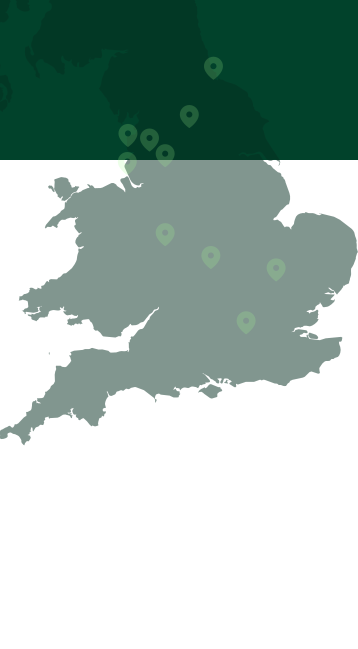
A national team, here when you need us
With offices across the UK, we’re never too far away, helping people access specialist advice and support wherever they are.
You're in safe hands
-

THE TIMES BEST LAW FIRM
-
CHAMBERS TOP RANKED LAW FIRM
-
LEGAL 500 TOP TIER FIRM
-
ARMED FORCES COVENANT
-
AVMA - LAWYERS’ SERVICE MEMBER
-
HEADWAY ACCREDITED SOLICITORS
-
SIA - TRUSTED LEGAL PARTNER
-
CBIT - TRUSTED LEGAL PARTNER







Start your claim with confidence
Not sure where to start? We’ll listen, guide you, and give clear, honest advice on what to do next.