Riding season is here! But stay safe in Groups

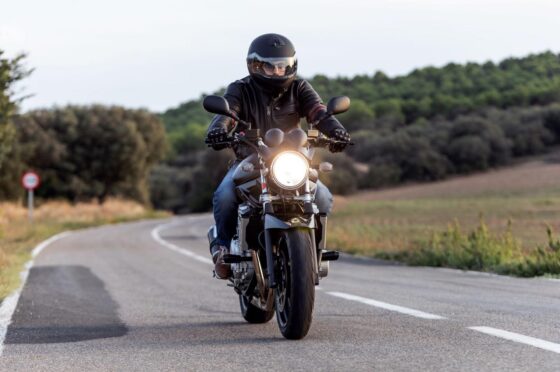
Group ride outs are a treasured part of the motorcycle community. To be out on a ride together is a special, bonding experience. It is a great way to build friendships, camaraderie and have a memorable day out with friends. Group riding takes the motorcycling experience on to another level, each rider taking in the sights through their senses at the same time. So, with all these positives, what puts some people off taking part in a group ride out?
Whilst group riding is involved in a significant number of road traffic accidents, group riding itself is not overly dangerous if all involved are experienced riders who have built up an understanding over time and know what to expect. Problems can arise when people have not met before and have no understanding of how that person rides and their ability on their bike. It’s vitally important to know people’s expectations beforehand. Without this you can have riders with vastly different experience and abilities with the less able riders trying desperately to keep pace and not get left behind.
Every motorcyclist has their own unique style. An understanding is built up amongst a group of riders over a period of time with each rider getting to know how other members of the group ride and react to certain circumstances.
So how can we stay safe on a group ride out?
- A group chat before setting off is a good place to start. Set out the route, speed and expectations. Discuss any concerns as a group.
- A good formation is essential. It gives each rider a clear view ahead in case of any unexpected hazards. At least a two second gap is recommended between a rider and the one directly in front in the formation.
- It is important for the group to know the exact destination and stops along the way to take the pressure off becoming spit up from the rest of the group. This will hopefully help each rider to ride within their capabilities. If they get lost they know where to meet.
- Communication within the group is of course vital. Modern communication technology has obviously really helped over recent years. Make indications early and consider using hand signals.
- A good tip to avoid riders getting lost is to keep the rider behind you in your mirrors. If you are coming up to a turn make sure they have seen you before making the turn.
- A common rule is that there should be no overtaking within the group. Any change in order of riders should be done during a break or on the trip back.
- Take the whole group into account and adjust your expectations and your speed. If you want to go full throttle that day it may be best to give the group ride a miss and go out somewhere alone.
- Generally, groups often find it beneficial to put the most experienced or able rider at the back. It is common for the back rider to have to play catch up more often as they may miss overtaking opportunities which the others have been able to take. Another, experienced and level headed rider at the front is great for setting expectations of the group.
- Be sensible with group sizes. Groups of 7 or more may cause more incidents and difficulties.
- When overtaking make sure you are sure that it is clear and that you have enough time rather than just automatically following the rider in front.
- Establish a group procedure and follow it. Make sure any new riders are aware of the procedure and also follow it. Riding is so much easier if you know what the rest of the group are going to do.
- Ride within your own capabilities and don’t feel pressured into riding in a way you are not comfortable with.
- A de-brief following the ride is a good way to end. What particular things did the group enjoy, was communication good, what could be improved for next time?
In addition to the above, motorcycle clubs should note that you are not opening yourselves up to negligence claims when organising a ride out! In road traffic accidents the driver of a vehicle will be liable in negligence if they failed to attain the standard of a reasonable careful driver and if the accident was caused as a result. It is for the person making the claim (The Claimant) to establish on the balance of probabilities that the other person (The Defendant) was negligent. The standard of care is that of a reasonably careful driver, armed with common sense and experience. If a real risk of danger would have been reasonably apparent to such a driver then reasonable precautions must be taken. If the danger was no more than a mere possibility which would not have occurred to such a driver then there is no obligation to take extraordinary precautions. The Defendant is not to be judged by the standards of an ideal driver nor with the benefit of hindsight.
By way of example, there are circumstances where a group of motorcyclists will clearly not be at fault. If a vehicle was to emerge from a side road into the path of a motorcycle which was clearly there to be seen then liability will rest with the emerging vehicle. The same applies to if a car was overtaking from the opposite direction and encroached onto the motorcycle group’s side of the road, causing them to lose control of their motorcycles. This obviously applies to motorcyclists too and fault would rest with the rider of the motorcycle if the circumstances of the above examples were the other way round and it was a motorcycle emerging from a junction or encroaching on to the opposite side of the road.
So, with the riding season approaching, take care, especially in groups, but also have an amazing time!
We at Fletchers are experts in dealing with motorcycle accidents. Should you be in the unfortunate position of needing specialised motorcycle legal advice then we will be more than happy to assist.
Our awards
-

THE TIMES BEST LAW FIRM
-
CHAMBERS TOP RANKED LAW FIRM
-
LEGAL 500 TOP TIER FIRM
-
ARMED FORCES COVENANT
-
AVMA - LAWYERS’ SERVICE MEMBER
-
HEADWAY ACCREDITED SOLICITORS
-
SIA - TRUSTED LEGAL PARTNER
-
CBIT - TRUSTED LEGAL PARTNER










Start your claim with confidence
Not sure where to start? We’ll listen, guide you, and give clear, honest advice on what to do next.