
Hypoxic-ischaemic encephalopathy claims
When a baby is diagnosed with hypoxic ischaemic encephalopathy (HIE), it changes everything for the whole family. If your child's HIE was caused by negligent care during birth, you may be entitled to make a claim. Our specialist birth injury team is here to guide you.
-
-
 TOP-RANKED LEGAL EXPERTS
CHAMBERS & LEGAL 500
TOP-RANKED LEGAL EXPERTS
CHAMBERS & LEGAL 500 -
NO WIN, NO FEE




Can I make a hypoxic-ischaemic encephalopathy claim?
HIE claims are usually brought by a parent or guardian on behalf of their child. To succeed, there must be a clear link between the negligent care and the injury. We can help you gather medical records, witness statements, and any other evidence needed to build a strong case.
HIE claims can be made when a child has suffered brain damage caused by a lack of oxygen and blood flow during or shortly after birth – and that harm was the result of someone else’s negligence. In the UK, HIE affects 3 to 4 babies in every 1,000 births. Around 25% to 60% of surviving infants with HIE may go on to experience long-term neurological conditions such as epilepsy and cerebral palsy. The impact on a child, and on their family, can be profound and lifelong.
A claim can be made where medical professionals failed to meet the standard of care owed to your baby. Examples of negligence that may lead to HIE include: failure to monitor the baby’s heart rate; delays in responding to signs of foetal distress; failure to perform a timely caesarean section; improper use of delivery tools; failure to manage labour complications; or inadequate resuscitation at birth.
If you’re unsure whether your child’s diagnosis was the result of negligent care, or whether you’re still within the time limit to claim, it’s always worth speaking to us. As a parent making a claim on behalf of your child, you can generally do so until they turn 18 – but we recommend seeking advice as early as possible. We’ll tell you honestly whether you have grounds for a claim.
Example of a hypoxic-ischaemic encephalopathy claim
Imagine a mother in established labour whose baby begins showing clear signs of foetal distress on the monitor – but the midwifery team is slow to escalate the situation and a decision to perform a caesarean section is delayed by several hours. As a result, the baby is born with HIE and is later diagnosed with cerebral palsy. If it can be shown that a reasonably competent team would have acted sooner, and that the delay directly caused or contributed to the brain injury, this could form the basis of a valid HIE negligence claim.
Related claims we support
Expertise you can trust
- 9/10 clients would recommend us
- AVMA panel members
- Interim payments to ensure early access to support
What compensation can help with

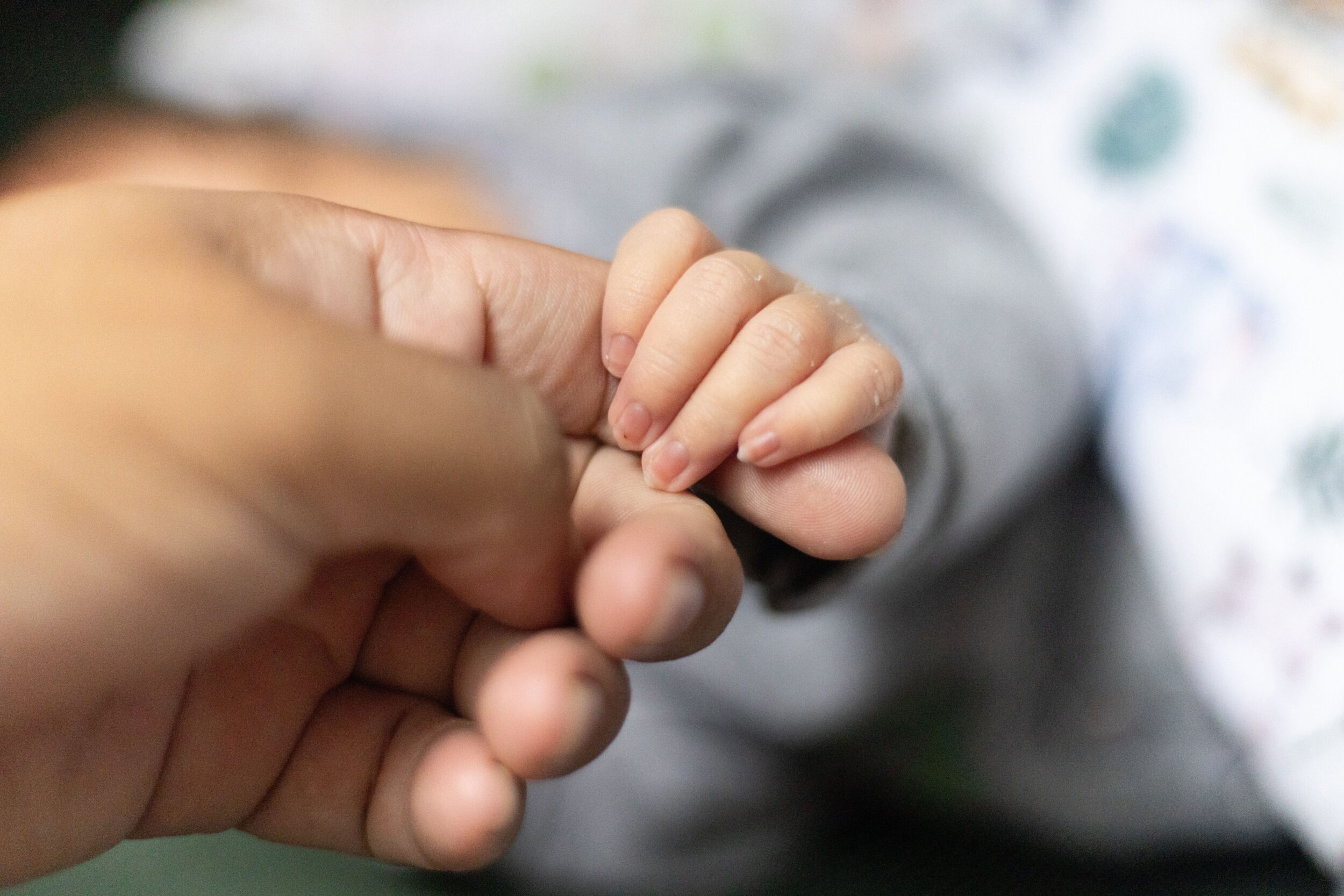
Securing the long-term care and financial security your child needs.
The impact of HIE can be wide-ranging. Your child may need specialist medical care and ongoing therapies. Your home may need adaptations to accommodate their injury, and you may have had to reduce your working hours – or give up work entirely – to become a carer. A successful claim can help address all of these needs, as well as the pain, suffering and loss of amenity your child has experienced.
A successful Hypoxic-Ischaemic Encephalopathy claim may help fund:
- Specialist medical care and treatment
- Rehabilitation and therapies
- Specialist equipment and assistive technology
- Home adaptations to support your child’s needs
- Psychological support and counselling for your child and family
- Loss of earnings – yours or your child’s future losses
- Ongoing care and support costs throughout your child’s life
- Travel and transport costs related to treatment and care
Understanding the potential value
No two HIE cases are the same, and the compensation awarded will reflect the specific circumstances of your child’s injury and their long-term prognosis. The value of a claim depends on the severity of your child’s injury, the long-term neurological impact, the level of care they will need, and the effect on their ability to live independently in the future. Cases involving severe HIE – where a child has been left with significant disability – can result in substantial multi-million-pound settlements, reflecting a lifetime of care, therapy, and support needs. We work with specialist medical experts to ensure that every element of your child’s present and future needs is fully accounted for.
Understanding interim payments
You shouldn’t have to wait until the end of the claim to get the help your family needs. We understand that the costs of caring for a child with HIE can begin to mount long before a claim is resolved. Where possible, we’ll seek interim payments on your child’s behalf during the claims process – before a final settlement is reached. These early payments can help fund specialist therapies, equipment or care without delay, so your child can access the support they need right away.



Why choose Fletchers for your HIE claim?
We understand how deeply HIE can affect both a child and their family. That’s why we’re here to support you and help you claim the compensation your child deserves. We fight to ensure that this compensation doesn’t just cover immediate costs, but also accounts for financial losses, specialist equipment, and any future care or support your child may need. At Fletchers, our birth injury solicitors bring all of that together - combined with a genuine understanding of what families go through, and a commitment to securing outcomes that make a real difference to your child's life.
Expertise you can rely on
- Specialist birth injury and clinical negligence solicitors, with decades of combined experience in HIE cases
- Accredited members of the Law Society Clinical Negligence Panel
- Recognised by The Legal 500 and Chambers and Partners
- We work closely with leading medical experts to build strong, evidence-based cases
- We work with relevant charities and support organisations to help families beyond the legal claim
- Trusted by families across England and Wales to handle some of the most complex birth injury cases
- Rated excellent on Trustpilot by the clients we have supported
- No win, no fee – so you can pursue your claim without financial risk
You're not alone
We understand what you and your family are going through.
Receiving an HIE diagnosis for your child is devastating. In the days, weeks and months that follow, families often find themselves navigating unfamiliar medical systems, coming to terms with what the diagnosis means for their child’s future, and trying to access the right care and support – all while dealing with the emotional weight of what has happened. It’s an enormous amount to carry.
We know that for many parents, questions about what caused their child’s HIE – and whether it could have been prevented – sit alongside the day-to-day demands of caring for a child with complex needs. Understanding what happened matters, and so does knowing that someone is on your side. That uncertainty is completely understandable. We take the time to listen, explain things clearly, and help you make a decision that feels right for your family.
We’ll handle every part of the legal process, keep you informed at every stage, and work to secure compensation that truly reflects the full impact of your child’s injury – now and in the future. You do not have to face this alone.
People we’ve supported


FAQs about hypoxic ischaemic encephalopathy claims
What is Hypoxic-Ischaemic Encephalopathy?
Hypoxic Ischaemic Encephalopathy is a form of brain damage that occurs when a baby’s brain doesn’t get enough oxygen and blood flow during birth or shortly after. This diagnosis may also be referred to as ‘asphyxia’, ‘birth asphyxia’, or perinatal asphyxia’. Due to the lack of oxygen and blood to the brain, this can cause problems with many of the baby’s vital organs. When the baby is diagnosed, they will likely be diagnosed under a grade, such as mild, moderate, or severe.
HIE can affect a number of the baby’s vital organs and is typically graded as mild, moderate or severe. In more serious cases, it can lead to long-term neurological conditions including epilepsy and cerebral palsy.
What are the symptoms of Hypoxic-Ischaemic Encephalopathy?
Symptoms of HIE can include:
- Altered levels of consciousness
- Seizures
- Floppy or tense muscles
- Difficulty feeding
- Breathing problems
- Changes in skin colour (purplish or blue)
Symptoms may appear shortly after birth and can vary in severity depending on how long the brain was deprived of oxygen. In some cases, symptoms may not be immediately obvious and may become more noticeable as the child grows.
How long do I have to start a Hypoxic-Ischaemic Encephalopathy claim?
If you’re a parent making a claim on behalf of your child, you can generally do so until your child turns 18. However, limitation rules can be complicated, and we strongly recommend seeking advice as early as possible. Starting sooner gives our team the best chance of gathering evidence and building the strongest possible case.
If you’re unsure whether you’re within the time limit, get in touch and one of our birth injury solicitors will advise you on your specific situation.
How long does it take to settle a Hypoxic-Ischaemic Encephalopathy y claim?
HIE claims can take a significant amount of time to resolve. One reason for this is that it can be difficult to fully establish the level of disability a child will experience later in life until they are older. Every case is different, and we’ll give you a clearer indication of the likely timeline once we understand the details of your situation.
Where possible, we’ll seek interim payments during the process to help cover immediate costs while the claim is ongoing.
Can I get legal funding for a Hypoxic-Ischaemic Encephalopathy y claim?
Yes. Legal funding is available for HIE claims where the child has suffered a severe neurological injury. We can discuss all available funding options with you when we first speak, so you understand what is available and what works best for your situation.
Can I make a claim on a No Win No Fee basis?
Yes. At Fletchers, you can make a HIE claim on a No Win No Fee basis. There are also other forms of funding available in some cases. We’ll explain all the options clearly when we take on your case, so you can make a confident, informed decision.
Who can make a Hypoxic-Ischaemic Encephalopathy claim?
Hypoxic Ischaemic Encephalopathy claims are usually brought by the parents/guardians of the child with HIE, as the diagnosis typically comes shortly after birth. However, it’s important to understand that a claim can only succeed if it can be clearly demonstrated that medical negligence occurred and directly caused or contributed to the HIE.
Establishing a clear link between the negligent care and the injury is a crucial part of making a successful claim. We can help you obtain medical records, witness statements, and any visual evidence that will help build a successful case.
If you’re unsure whether you’ve a HIE claim, then don’t hesitate to get in contact with one of our birth injury lawyers, who will provide you with expert advice for your situation.
What medical negligence can cause Hypoxic-Ischaemic Encephalopathy?
Hypoxic-Ischaemic Encephalopathy is a serious birth injury affecting the baby’s brain during delivery. While not all cases are preventable, some instances of HIE are the direct result of medical negligence.
Examples of medical negligence that may lead to HIE include:
- Failure to monitor the baby’s heart rate
- Delay in responding to foetal signs of distress
- Delaying necessary interventions such as a caesarean section
- Improper use of delivery tools
- Failure to manage any labour complications
- Inadequate resuscitation at birth


A national team, here when you need us
With offices across the UK, we’re never too far away, helping people access specialist advice and support wherever they are.
You’re in safe hands
-
THE TIMES BEST LAW FIRM
-
CHAMBERS TOP RANKED LAW FIRM
-
LEGAL 500 TOP TIER FIRM
-
AVMA - LAWYERS’ SERVICE MEMBER
-
LIA'S WINGS - TRUSTED LEGAL PARTNER
-
PEEPS H.I.E - TRUSTED LEGAL PARTNER
-
RAINBOW HUB - TRUSTED LEGAL PARTNER
-
MAMA ACADEMY - CHARITY SUPPORTER






Start your claim with confidence
Not sure where to start? We’ll listen, guide you, and give clear, honest advice on what to do next.