Spinal cord injury compensation: Aids, equipment & support

Funding your recovery, care and independence after a spinal cord injury.
Pursuing spinal cord injury compensation can help you access the rehabilitation, specialist support and equipment needed to rebuild your life with confidence.
Start your spinal injury claim.
Can You Claim Spinal Cord Injury Compensation?
You may be able to make a spinal cord injury compensation claim if your injury was caused by someone else’s negligence.
Common situations include:
- Road traffic accidents
- Workplace accidents
- Falls from height or unsafe environments
- Medical negligence (including surgical errors or delayed diagnosis)
You don’t need to know exactly what happened or who was at fault.
Our experts investigate this for you, gathering evidence to build your claim and support you from the outset.
At Fletchers, our Recover. Rebuild. Thrive. approach focuses on supporting you through every stage of recovery.
We provide:
- Clear legal guidance
- Access to specialist rehabilitation
- Support in securing the equipment and care you need
Our aim is simple: to help you move forward with confidence, independence and the right long-term support in place.
How Compensation Can Change Your Recovery
A spinal cord injury can create immediate and long-term challenges. Securing compensation early can make a significant difference to your recovery journey.
It can provide access to:
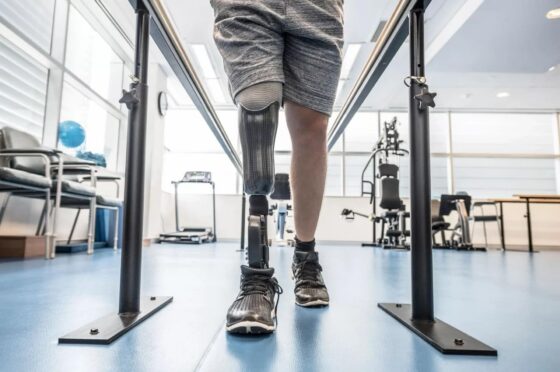
- Specialist rehabilitation and therapy
- Expert medical care
- Mobility aids and assistive technology
- Adapted accommodation or home modifications
With the right funding in place, you can begin rebuilding your independence sooner and focus on recovery rather than financial pressure.
What is the spinal cord?
The spinal cord is a bundle of nerves that connects the brain to the rest of the body, allowing movement, sensation and control of essential bodily functions.
Damage to the spinal cord can disrupt this communication, leading to partial or complete loss of movement and sensation.
How does a spinal injury happen?
There are two main types of spinal cord injury:
Traumatic spinal cord injury
Caused by a sudden impact that damages the spine, such as:
- Road traffic collisions
- Falls from height
- Sports or recreational accidents
Non-traumatic spinal cord injury
Caused by medical conditions or illness, including:
- Cancer
- Infections or inflammation
- Degenerative conditions
- Medical negligence
Both types can have life-changing consequences and often require long-term care and rehabilitation.
Impact of a spinal cord injury
The effects of a spinal cord injury vary depending on severity and location, but they often impact multiple areas of life.
Physical impact
- Loss of movement (paraplegia or tetraplegia)
- Chronic pain
- Breathing difficulties
Functional impact
- Reduced or lost sensation
- Loss of bladder and bowel control
- Difficulty with daily tasks
Life impact
- Loss of independence
- Emotional and psychological challenges
- Changes to work, hobbies and relationships
Secondary conditions from a spinal injury
These complications often increase long-term care needs and can significantly affect quality of life.
Common secondary conditions include:
- Deep vein thrombosis
- Urinary tract infections
- Muscle spasms
- Osteoporosis
- Pressure ulcers
- Respiratory complications
Managing these conditions often requires specialist care, rehabilitation and ongoing support.
How spinal injury compensation can help
No amount of money can undo the impact of a spinal cord injury, but compensation can provide the financial support needed to move forward.
It can help fund:
- Specialist rehabilitation and therapy
- Long-term care and case management
- Adapted accommodation
- Mobility aids and assistive technology
- Loss of earnings and future income
Every claim is unique. We work with medical and rehabilitation experts to assess your current and future needs, ensuring your compensation reflects the full impact of your injury.
What Compensation Can Cover
Spinal cord injury claims typically include different types of compensation:
General damages
Compensation for pain, suffering and loss of amenity.
Special damages
Financial losses, including:
- Medical treatment
- Care costs
- Travel expenses
- Equipment and home adaptations
Future costs
Long-term financial support for:
- Ongoing care
- Rehabilitation
- Loss of future earnings
- Specialist equipment replacement
How the right equipment and technology can transform daily life
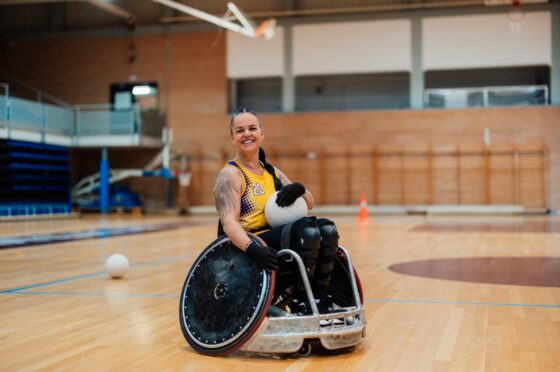
Advances in assistive technology are helping people with spinal cord injuries regain independence and improve quality of life.
Mobility and daily living aids
- Specialised wheelchairs
- Adapted bicycles
- Mobility equipment
Home adaptations
- Accessible bathrooms
- Stairlifts and widened doorways
- Environmental control systems (lighting, doors, appliances)
Communication technology
- Voice recognition software
- Eye or head-controlled computers
- Assistive communication devices
These tools allow individuals to carry out everyday tasks more independently, from managing finances to staying connected with family and returning to work.
However, these technologies can be expensive. Compensation can help ensure you access the right equipment when you need it most.
Real Examples of Spinal Injury Compensation
Ian’s cycling accident: Rehabilitation and independence
Ian, an active cyclist, suffered a serious spinal cord injury after a collision with a van, leaving him initially unable to move his legs.
Through compensation, he accessed:
- A wheelchair and adapted vehicle
- Home adaptations and care support
- Specialist physiotherapy and psychological support
With this support, Ian regained mobility using a frame, retrained as a yoga instructor, and rebuilt his independence.
Darren’s motorbike accident: Life-changing support
Darren sustained a C2 tetraplegic injury after a road traffic collision.
We secured a settlement worth up to £10 million, enabling:
- Adapted accommodation
- 24-hour care support
- Specialist mobility equipment
- Ongoing rehabilitation
Early interim payments also allowed immediate access to support, helping Darren and his family plan for the future.
How We Support Your Claim
We guide you through every step of your spinal injury claim by:
- Investigating what happened
- Gathering expert medical evidence
- Working with rehabilitation specialists
- Securing interim payments to fund early support
- Building a long-term care and compensation plan
Our focus is on ensuring you receive the support you need now and in the future.
Supporting clients through recovery
Sumit Morjaria, Senior Associate at Fletchers, has extensive experience supporting clients with spinal cord injuries.
He explains:
“Every case involving a spinal cord injury is different, but the goal is always to secure compensation that enables clients to live as independently as possible. We work with specialist experts to assess past, present and future needs.”
“Our collaborative approach ensures every client receives tailored support, with their long-term wellbeing at the centre of everything we do.”
How Long Do You Have to Claim?
In most cases, you have three years from the date of your injury (or from when you became aware of it) to make a claim.
There are exceptions:
- Children: the time limit starts from their 18th birthday
- Lack of mental capacity: there may be no time limit
Seeking legal advice early can help protect your right to claim and ensure evidence is preserved.
Speak to a Spinal Cord Injury Claims Specialist
If you or a loved one has suffered a spinal cord injury, we’re here to help you take the next step.
- Free consultation
- No Win No Fee
- Home visits available
Our awards
-

THE TIMES BEST LAW FIRM
-
CHAMBERS TOP RANKED LAW FIRM
-
LEGAL 500 TOP TIER FIRM
-
ARMED FORCES COVENANT
-
AVMA - LAWYERS’ SERVICE MEMBER
-
HEADWAY ACCREDITED SOLICITORS
-
SIA - TRUSTED LEGAL PARTNER
-
CBIT - TRUSTED LEGAL PARTNER











Start your claim with confidence
Not sure where to start? We’ll listen, guide you, and give clear, honest advice on what to do next.