Incomplete spinal injury

An incomplete spinal cord injury means an individual will retain some sensory or motor function below the level of the injury and can usually go on and make a reasonable recovery. It is estimated that around 2,500 people in the UK are diagnosed with a spinal cord injury every year. Due to the improved understanding and treatment of spinal cord injuries, most are now classed as “incomplete”.
Recover, Rebuild and Thrive with Fletchers.
If you have suffered an incomplete spinal cord injury, having access to the right spinal injury treatment is vital to support your spinal injury recovery. Through our Recover, Rebuild, and Thrive approach our mission is provide access to the best spinal injury treatment and ongoing support including:
- Specialist rehabilitation and physiotherapy
- Talking therapies to support mental wellbeing
- Adaptive equipment to improve mobility and independence
- Home modifications to create a safe, accessible environment
This ensures that clients can focus on recovery while having the resources and support needed to rebuild their lives. We enable clients with incomplete spinal injuries to take control of their recovery journey.
Our campaign is built around three principles:
Recover – Access essential treatment and medical equipment
Rebuild – Regain independence with home adaptations and mobility aids
Thrive – Return to daily life as fully as possible
In this guide we discuss:
What an incomplete spinal cord injury is and its types
- Causes and symptoms of incomplete spinal injuries
- Rehabilitation, spinal injury treatment, and recovery timelines
- Essential equipment for spinal injury recovery and how it helps
- How Fletchers helps clients access specialist equipment, home modifications, and care through legal claims
- Real case examples involving spinal injuries, including how compensation helped with recovery and treatment.
What is an incomplete spinal cord injury?
If you suffer an incomplete spinal cord injury, you will still have some feeling below the point at which the spinal cord is damaged. This is the fundamental difference between a complete and incomplete spinal cord injury. In a complete spinal cord injury, the nerves below the point of the injury cannot communicate with the brain at all.
A person with an incomplete spinal cord injury may be able to move one limb more than another or may have more function on one side of the body than the other. Even if someone experiences complete paralysis, an incomplete spinal cord injury prognosis can be good if there is still feeling in the muscles below the point of the injury.
In some cases, people who suffer such an injury can go on to make quite a rapid recovery.
What are the types of incomplete spinal cord injury?
A spinal cord injury will be classed as incomplete in two possible circumstances:
- The trauma suffered is not severe enough to completely cut or sever the spinal cord.
- The injury sustained may be severe, but not so bad that it interferes with the nerve function. It’s possible to break bones in the neck, for example, but there will be no loss of function if the spinal cord is unaffected.
- In addition, an incomplete spinal cord injury can take many different forms depending on the location.
This can include:
Anterior cord syndrome – where the front of the spinal cord is damaged, affecting feelings of pain, touch and temperature.
Central cord syndrome – where the damage is to the centre of the cord, leading to loss of movement and sensation in the legs and more severely in the arms.
Posterior cord syndrome – a rare form of injury where damage is to the rear of the spinal cord, causing problems with co-ordination and the ability to sense touch.
Cauda equina lesion – when the collection of nerves at the end of the spinal cord are compressed, which can cause lost sensation and issues with bowel or bladder control.
Brown-Sequard syndrome – another rare form that only impacts one side of the spinal cord, which affects both movement and sensation on that side of the body.
What causes an incomplete spinal cord injury?
Falls and road traffic accidents are the reason for most spinal cord injuries in the UK, according to data from Spinal Research. Often, such injuries are the result of preventable accidents – and can be the fault of someone else. Other reasons include sporting incidents or accidents at work, as well as criminal assault.
Spinal injuries – and how they should be handled in the immediate aftermath of an accident – are now increasingly better understood. Ironically, advances in the treatment of a spinal cord injury mean that it’s more likely that an injury will be incomplete, and the chances of a faster and fuller recovery are higher.
Why are incomplete spinal cord injuries more common?
For most people, it’s how their spinal cord injury is dealt with in the first place that makes it incomplete – not the injury itself.
If you are involved in an accident that injures your spinal cord, paramedics and other emergency services will take particular care to avoid any sudden or violent movements. In many cases, this will involve protecting the spine by ensuring full in-line spinal immobilisation either through the use of spinal immobilisation devices or manually stabilising the head.
The aim of this is to lower the risk of there being any further damage to your spinal cord.
A medical team may also act if there is a need to reduce any swelling around the injured area. In both situations, this can substantially lower the risk of the devastating paralysis that would result from a complete injury. Instead, this increases the likelihood of an incomplete spinal cord injury.
What are incomplete spinal cord injury symptoms/signs?
The signs or symptoms of an incomplete spinal cord injury will depend on its location and extent. If you’re involved in an accident, any of the following could indicate damage to the spinal cord:
- Loss of movement, coordination or strength in your limbs
- A tingling or loss of sensation in hands, fingers, toes or feet
- Mobility and balance issues
- An inability to control your bladder or bowel
- Severe back, neck or head pain or pressure
- Difficulties with your breathing
If you suffer an incomplete spinal cord injury in an accident, it’s important to remember that you can still retain sensation in your arms and legs – even if you’re unable to move them.
What are the rehabilitation and treatment options?
If you suffer an incomplete spinal cord injury, early access to specialist spinal injury treatment can significantly improve outcomes for spinal injury recovery, helping retain movement and sensation where possible. The treatment and rehabilitation options, including physiotherapy and occupational therapy, are key to effective spinal injury treatment. These therapies play a vital role in promoting long-term spinal injury recovery and maximising independence.
In the immediate aftermath of an accident, someone with an incomplete spinal cord injury might need surgery. This could be to stabilise the spine or remove anything pressing against the cord. In most cases, however, bed rest is the most effective treatment option as it provides the spinal cord with the time it needs to repair itself – and ensure as full a recovery as possible. This can take as long as 3-9 months, according to the Spinal Injuries Association.
Once a patient is allowed out of bed, there will be further assessment to work out what steps are needed next. This will depend on how much sensation is retained or recovered. Some incomplete spinal cord injury rehabilitation methods can include physiotherapy or occupational therapy, for example.
Scientists are constantly looking for new ways to help the body repair the nerves following a spinal cord injury and a new drug has been developed that could encourage the regrowth of spinal cord nerves.
What Equipment Might Someone with an Incomplete Spinal Injury Need?
Through our work advocating for clients who have suffered an incomplete spinal cord injury in an accident, we have seen how vital access to specialist equipment can be. Individuals with an incomplete spinal cord injury may require specialist equipment to support mobility and aid recovery The right equipment can improve comfort and help manage fatigue.
Wheelchairs
Wheelchairs provide general comfort and mobility, helping individuals travel longer distances without causing fatigue. They also conserve energy for daily activities and assist with pain management. Wheelchairs can be customised with attachments such as footrests, cushions, or powered controls to meet individual needs and maximise comfort and efficiency.
Walking Sticks and Crutches
For those retaining partial leg strength, walking sticks or crutches can support balance and stability. They encourage walking practice as part of rehabilitation, reducing reliance on wheelchairs when appropriate, and helping individuals maintain strength in their legs.
Standing Frames and Walking Frames
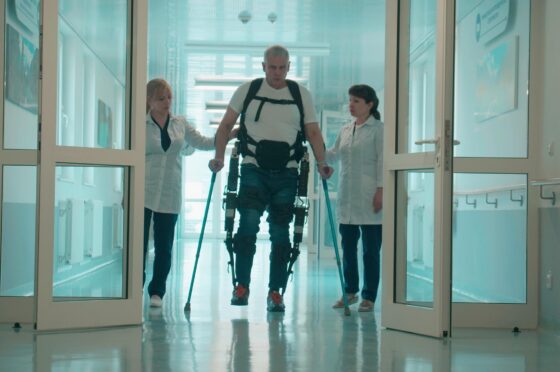
Standing or walking frames promote circulation and posture, strengthen muscles and bones, support rehabilitation by encouraging nerve signals to the lower limbs, and help prevent secondary complications such as contractures or pressure sores.
Home Adaptations and Assistive Devices
Adapted bathrooms, stairlifts, and other home modifications make daily life easier and safer. They support independence, reduce the risk of further injury, and enable clients to continue rehabilitation at home.
Why This Equipment is Important
Access to specialist aids enhances therapy outcomes and supports independence. Mobility equipment allows clients to move safely within their limits, conserves energy, reduces pain, and prevents secondary health problems, all of which are critical for spinal injury recovery.
How Fletchers Helps
Through compensation claims, we have helped clients access specialist equipment tailored to their needs, including customised wheelchairs, walking aids, standing frames, and home modifications. These supportive devices can be expensive, so securing funding through a claim ensures clients can obtain the equipment they need without financial barriers.
Having access to this equipment allows rehabilitation and daily life to continue effectively, supporting long-term spinal injury recovery and helping clients regain independence and return to everyday life.
Jack’s Story: Recovery from an Incomplete Spinal Cord Injury following a RTC
Jack, from North Wales, was involved in a serious car accident that left him with an incomplete spinal cord injury at C10, affecting his legs and balance. He began rehabilitation about nine weeks after the accident.
Early in his recovery, a rehab professional recommended he speak with Fletchers. Our team helped Jack understand the legal process and secure the support and equipment he needed, step by step.
Jack recalls:
“Everything explained step by step, and Fletchers were reassuring me. They were always thinking about what I needed and helped a lot with getting my recovery back on track.”
Through his compensation claim, Jack was able to access specialist spinal injury treatment and adaptive equipment tailored to his needs, including:
- Structured rehab to regain strength, mobility, and balance
- A specialised sports wheelchair and adaptive tools to support independence at home and in daily life
With his sports wheelchair, Jack participates in wheelchair basketball, which strengthens his legs and core, improves balance, and supports both physical and psychological recovery. His story demonstrates how adaptive equipment and structured support can make a real difference.
Jack’s journey also illustrates our Recover. Rebuild. Thrive approach: accessing treatment and equipment (Recover), rebuilding independence through rehab and sport (Rebuild), and engaging in meaningful social and daily activities (Thrive).
As Jack reflects:
“I don’t know where I’d be without the support I’ve had.”
How long can it take to recover from an incomplete spinal cord injury?
For incomplete spinal cord injuries, the recovery is a gradual and steady process. Consistent spinal injury treatment greatly supports this journey, and with the right therapies and supportive equipment, recovery can typically continue over months or even years, this is due to the fragile nature of the spinal cord. But it’s not unknown for a person to recover from a less severe injury in a matter of months. In many cases, however, it can take up to two years for someone to recover as fully as possible. After this point, it’s rare – although not impossible – to regain any further movement or feeling.
How can Fletchers help if you suffer an incomplete spinal cord injury?
Coming to terms with an incomplete spinal cord injury can be overwhelming, particularly if you experience a significant loss of movement or sensation. It can feel even harder when your injury was caused by someone else’s negligence.
That’s where Fletchers can help, our team helps clients access funding for specialist spinal injury treatment and support for your ongoing recovery.
This can include:
- physiotherapy
- adaptive equipment
- mobility aids
- psychological support
- home modifications
Our personal injury specialists can help you claim the compensation you need. This can be used to cover the costs of your spinal injury treatment, home and vehicle modifications, specialist equipment any future care needs – ensuring you have the resources needed to focus on healing.
A compensation claim can also support your ongoing spinal injury recovery and rehabilitation needs. Through our close partnerships with organisations such as the Spinal Injuries Association, we can connect you with a wide range of support groups and services to help you rebuild your life.
To discuss your situation in confidence and find out how we can help, get in touch with a member of our team today. Talk with us today.
Our awards
-

THE TIMES BEST LAW FIRM
-
CHAMBERS TOP RANKED LAW FIRM
-
LEGAL 500 TOP TIER FIRM
-
ARMED FORCES COVENANT
-
AVMA - LAWYERS’ SERVICE MEMBER
-
HEADWAY ACCREDITED SOLICITORS
-
SIA - TRUSTED LEGAL PARTNER
-
CBIT - TRUSTED LEGAL PARTNER












Start your claim with confidence
Not sure where to start? We’ll listen, guide you, and give clear, honest advice on what to do next.