Could Public Transport Improvements Lead to Safer Roads?

Expert support for life-changing injury – focused on recovery today, independence tomorrow, and a future you can live well
Every day, our serious injury team sees the devastating impact of road traffic collisions (RTCs). Car occupants and motorcyclists remain the largest casualty groups in the UK, with 1,615 fatalities recorded in 2024. While legal support is vital for those affected, prevention is equally important. One question that deserves closer attention is this: could improvements to public transport help reduce the number of people killed or seriously injured on our roads?
In this article, our experts explore:
- Why public transport is statistically safer than cars and motorcycles
- How shifting journeys from private vehicles could reduce collisions
- What current data reveals about passenger perceptions of safety
- Why reliability, accessibility, and affordability influence public transport use
- How improved public transport supports global and local road safety goals
- Fletchers Solicitors’ perspective on improving road safety through public transport
- Measures that could help reduce serious injuries and fatalities on UK road
The World Health Organization (WHO) has outlined its Global Plan for the Decade of Action for Road Safety, which emphasises that improved public transport systems can significantly reduce the number of serious collisions involving private vehicles. The plan stresses that increasing public transport use is essential if countries are to achieve the goal of reducing road traffic deaths and injuries by 50% by 2030. They state that road traffic crashes remain a major cause of death globally, even though every one of these deaths and injuries is preventable.
- Globally, road traffic crashes cause 3 million deaths annually and injure 50 million people .
Sarah Ouko, Associate and Serious Injury Solicitor, comments her thoughts on this:
“I’ve worked with many clients whose lives have been seriously affected by road traffic collisions, and their experiences have shown me just how much is at stake. Car use still dominates how we travel, but the data tells us that public transport has far lower collision rates. If our public transport systems improved and more people felt able to use them, we could see fewer families facing life-changing injuries. That’s the outcome we want to see.”
Is public transport the safer mode of travel?
Public transport is statistically a safer way to travel
Government research shows that public transport is consistently shown to be safer than private car travel, with far fewer fatalities year on year.
- In 2024, deaths involving car occupants and motorcyclists were 344 times higher than those involving people travelling by bus or coach.
- Motorcyclists faced the highest risk on Britain’s roads, with 2 fatalities per billion miles, compared with 2.7 for car occupants and just 1.5 for bus and coach passengers.
These numbers are a clear indication of the safety advantages of public transport.
Sarah Ouko commented:
“From the data, it seems public transport journeys come with a lower risk of serious injury, likely because of more regulated safety and higher driving standards. If our public transport systems improve, and more of us start using them, then whilst there will likely be some increase in those injured when using public transport, the data suggests that our overall exposure to risk would goes down.
That said, we also need to consider that having more buses on the roads increases the likelihood of injuries occurring on public transport.”
How common are public transport crashes?
In 2024, bus or coach occupants casualties accounted for just 1.7% of all road casualties, while car occupants made up nearly 55% and motorcyclists around 12.5%.
Rail travel is considering a very safe form of travel, in the year to March 2025, there were only 14 public/passenger rail fatalities on Britain’s rail network, compared with over 1,600 deaths on UK roads in 2024.
How safe do we feel on public transport?
Despite these better safety ratings, there is data to show that our perception of how safe we feel does vary.
41% of adults feel safe on public transport, but what about the remaining 59%?
- The DfT Perceptions of Safety Report discusses that women and those with disabilities were more likely to have concerns regarding their personal safety. (p22 of report)
- When broken down by threat type, around a third of people were very or fairly concerned about the risk of violence or harassment while using public transport. (p23 of report)
- Concerns over personal safety more than doubles if people consider travelling on public transport after dark as opposed to in the daytime. (p26 of report)
- Older people are generally more positive about safety and accessibility. (aged over 75) (p23 of report)
There is a large portion of people who are not strongly confident in their personal safety when using public transport, particularly younger people, women and disability groups, with concerns increasing significantly after dark. This highlights a clear gap between statistical safety and perceived personal safety. Improving how safe people feel through measures such as better lighting, increased staff presence and visible security is an essential public transport improvement that would build trust and encourage greater use.
Sarah Ouko commented on this matter:
“It is concerning that many people, particularly women and vulnerable groups, avoid using public transport because they do not feel safe. By improvements to lighting, additional staff presence, better security and accessibility then more people would be encouraged to choose buses, trains and trams, creating a genuine alternative to car travel.We also need to consider vehicle safety features. The lack of seatbelts on many buses and coaches is a particular concern for parents and carers, and it remains one of the reasons I feel uneasy about my own children travelling on them.”
What can be done to improve public transport usage?
In England, there were 3.7 billion local bus passenger journeys in the year ending March 2025, still below the 4.1 billion journeys recorded five years earlier.
- 1 – Improve reliability and frequency
Reducing waiting times and ensuring consistency tackles one of the strongest barriers to use. - 2 – Enhance perceptions of personal safety
Address concerns of women, young people, and those with health conditions through safety perception campaigns and visible improvements such as better lighting, well-maintained walkways, staff presence, and CCTV. This should also include improving internal safety features on vehicles, such as the wider installation and clear use of seatbelts on buses and coaches, along with better interior design. These measures could help people feel safer using public transport for longer journeys and for families travelling together. - 3- Expand affordability schemes
Affordability measures, such as the £3 bus fare cap extended to 2024, have already boosted public transport use. (Government Bus Investment). - 4 – Integrate services across regions
Better coordination between buses, trains and trams.
Sarah Ouko commented on this matter:
“If public transport reliability, affordability, and safety perceptions were significantly improved, then more people would choose them. There is a strong suggestion from the road safety stats that this shift would directly contribute to a reduction in KSI numbers across the UK.”
What is being done by some regions?
Manchester’s 2030 Road Safety Strategy.
The City of Manchester has set a bold target: Reduce the number of KSI (killed or seriously injured) casualties by half by 2030. Manchester is an example of how local policies can link public transport improvements to road casualty reduction.
- Integrating road safety with major public transport investment
Their strategy supports the idea of shifting journeys away from private cars through better use of public transport, as well as walking and cycling will reduce collisions and injury risk. (page 14) - Streets for All – designing safer streets for buses, pedestrians and cyclists
The strategy lays out plans for encouraging a greater uptake of active travel, thereby reducing the number of motor vehicles on our road. (page 3). By improving pedestrian ‘green man’ facilities, cycling infrastructure and more local transport funding. - Speed-reduction measures along key public transport corridors
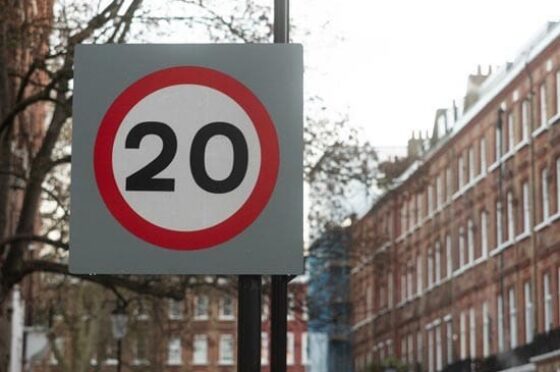
A pedestrian hit at 20mph is around five times more likely to survive than if they were hit at 30mph. Slower speeds also help prevent crashes because drivers have more time to react and stop safely.
Manchester’s strategy focuses on reducing vehicle speeds, particularly on residential streets and in areas where collisions are common. They highlight this as an important step in making roads safer for everyone (page 8).
Could fewer cars lead to safer roads?
The RAC state that there are now more than 41 million vehicles on UK roads.
- Fewer cars = Fewer opportunities for collisions
Lower traffic volumes would reduce interactions between vehicles and vulnerable road users, such as motorcyclists, pedestrians and cyclists. In 2024, pedestrian fatalities increased compared with 2023 and outnumbered motorcyclist deaths and pedal cyclists.
- Lower speeds and less congestion
Better reliability and increased use of public transport could reduce the number of cars on the road, leading to lower driving speeds, improved visibility, and more space for walking and cycling infrastructure. This could help protect vulnerable road users and reduces the risk of collisions.
But what key goals are supported by public transport improvements?
Goal 3.6: Reduce Road traffic deaths by 50% by 2030
How?
- Reducing traffic volumes by shifting people from higher-risk modes (cars, motorcycles) to safer public transport.
- Better bus infrastructure, including bus lanes and safer pedestrian crossings.
- Lower speed limits on high-risk urban roads such as residential streets, town centres and school zones.
Goal 11.2: Provide safe, inclusive, and sustainable transport
How?
- More affordable transport options so everyone can travel safely.
- A more reliable, accessible public transport network, with well-connected routes that are easy for all users to reach and use.
Sarah Ouko commented on this matter:
“Reducing car dependency could have a direct impact on road safety in the UK. Lower traffic volumes mean fewer vehicle-to-vehicle and vehicle-to-pedestrian interactions. It would reduce congestion, discourage speeding and other dangerous driving behaviours. In short, fewer cars on the road means fewer opportunities for collisions and fewer families facing the impacts of a serious road traffic collision.”
Safer Roads Is Our Vision
At Fletchers Solicitors, our commitment in legally supporting those injured goes hand-in-hand with advocating for safer roads. From our work supporting clients who have suffered traumatic injuries from a road traffic collision, including amputations, spinal injuries, brain injuries and tragic losses, one thing is clear, most catastrophic outcomes could have been prevented.
At Fletchers Solicitors, we wholeheartedly support initiatives that reduce RTCs and public transport improvements align with our vision of safer roads for all.
“Working with people affected by serious road collisions shows how much is at stake. If better public transport leads to fewer cars on the road, it could reduce the number of families facing life-changing injuries. That’s the outcome we want to see.”
Sarah Ouko, Associate & Serious Injury Solicitor, Fletchers Solicitors
Our awards
-

THE TIMES BEST LAW FIRM
-
CHAMBERS TOP RANKED LAW FIRM
-
LEGAL 500 TOP TIER FIRM
-
ARMED FORCES COVENANT
-
AVMA - LAWYERS’ SERVICE MEMBER
-
HEADWAY ACCREDITED SOLICITORS
-
SIA - TRUSTED LEGAL PARTNER
-
CBIT - TRUSTED LEGAL PARTNER











Start your claim with confidence
Not sure where to start? We’ll listen, guide you, and give clear, honest advice on what to do next.