Seatbelt law and the consequence of not wearing one

Wearing a seatbelt is one of the simplest ways to protect yourself and others in a vehicle. In this guide, Matthew Claxson explains the legal requirements for wearing a seatbelt, the potential penalties for not doing so, and the impact it can have on a personal injury claim following a road traffic collision.
In this guide we discuss:
- Why wearing a seatbelt matters
- Seatbelt law and legal responsibilities
- Exceptions to seatbelt requirements
- What the Highway Code says
- How not wearing a seatbelt can affect a compensation claim
Why is wearing a seatbelt important?
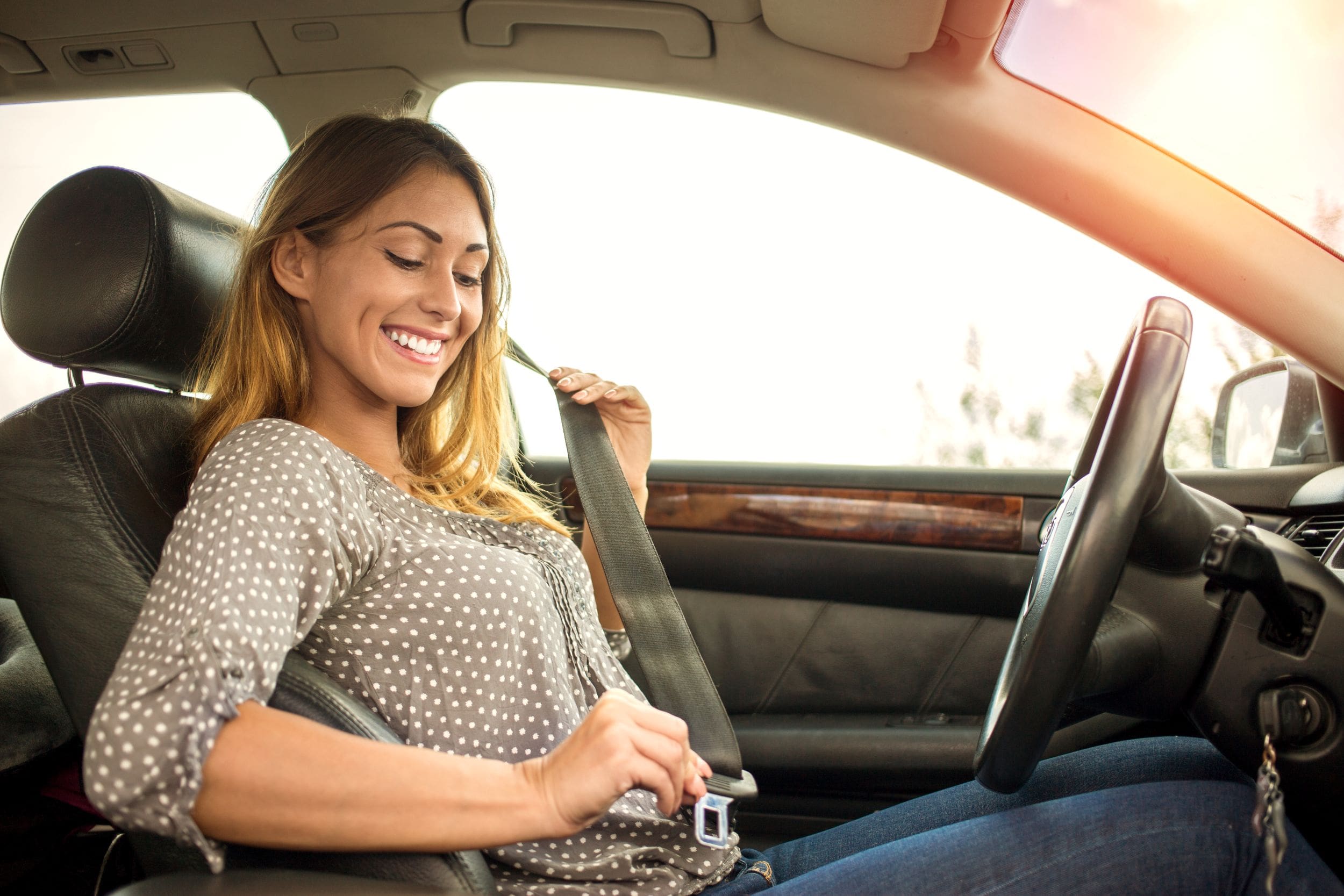
It is well established that where seatbelts are fitted in a vehicle, they should be worn.
Government guidance states that seatbelts must be worn where fitted, with only a limited number of exceptions. While seatbelt wearing rates remain high, people who do not wear a seatbelt continue to be disproportionately represented in road fatalities. The latest figures show that 21% of car occupant fatalities in reported road collisions involved someone who was not wearing a seatbelt.
Wearing a seatbelt helps protect not only your own safety, but the safety of others in the vehicle.
A rear-seat passenger who is not wearing a seatbelt may be thrown forward during a collision, causing additional injury to the driver or front-seat passenger. Similarly, a driver or front-seat passenger who is not wearing a seatbelt may be propelled through the windscreen.
This is particularly important for passengers, as injuries sustained in a collision may affect a future passenger accident claim.
Key Information
- Protect yourself Seatbelts can reduce the severity of injuries
- Protect others Unrestrained passengers can injure other occupants
- Compensation impact Not wearing a seatbelt may reduce damages awarded
What does seatbelt law say?
Drivers are responsible for wearing their own seatbelt and for ensuring that passengers under the age of 14 are using the correct restraint. Passengers aged 14 and over are responsible for wearing their own seatbelt.
If the passenger is a child, the driver must ensure they are travelling in the correct child seat until they reach either:
- 135cm in height, or
- Their 12th birthday
whichever comes first.
A child must wear a seatbelt if they are 12 or 13 years old, or younger and over 135cm tall.
What are the penalties for not wearing a seatbelt?
A failure to wear a seatbelt could result in:
- A fine of up to £500 if the matter proceeds to court
Are there any exemptions?
There are limited circumstances where a person may be exempt from wearing a seatbelt, including:
- A driver who is reversing, or supervising a learner driver who is reversing
- Vehicles used for police, fire and rescue services
- A passenger in a trade vehicle investigating a fault
- Driving a goods vehicle on deliveries travelling no more than 50 metres between stops
- A licensed taxi driver who is plying for hire or carrying passengers
- A person holding a Certificate of Exemption from Compulsory Seat Belt Wearing for medical reasons
If a vehicle was originally manufactured without seatbelts, such as some classic cars, different rules apply to child passengers.
What does the Highway Code say?
Rule 99 of the Highway Code provides a summary of the legal requirements for wearing seatbelts in cars, vans and other goods vehicles.
How can not wearing a seatbelt affect a compensation claim?
Having established that failing to wear a seatbelt may be a criminal offence, it can also have consequences for a personal injury claim.
The issue was considered in the case of Froom v Butcher [1976] QB, which established the following guidance:
- If the seatbelt would have made no difference to the injuries, no deduction is made
- If the seatbelt would have reduced the injuries suffered, a deduction of 15% is made
- If wearing the seatbelt would have avoided the injuries entirely, a deduction of 25% is usually made
This means that even if another driver was responsible for a collision, compensation may be reduced if not wearing a seatbelt contributed to the severity of the injuries.
This is a form of contributory negligence, where a person’s actions may contribute to the extent of the injuries suffered.
Example
If compensation is valued at £1,000,000 but a 15% reduction is applied because a seatbelt was not worn, the final award would reduce to £850,000.
If the belt would have reduced the injuries, then a deduction of 15% is made. If the wearing of the belt would have avoided the injuries completely, then a deduction of 25% is usually made.
Protecting yourself and others travelling with you
Wearing a seatbelt saves lives and can reduce the severity of injuries sustained during a road traffic collision.
As Matthew Claxson explains, taking a few moments to fasten a seatbelt can make all the difference should the unexpected happen.
How Fletchers can help
If you have been injured in a collision, our team can advise on your options and whether you may be able to pursue a car accident claim.
Our specialist road traffic accident lawyers support people who have been injured in collisions, including cases where seatbelt use becomes a factor in a compensation claim.
Latest guides



A national team, here when you need us
With offices across the UK, we’re never too far away, helping people access specialist advice and support wherever they are.
You're in safe hands
-

THE TIMES BEST LAW FIRM
-
CHAMBERS TOP RANKED LAW FIRM
-
LEGAL 500 TOP TIER FIRM
-
ARMED FORCES COVENANT
-
AVMA - LAWYERS’ SERVICE MEMBER
-
HEADWAY ACCREDITED SOLICITORS
-
SIA - TRUSTED LEGAL PARTNER
-
CBIT - TRUSTED LEGAL PARTNER










Start your claim with confidence
Not sure where to start? We’ll listen, guide you, and give clear, honest advice on what to do next.