Cycle safety

Cycle safety: practical tips for safer cycling
Cycling can be an enjoyable way to travel, particularly when the weather is good. But cyclists often share the road with cars, other vehicles and pedestrians, which makes awareness and consideration important for everyone.
What this guide covers:
- Preparing your bike and yourself before setting off
- Staying alert to hazards while cycling
- What to consider if you are injured while cycling
Sharing the road safely
Drawing on his experience as both a keen cyclist and a serious injury solicitor, Matthew Claxson shares practical steps cyclists can take before and during a journey, as well as what to consider if something goes wrong.
Cyclists range from experienced riders with specialist bikes and equipment to people who only occasionally get their bike out. Whatever your level of experience, there will be times when you need to share the road with other traffic.
Matthew Claxson is a keen cyclist as well as a car driver and pedestrian. His experience from each perspective has shown him how the decisions one road user makes can affect another. Ultimately, everyone has the same objective: getting from one place to another safely.
Key bike safety tips
Things to bear in mind
- Check your bike Check your tyres, brakes & chain
- Plan your route Know where you're going
- Look out for hazards Adjust your speed accordingly
Two experiences that highlight the risks
Two incidents have stayed with Matthew and demonstrate why awareness matters for cyclists and other road users.
On one occasion, Matthew was cycling along a relatively straight country road in Hampshire, with enough room for two cars abreast. A driver overtaking in a 4×4 passed so close to his bike that he was almost pushed off the road, despite there being no other traffic at the time.
On another occasion, Matthew was a pedestrian on The Strand in London. He started crossing at a zebra crossing after the traffic had stopped, but a cyclist filtering between the stationary cars passed so close that Matthew’s glasses were almost knocked off. A police car was among the vehicles that had stopped and the cyclist was given a firm warning.
One road, different perspectives
Experiencing the road as a cyclist, driver and pedestrian provides a useful reminder that road safety is not only about our own journey. It is also about considering how our actions could affect the people around us.

Eight practical cycle safety tips
Matthew recommends a number of practical steps based on his own cycling experience. This is not an exhaustive list, but it can provide a useful starting point when preparing for a ride.
1. Check your bike is in good condition
Before setting off, make sure your bike is properly maintained. A tyre in poor condition or a badly maintained chain could leave you pushing your bike home, potentially along a busy road.
2. Check your reflectors and lights
Do a quick check before your journey. Make sure your reflectors are clean and, if you are using lights, check that their batteries are working.
3. Think about what you are wearing
Consider how visible you will be to other road users. Matthew suggests avoiding dark colours and notes that fluorescent clothing is a common choice for cyclists.
4. Eat before you set off
Matthew recommends having something to eat before your ride or taking a snack with you, to help avoid dizzy spells while cycling.
5. Take water with you
Check that your water bottle is full before leaving. Cycling can be thirsty work, particularly when you are riding uphill.
6. Plan your journey
Knowing your route before setting off can help you prepare for the journey. Where cycle paths are available, consider whether you can use them as an alternative to roads without dedicated cycling routes.
7. Look ahead for potential hazards
Pay attention to what is happening further along the road. Matthew looks ahead and then works back, watching for potholes that could damage his bike or cause him to fall, pedestrians who may enter the road and other vehicles.
8. Adjust your speed
If you identify a potential hazard, adjust your speed as you approach it so that you can stop if necessary.
“I don’t suggest the above is an exhaustive list but from my own experience it is a helpful start.”
Learning from other cyclists
Matthew also highlights the value of sharing knowledge with other cyclists. As a member of a cycling club, he has found that clubs can be a source of information about ways to improve the cycling experience.
He is also a member of Cycling UK, alongside his experience as a keen cyclist and serious injury solicitor.
When something goes wrong
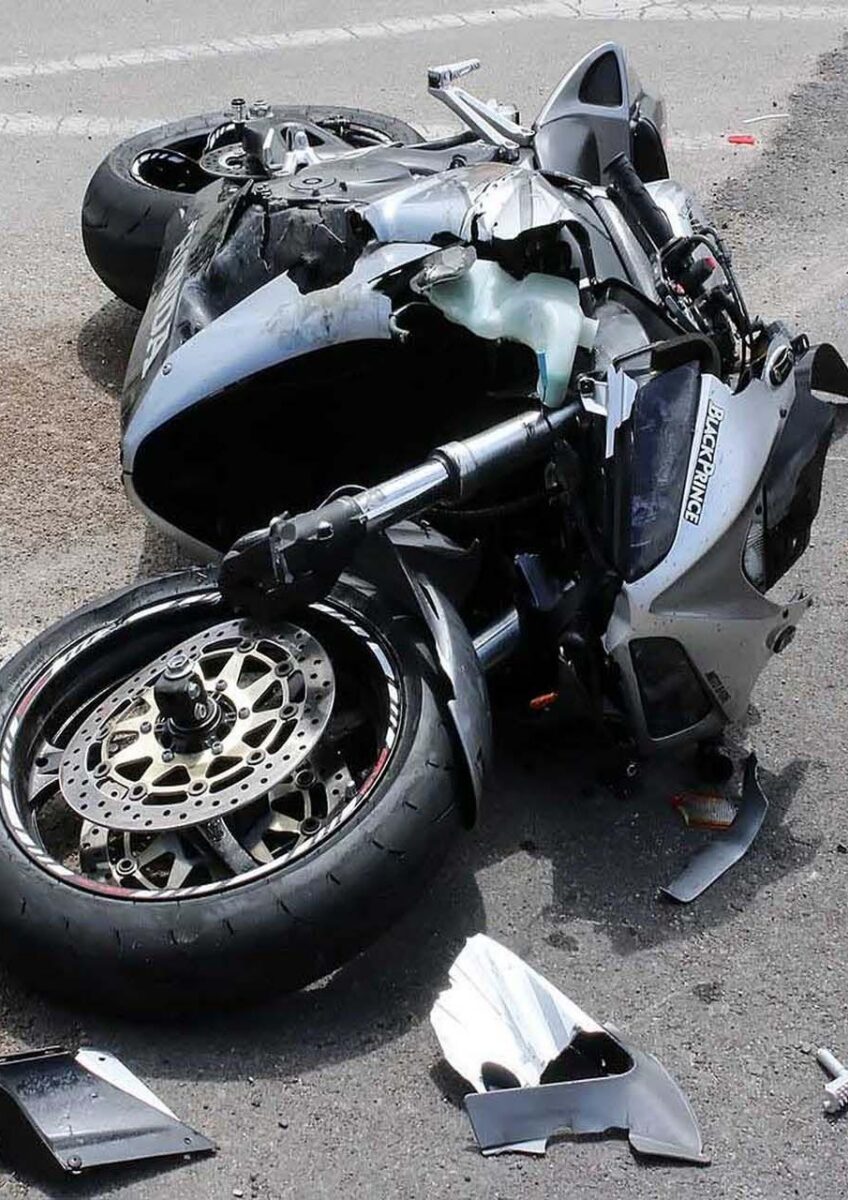
Even when cyclists take steps to prepare and stay alert, incidents can still happen.
Matthew has acted for cyclists injured in incidents involving motor vehicles, defects in the carriageway and, on occasion, other cyclists. The original guide notes that the injuries suffered by cyclists can be very serious.
If you have been injured while cycling and are unsure about your legal position, you do not have to work it out alone. Taking legal advice can help you understand your circumstances and what options may be available to you.
Speak to Fletchers about a cycling injury
If you have suffered a serious injury while cycling, our team can listen to what happened and help you understand your options.
Matthew’s original advice remains a useful starting point: if something does go wrong, do not be afraid to seek a legal opinion.



A national team, here when you need us
With offices across the UK, we’re never too far away, helping people access specialist advice and support wherever they are.
You're in safe hands
-

THE TIMES BEST LAW FIRM
-
CHAMBERS TOP RANKED LAW FIRM
-
LEGAL 500 TOP TIER FIRM
-
ARMED FORCES COVENANT
-
AVMA - LAWYERS’ SERVICE MEMBER
-
HEADWAY ACCREDITED SOLICITORS
-
SIA - TRUSTED LEGAL PARTNER
-
CBIT - TRUSTED LEGAL PARTNER











Start your claim with confidence
Not sure where to start? We’ll listen, guide you, and give clear, honest advice on what to do next.