The hidden impact of serious road traffic collisions – through the eyes of a police liaison officer

Adam Rigby, our Police Liaison Coordinator, brings years of experience from the Serious Collision Investigation Unit and his work as a Family Liaison Officer. That background means he understands, in a very real way, what families face in the days and weeks after a catastrophic or fatal collision.
This guide will discuss:
- Emotional impact of sudden trauma and grief
- Hidden pressures families face in the early days
- Practical challenges around work, childcare and finances
- Criminal processes and what families can expect
- Policing insight from our liaison coordinator
- Support organisations who walk beside families
- Early legal guidance and how it helps
Adam’s guidance for families whose lives have been changed by a serious road traffic collision.
As Police Liaison Coordinator, Adam draws on his experience as a police officer, Serious Collision Investigation Unit investigator and Family Liaison Officer to support families after a catastrophic or fatal collision. His role is to strengthen Fletchers relationships across the policing community and to work closely with Police Investigators and Family Liaison Officers so families receive clearer communication at a time when everything feels unfamiliar.
When a loved one is involved in a serious road traffic collision, the impact reaches far beyond the scene. Families can suddenly find themselves navigating shock, grief, hospital treatment, practical decisions and uncertainty about what happens next. In the space of one day, the life they knew can change in ways they never expected.
Adam helps bridge the space between police processes and the civil legal journey. He provides insight into policing procedures, explains how these may interact with a civil claim and supports our legal teams where cases overlap with the criminal justice system. He has seen first hand how important clear communication is during this time. Early guidance can ease some of the pressure families carry and small moments of clarity can make a difficult situation feel more manageable.
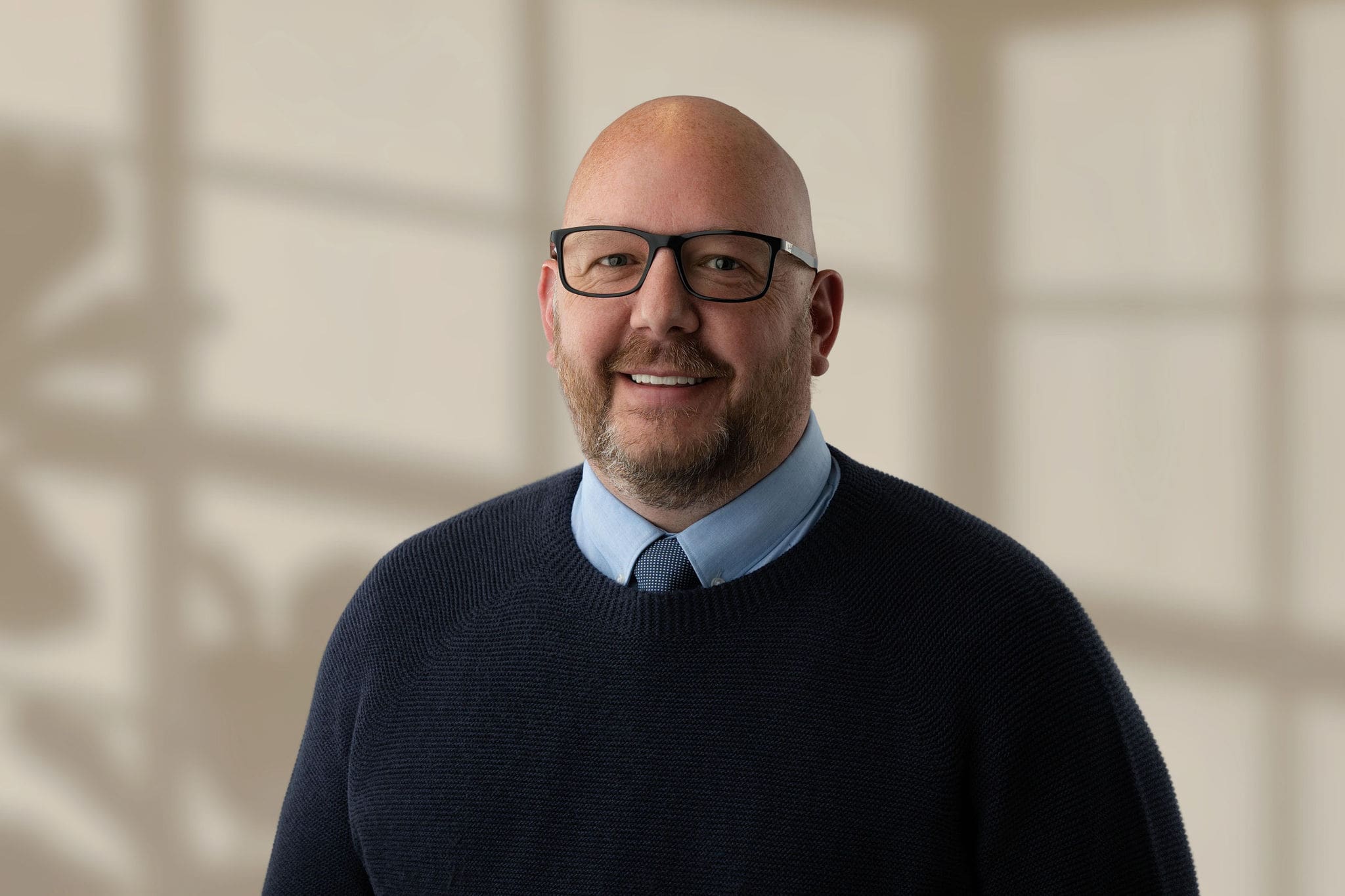
In Adam’s words:
“Around 5 people are killed and 80 seriously injured on UK roads every day. Over a year, that's enough people to fill a football stadium. Now imagine how many more stadiums would be needed to hold the families and friends whose lives have also been changed forever.”
Adam Rigby
Police Liaison Coordinator
The reality behind the headlines
Every year, thousands of families across Great Britain face life‑changing trauma because of road collisions.
The latest DfT road casualty statistics show the scale of the impact:
- Over 1,500 people were killed on the roads in 2025
- Nearly 30,000 people were seriously injured
On average, five people die and more than eighty are seriously injured on UK roads each day.
Behind each number is a family suddenly thrown into crisis. A partner who doesn’t know how to tell their children, and relatives rushing to hospitals, with hours spent waiting for updates that feel unbearably long. These statistics are not just data points, they represent real people, real families, and the hidden impact that serious road collisions have on lives across the country.
The Victims Commissioner’s Forgotten Victims report makes it clear that the trauma of a road collision is often made worse by what happens afterwards. Many families described feeling left in limbo, waiting far too long for updates and having to chase for basic information at a time when they were already struggling to cope. Adam has seen this reality throughout his policing career, and he knows how slow communication and uncertainty can turn an already devastating event into something even heavier for the families living through it.
A victim‑centred approach would place families at the heart of every decision, ensuring communication is clear, support is consistent and no one feels forgotten in a system they never chose to enter. The report calls for this kind of change, with recommendations focused on clearer updates, better signposting and more coordinated support for families after a collision.
Adam comments on the Forgotten Victims report:
“The Forgotten Victims report from the Victims’ Commissioner is very welcome. After years working with these forgotten victims, I believe its six recommendations will be a positive step. We must remember we are all working for the same victim, and only a truly victim‑centred approach will help people feel heard and valued in a system they never chose to be part of.”
Adam Rigby
Police Liaison Coordinator
When life changes without warning after a serious road traffic collision
A serious collision can affect the whole family, not just the person who was injured. The early days often feel disorientating with a blur of hospital visits, police updates, unanswered questions, and the pressure to stay strong for everyone else. Sudden bereavement can bring a range of difficult emotions and reactions, as the NHS explains.
Through our work, we see families finding themselves:
- Trying to understand medical information while still in shock
- Making urgent decisions about treatment, care, or funeral arrangements
- Managing work, childcare, finances, and the home under sudden strain
- Dealing with criminal investigations or inquests without knowing what to expect
- Feeling lost as they try to balance caring for the injured person with everything else that now demands their attention
Grief is not linear and everyone copes in their own way. There can be frustration or anger too, especially when nothing feels within your control.
When a loved one is fatally or seriously injured in a road traffic collision, someone in the family often becomes the default decision maker. They may need to speak with clinicians, coordinate care, manage paperwork or act as the main point of contact for police and support organisations. This responsibility arrives suddenly, without preparation, at a time when emotional exhaustion is already overwhelming.
Sudden and traumatic bereavement brings no chance to prepare. Research shows that this kind of loss can lead to complex grief responses, major disruption to mental health and a level of shock that affects every part of family life.
How families are affected by fatal or serious road collisions
When someone dies or is seriously injured in a collision, the focus often falls on the immediate next of kin. But the impact reaches every close family member who is living through the same shock and grief. Research shows that sudden RTC bereavement creates a ripple effect across the whole family, often placing strain on communication, relationships and day‑to‑day coping.
Many families of RTC victims we have represented describe feeling forgotten and unsure what they are entitled to or how to move forward. Families also tell us that support can be limited or inconsistent, or that they feel left to manage everything alone. The research we have drawn on reflects this too, with some families receiving no signposting at all and feeling dismissed or unsupported when clarity and compassion were most needed.
Sudden and traumatic bereavement of this kind is known to intensify grief responses and increase the emotional load on the whole family.
Pressures families face after a serious road collision
Alongside the emotional shock, families often face sudden practical pressures that arrive without warning. These can include:
- Time off work
- Reduced income
- Travel costs to hospitals
- Childcare challenges
- Sudden expenses
- Long‑term uncertainty
For many families, these worries sit quietly in the background at first. You may be focused entirely on the person who is injured or simply trying to get through each day. But as the weeks unfold, the financial strain can become harder to ignore. It’s common to feel anxious, guilty, or unsure about asking for help – especially when everything already feels overwhelming.
What matters is knowing that support does exist, and you are allowed to find out what you might be entitled to. Some families choose to speak with a legal team early on, even while medical treatment or investigations are still underway. Not because they feel ready, but because they need a clearer sense of what help is available and what their future might look like.
Understanding your options can bring a small sense of steadiness at a time when so much feels uncertain. It’s simply a way of making sure you and your family have the support you need as you navigate whatever comes next.
Criminal investigations and inquests after a road traffic collision
Adam’s background as a Family Liaison Officer means he understands how disorientating these stages can feel, especially when families are waiting for updates that arrive slowly.
Families may be pulled into formal processes including:
- Police investigations.
- CPS decisions
- Inquests
- Court hearings
- Contact with victim liaison officers.
Each stage has its own pace and its own demands. Families often tell us that they felt unprepared for this part. Not because they couldn’t cope, but because no one had explained what might happen or how long things could take. It’s common to feel unsure where to turn for information or support.
You’re not expected to navigate any of this alone. Having clear guidance can help you understand what each stage means for you and your family, and what support is available as things progress. Knowing what to expect, even in small steps, can make the process feel a little less heavy.
From Adam’s experience:
“When families are suddenly pulled into this unfamiliar world, one of the first things they ask is what the process will involve. Managing that expectation was one of the hardest parts of my role. The uncertainty can feel the heaviest. When communication isn’t clear or families don’t know what’s happening next, they can feel stuck, unable to rebuild or look ahead. That’s why steady support matters. A civil solicitor can play a big part in this time, walking with families through the process and helping them feel less alone.”
You are not alone: Support organisations for bereaved families
In the early days after a fatal or serious collision, it can be hard to know where to turn or who to speak to. Alongside legal guidance, there are organisations whose sole purpose is to stand beside families, offering support when life feels at its most fragile.
These charities provide emotional space, practical help, and the reassurance of speaking with people who understand this kind of loss:
- Road Victims Trust: A specialist emotional and practical support for families affected by fatal and life‑changing collisions
“Our partnership with Fletchers Solicitors is an important part of that journey. By working together, we can help ensure that victims and their families receive not only specialist legal advice when they need it, but also the emotional and wellbeing support that is so vital as they begin to adapt to a new normal.”
Paul Cook, Chief Executive, Road Victims Trust
- Brake: A national charity offering bereavement guidance, advocacy, and practical information
- SCARD: With helplines, peer support, and guidance for people affected by road death or injury
- Aftermath Support: Offering emotional and practical assistance for those affected by road traffic incidents
Early legal guidance after a serious road traffic collision
Many families aren’t sure what support is available to them in the early days after a fatal or serious collision. Most families are focused entirely on their loved one and the immediate aftermath. Legal advice often isn’t the first thing people think about, and many aren’t aware of how early guidance can shape what happens next. It can be difficult to know where to begin, especially when everything already feels uncertain.
Early advice can help you:
- Protect financial stability
- Understand your rights
- Navigate formal investigations
- Preserve important evidence
- Find a sense of direction when life has been disrupted
- Access interim payments and rehabilitation if they are needed to support recovery
Legal support after an RTC isn’t about making big decisions before you’re ready. It’s about giving you clear information, guidance, and protection at a time when so much feels out of your control.
How we support families at Fletchers
Our Serious Injury team works with families who are facing the most difficult moments of their lives. We understand the emotional, practical, and financial strain that follows a serious collision, and we work alongside you, not just through the legal case, but through the wider journey.
Adam’s experience supporting families during police investigations also helps us ensure communication is clearer and more consistent, so families feel steadier at every stage of the process.
We’ve helped families:
- working alongside families while police investigations continue
- understanding the relationship between criminal and civil proceedings
- securing rehabilitation
- helping with immediate financial needs/interim payments
- investigating liability and preserving evidence
- working with experts where long-term care or rehabilitation is needed
You don’t need to wait for answers or outcomes before speaking to us. If your loved one has been seriously injured or killed in a road traffic collision, we can help you understand your options and take the next step when you’re ready.
A final message for families affected by road traffic collisions
If you are reading this because your family has been affected by a serious collision,
please know this:
- You are not expected to have all the answers.
- You are not expected to be strong all the time.
- You are not expected to navigate this alone.
- Support exists. Guidance exists. And there is a way through this.
And when you feel ready, we are here to help you take the next step.
Words from Adam
“I have supported families through some of the most difficult times in their lives, this gave me a strong appreciation of the challenges victims face beyond the police and coronial processes.”
Adam Rigby







Start your claim with confidence
Not sure where to start? We’ll listen, guide you, and give clear, honest advice on what to do next.