Why reporting medical conditions to the DVLA can save lives on our roads

If you have a medical condition that could affect your ability to drive safely, you may need to tell the DVLA. This guide explains which conditions you need to report, when you may need to surrender your licence, and the risks of failing to do so.
In this guide...
- How medical conditions can affect your ability to drive safely
- Which medical conditions you need to report to the DVLA.
- When you may need to surrender your driving licence.
- The consequences of failing to report a medical condition.
- How reporting medical conditions can help keep our roads safe.
- Why reporting medical conditions matters for road safety
How medical conditions can affect your ability to drive safely
Being told that a medical condition could affect your ability to drive can be difficult to hear. Driving may be an important part of your everyday life, so the possibility of losing your licence can be worrying.
However, some medical conditions can affect your ability to drive safely. Reporting a relevant condition allows the Driver and Vehicle Licensing Agency (DVLA) to assess whether you meet the medical standards for driving and whether it needs to restrict or withdraw your licence.
The consequences of failing to report a condition can be serious. In the fatal collision involving motorcyclist Ross Goulding, the driver responsible had previously been advised by a medical professional not to drive and to contact the DVLA. He did neither and continued driving.
The case highlights why reporting a medical condition matters. Although the condition may not have caused the collision, reporting it could have meant the driver was no longer on the road.
Key information
Facts and highlights
- Up to £1,000 The maximum fine for failing to report a relevant medical condition.
- Three months or more You must surrender your licence if your doctor advises you to stop driving for this period.
- Safety comes first The DVLA assesses whether you meet the medical standards for driving.
Which medical conditions must you report to the DVLA?
If you hold a driving licence, you must tell the DVLA if you develop a medical condition that could affect your ability to drive safely. You must also report a condition that has worsened since you obtained your licence.
Conditions that may need to be reported include diabetes, epilepsy, strokes, heart conditions, sleep apnoea, fainting and glaucoma.
You also need to provide the relevant information when applying for your first licence or renewing it at age 70 or over.
If you’re unsure whether your condition needs to be reported, you can check the official government guidance.
When might you need to surrender your driving licence?
If a medical professional advises you to stop driving because of your medical condition, you need to take that advice seriously. You must surrender your licence if your doctor tells you to stop driving for three months or more.
This can be difficult news, particularly if you rely on driving to get to work or manage everyday responsibilities. However, following medical advice helps protect you and other road users.
You can apply to get your licence back when you meet the medical standards for driving again.
What are the consequences of failing to report a medical condition?
Failing to tell the DVLA about a condition that could affect your ability to drive safely can have serious consequences. You could face a fine of up to £1,000. You could also face prosecution if you’re involved in a collision as a result of your medical condition.
The consequences can extend far beyond a fine. Continuing to drive when it’s unsafe can put lives at risk and cause serious injury or bereavement for families.
In the collision involving Ross Goulding, the driver had been advised not to drive in 2019 but continued to do so. He later renewed his licence without notifying the DVLA of his condition. Following the collision in June 2021, the DVLA withdrew his licence on medical grounds before the criminal trial.
The original article notes that the medical condition may not have caused the collision. However, had the DVLA been notified earlier, the driver may not have been driving when it happened.
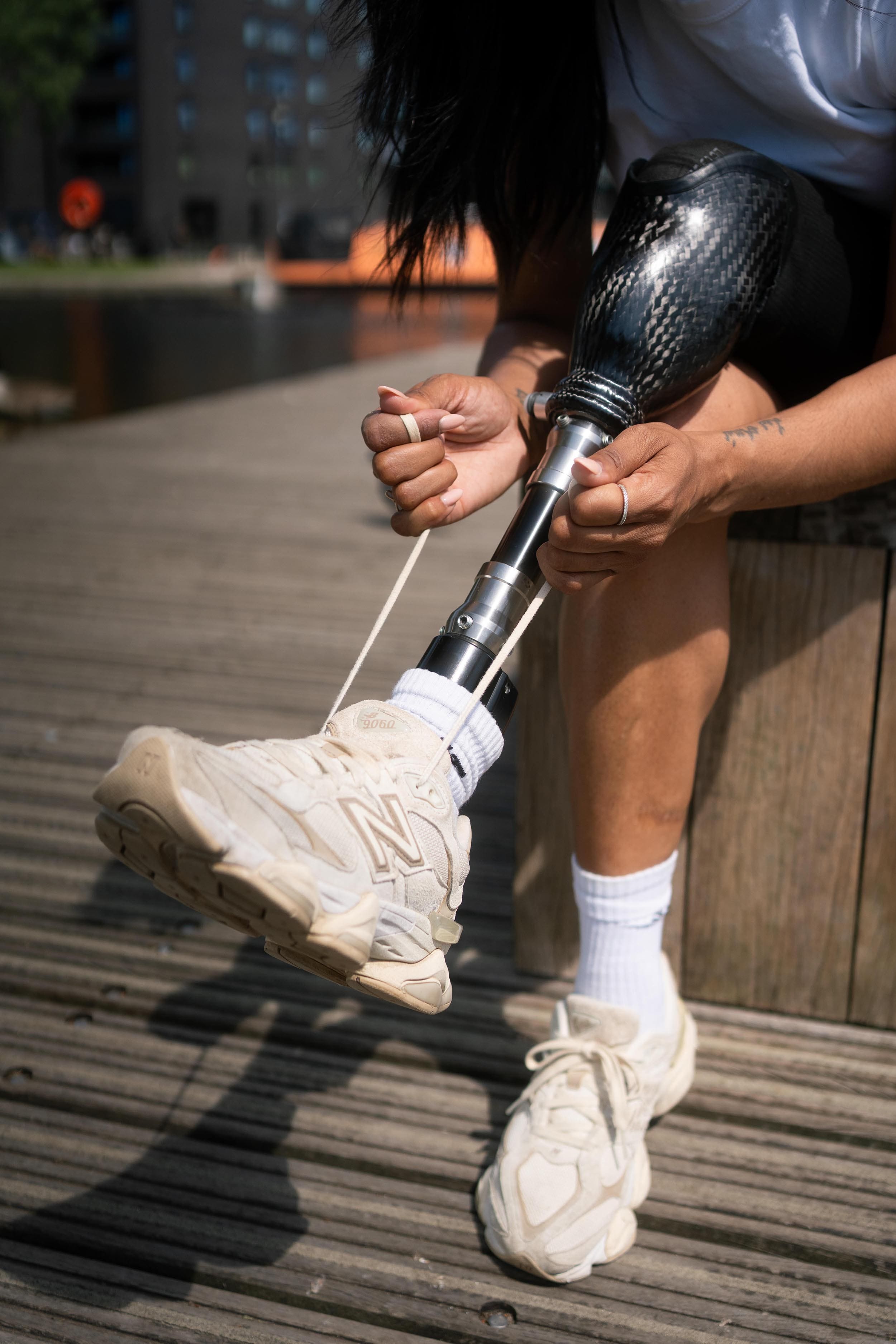


Check whether your medical condition needs reporting
If you’re unsure whether your condition could affect your ability to drive safely, don’t guess. Check the official government guidance to understand your responsibilities.
Check your condition: GOV.UK – Health conditions and driving
The DVLA can assess your circumstances and decide whether you meet the medical standards for driving.
It is the responsibility of all motorists to ensure that they abide by the rules of having a driving licence.
Reporting medical conditions helps protect everyone on the road
Reporting a medical condition that could affect your driving is an important responsibility. It allows the DVLA to assess whether you can continue driving safely and whether any restrictions are needed.
If a medical professional has advised you to stop driving, follow that advice and contact the DVLA as required. Losing your licence can be difficult, but protecting your safety and the safety of other road users must come first.
If you or someone close to you has suffered serious injuries or bereavement following a road traffic collision, you may also need support to understand what happens next. Fletchers’ specialist team can explain the legal options available and help you take the next step.
Here for you in the moments that matter
A serious road traffic collision can change lives in an instant. At Fletchers, we understand the impact a collision can have on injured people and their families. Our specialist team can help you understand your legal options and access support focused on your recovery.
Find out more about our road traffic accident claims and contact us today for a free, no obligation conversation.
Latest guides





A national team, here when you need us
With offices across the UK, we’re never too far away, helping people access specialist advice and support wherever they are.
You're in safe hands
-

THE TIMES BEST LAW FIRM
-
CHAMBERS TOP RANKED LAW FIRM
-
LEGAL 500 TOP TIER FIRM
-
ARMED FORCES COVENANT
-
AVMA - LAWYERS’ SERVICE MEMBER
-
HEADWAY ACCREDITED SOLICITORS
-
SIA - TRUSTED LEGAL PARTNER
-
CBIT - TRUSTED LEGAL PARTNER







Start your claim with confidence
Not sure where to start? We’ll listen, guide you, and give clear, honest advice on what to do next.