Hypoxic brain injury claims
A hypoxic brain injury can change life completely, for you and your family. If someone else's negligence caused that injury, you may be able to make a claim.
-
-
 TOP-RANKED LEGAL EXPERTS
CHAMBERS & LEGAL 500
TOP-RANKED LEGAL EXPERTS
CHAMBERS & LEGAL 500 -
NO WIN, NO FEE




Can I make a hypoxic brain injury claim?
Hypoxic brain injury claims can be made when you, or a loved one, has suffered a brain injury caused by reduced or insufficient oxygen supply to the brain – and someone else was responsible. Whether the injury is described as hypoxic (reduced oxygen) or anoxic (complete oxygen deprivation), the impact on daily life, independence, and family can be profound and lasting.
You may be able to make a claim if the injury resulted from a road traffic accident, a workplace accident, an accident in a public place, or a criminal assault. Claims can be made against an employer, a driver, a property owner or occupier, or – in the case of a criminal act – through the Criminal Injuries Compensation Authority.
We understand the huge impact a hypoxic brain injury can have. These type of injuries are often life changing, causing long-term impacts that can be difficult to come to terms with and navigate. We want to guide you through this.
If you’re unsure about the circumstances of your injury, or if some time has passed since it happened, it’s still worth speaking to us. In most cases you have three years from the date of the injury – or from when you became aware of it – to bring a claim. We’ll always give you an honest assessment of your options.
Example of a hypoxic brain injury claim
Imagine a driver involved in a serious road traffic collision who is left trapped in their vehicle and deprived of oxygen for a prolonged period due to airway obstruction or delayed emergency intervention. They subsequently suffer a hypoxic brain injury, resulting in permanent neurological damage. If the evidence shows that negligent actions before, during, or after the accident contributed to the lack of oxygen and that prompt treatment could have prevented or reduced the injury, this could be a valid hypoxic brain injury claim against the responsible party.
Related hypoxic brain injury claims we support
Expertise you can trust
- 9/10 clients would recommend us
- Dedicated rehabilitation and wellbeing team
- Securing interim payments to ensure early access to support
What compensation can help with


Funding the support and security your family needs.
Securing compensation after a hypoxic brain injury can help make sure you and your family have the financial security you need to access the right care, equipment, and support you need to live well – whether in the immediate term or across a lifetime.
A successful hypoxic brain injury claim may help fund:
- Specialist care and 24-hour support where needed
- Rehabilitation and physiotherapy
- Specialist equipment and assistive technology
- Home adaptations and mobility support
- Loss of earnings, including future financial losses
- Pain, suffering, and loss of quality of life
- Psychological support and counselling
- Travel and transport costs connected to your recovery and care
Understanding the potential value
Every case is assessed individually, drawing on expert evidence across a range of specialisms – including neurology, neuro-radiology, care, and occupational therapy – to build the most accurate picture of your needs and losses. The value of a claim depends on the severity of the injury, the level of care required, the impact on the person’s ability to work and live independently, and complex factors such as life expectancy. Catastrophic cases – where a person requires full-time care – can result in settlements exceeding millions of pounds.
Understanding interim payments
We understand that waiting for a final settlement can place enormous financial pressure on a family already dealing with the impact of a serious brain injury. Where possible, we work to secure interim payments during the claims process – before the final settlement is reached. These payments usually go directly towards care, treatment, rehabilitation, and the practical changes that allow people to live as independently and comfortably as possible. This means that vital support does not have to wait until a final settlement is reached.


Why choose Fletchers for your hypoxic brain injury claim?
Our solicitors focus on serious and catastrophic injury claims, including hypoxic and anoxic brain injuries. We bring together legal expertise, clinical insight, and genuine care to give every family the best possible chance of a successful outcome. Hypoxic brain injury cases are among the most complex and high-value in personal injury and clinical negligence law. The evidence involved; MRI scans, expert reports from obstetrics, neurology, and neuro-radiology, demand specialist knowledge – areas where we have a genuine track record of success.
Expertise you can rely on
- Decades of combined experience in hypoxic brain injury claims
- Accredited by the Law Society Clinical Negligence Panel
- Recognised by The Legal 500 and Chambers and Partners UK
- Multi-million-pound settlements secured for clients with catastrophic and lifelong brain injuries
- Close working relationships with leading medical experts across obstetrics, neurology, neuro-radiology, neonatology, and neuro-psychology
- Dedicated support for families throughout the process, not just the legal claim
- Trusted by families and professionals who refer clients to us when it matters most
- No win, no fee – so you can pursue your claim without financial risk
You're not alone
We understand how important it is to find answers.
When you, or someone you love, suffer a hypoxic brain injury – the consequences can be lifelong. Suffering such a significant injury, in circumstances that should have been avoided, can be a difficult reality to bear. We know that it is important to understand what went wrong, and hold the appropriate parties to account.
We also know that the financial reality of a serious brain injury can feel overwhelming. The cost of specialist care, equipment, home adaptations, and ongoing therapy can mount up quickly, often at a time when a family is already dealing with shock, grief, and uncertainty about the future.
We’ve supported many clients and families in exactly this position – and we want to take the weight off your shoulders too. When you bring a hypoxic brain injury claim forward, we’ll handle every part of the process. We’ll keep you informed at every stage, and fight for compensation that truly reflects the impact of what has happened – so that you can focus on what matters most.


Rehabilitation support
We go beyond legal advice to support you, not just your case, making sure the right care and practical help are in place throughout the compensation claim process.
A message from our Rehabilitation and Wellbeing Team
We work alongside Fletchers Solicitors’ legal experts – listening carefully to your needs, helping you understand what support is available and creating a personalised recovery plan.
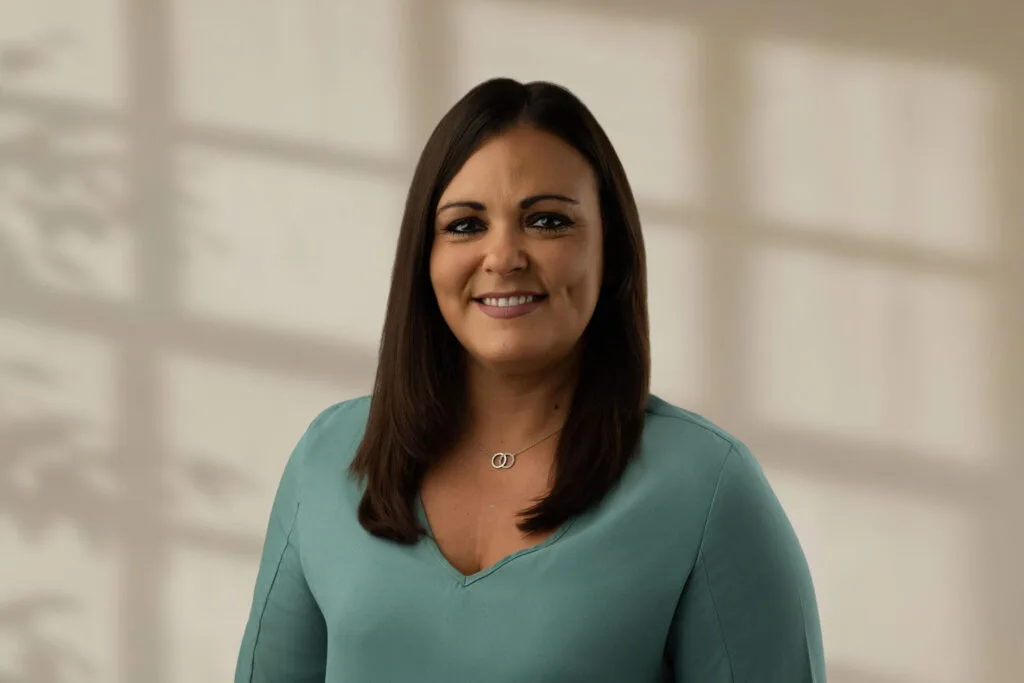
Led by rehabilitation manager Julie Chorlton, we bring together expertise across healthcare, therapy and welfare support, and can help arrange access to treatment and financial support. We also work with accredited mental health professionals, giving you and your family access to counselling quickly.
OUR REHABILITATION & WELLBEING TEAM



FAQs about hypoxic brain injury claims
What is the difference between a hypoxic and an anoxic brain injury?
A hypoxic brain injury is caused by a reduced and insufficient supply of oxygen to the brain. An anoxic brain injury is caused by a complete absence of oxygen. Both can result in serious, life-changing neurological damage. The term hypoxic brain injury is often used to cover both types, and the legal and claims process for each is the same.
How do I know if I have a claim for a hypoxic brain injury?
If you can show that someone else was partly or fully responsible for the injury – whether through negligence, lack of attention, or a deliberate act – you may have a valid claim. The best way to find out is to speak to one of our specialists. We’ll review your situation honestly and let you know whether we think you have a case.
How long does a hypoxic brain injury claim take?
The timeline depends on the extent of the injury and whether a final prognosis can be established at an early stage. In cases involving children, the full picture often doesn’t become clear until the child reaches key developmental milestones – such as walking, self-feeding, and starting school. For this reason, it can sometimes take in excess of five years to reach a final settlement.
This doesn’t mean you have to wait years for any support. We work to secure interim payments throughout the process, so that care, therapy, and rehabilitation can be funded long before the final settlement is agreed.
What complications can arise from a hypoxic brain injury?
Hypoxic brain injuries typically cause a combination of physical and cognitive difficulties. These can include limb weakness, problems with movement, balance and coordination, spasticity or rigidity, and abnormal movements such as tremors. Speech and language difficulties, incontinence, and executive dysfunction are also common.
The most severe hypoxic brain injuries can result in catastrophic, lifelong disability requiring a full-time care regime. Every case is different, and the long-term impact will depend on the nature and extent of the injury.
Is a hypoxic brain injury permanent?
Most hypoxic brain injuries do result in permanent damage, though the extent varies significantly from case to case. By securing appropriate compensation – and accessing the right care, rehabilitation, and support as early as possible – the long-term impact can be made more manageable. Hypoxic brain injury compensation can fund treatment, therapy, specialist equipment, and home adaptations that make a real difference to quality of life.
Can I make a claim on a No Win No Fee basis?
Yes. We handle hypoxic brain injury claims on a No Win No Fee basis. This means you won’t incur any legal fees if your claim doesn’t succeed.
If your claim does succeed, most legal costs are covered by the opposing party. Some costs – such as your insurance policy premium and the success fee – will be paid from the hypoxic brain injury compensation you receive. We’ll explain all costs clearly from the outset, so there are no surprises.


A national team, here when you need us
With offices across the UK, we’re never too far away, helping people access specialist advice and support wherever they are.
You’re in safe hands
-
THE TIMES BEST LAW FIRM
-
CHAMBERS TOP RANKED LAW FIRM
-
LEGAL 500 TOP TIER FIRM
-
ARMED FORCES COVENANT
-
AVMA - LAWYERS’ SERVICE MEMBER
-
HEADWAY ACCREDITED SOLICITORS
-
SIA - TRUSTED LEGAL PARTNER
-
CBIT - TRUSTED LEGAL PARTNER









Start your claim with confidence
Not sure where to start? We’ll listen, guide you, and give clear, honest advice on what to do next.