Partial amputation claims: Legal advice and support

Partial amputation can have significant emotional and physical effects, altering an individual’s life in unimaginable ways. Coping with the aftermath of such a traumatic event requires not only medical attention, but also specialised legal guidance and support, particularly when pursuing partial amputation claims.
At Fletchers Solicitors, we understand the challenges individuals face after partial amputation, which is why we are committed to providing compassionate and expert assistance. Our team is dedicated to guiding clients through their journey to compensation, ensuring they receive the support they need to rebuild their lives. With our experience and dedication, we strive to help our clients achieve the justice they deserve.
What is partial amputation?
Partial amputation refers to the loss of a portion of a limb, often leaving some residual function. It is distinct from total amputation, where the entire limb is severed.
The emotional and physical toll of partial amputation can be significant. Beyond the obvious physical challenges, individuals may grapple with feelings of grief, loss, and frustration as they adapt to their new circumstances. Tasks once taken for granted may become daunting, impacting independence and self-esteem.
Furthermore, the process of rehabilitation can be arduous, requiring patience, determination, and support. At times like these, empathy and understanding are crucial. It’s essential for individuals experiencing partial amputation to have access to resources and support networks that acknowledge their emotional journey and provide the assistance needed to navigate it effectively.
Types of partial amputation
Partial amputations may be necessary in a range of body parts, but mostly occur in the limbs. Each type presents its own challenges in terms of mobility, daily tasks, prosthetic options, and rehabilitation. Likewise, partial amputation claims compensation can vary depending on the type.
The two most common types of partial amputation are foot and hand.
Partial foot amputation
Partial foot amputation can result from various causes, such as traumatic injuries, vascular issues, or medical conditions like diabetes and meningitis. One common concern which comes from having a partial foot amputation is the loss of mobility and balance, as the foot plays a crucial role in stability.
Individuals may find it challenging to walk or perform everyday activities, leading to a significant impact on their quality of life. According to the NHS, the risk of complications such as infections or ulcers may increase too, especially for those with underlying health conditions like diabetes.
For instance, a person with diabetes who undergoes partial foot amputation may face difficulties with wound healing and require specialised care to prevent further complications. Additionally, the psychological impact cannot be overlooked. Individuals may experience anxiety, depression, or a loss of self-confidence due to the changes in their appearance and abilities.
Partial hand amputation
Partial hand amputation commonly occur due to accidents, including machinery accidents, and medical conditions. In our experience, we have helped previous clients who have lost fingers or parts of their hand in a workplace accident involving machinery.
The impact of a partial hand amputation can be substantial, affecting not only physical abilities but also emotional well-being. Tasks that once seemed effortless, like typing on a keyboard or tying shoelaces, can become challenging. Moreover, like those who have had a partial foot amputation, individuals may experience a loss of confidence and struggle with self-image issues.
Rehabilitation typically involves physical therapy to strengthen muscles and improve dexterity, as well as psychological support to cope with emotional challenges.
Other types of partial amputation
Beyond partial foot and hand amputations, there are other types that can occur, each with its own set of challenges and considerations. These may include partial leg, arm, ear, or nose amputations. In some instances, for more minor accidents, a partial finger amputation may also be carried out.
Each type brings unique physical and emotional effects, requiring tailored approaches to rehabilitation and support. For example, partial leg amputations may impact mobility and require specialised prosthetics or modifications to assistive devices. Similarly, partial arm amputations may affect dexterity and daily tasks, demanding adaptive strategies and ergonomic aids.
The importance of specialised legal support for a partial amputation
Specialised legal support is essential when pursuing any type of amputation claim due to the complex nature of such cases. Whether your amputation has been caused by medical negligence or an accident that wasn’t your fault, partial amputation claims involve intricate legal processes, including gathering evidence, assessing liability, and negotiating settlements.
Having a legal team experienced in handling partial amputation claims and cases can significantly increase the chances of achieving a fair outcome and obtaining the compensation deserved.
At Fletchers Solicitors, we understand the importance of providing expert guidance and support during these challenging times. Our client-centric approach begins with offering free initial advice, allowing individuals to understand their legal options without any financial obligation. This empowers our clients to make informed decisions about their next steps, knowing they have a dedicated team of legal professionals on their side, ready to advocate for their rights and best interests throughout the entire claims process.
Causes of partial amputation
Partial amputations can occur due to various causes, often resulting from workplace accidents, medical negligence or road traffic incidents.
- Workplace accidents, such as those involving heavy machinery or hazardous equipment, pose a significant risk of limb injuries leading to partial amputation. Similarly, medical negligence during surgical procedures or delayed diagnosis and treatment of conditions can also result in partial amputations.
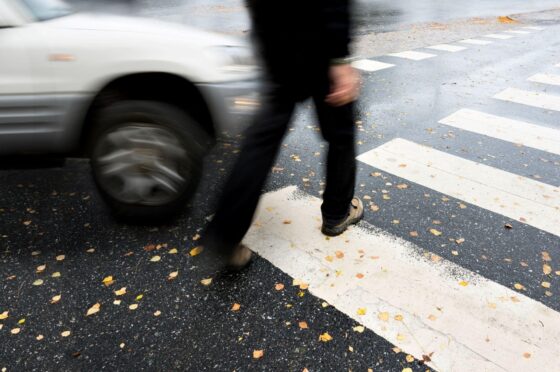
- Road traffic incidents, including motorcycle crashes, or pedestrian accidents, can lead to severe limb injuries necessitating partial amputation.
The impact of partial amputations
A partial amputation can have a significant impact on a person’s life. The recovery process can be lengthy and challenging, requiring extensive medical treatment, rehabilitation, and adjustments to daily routines. Individuals may experience physical limitations, chronic pain, and difficulties with mobility and dexterity, affecting their ability to work, perform household tasks, and engage in recreational activities.
Additionally, the emotional toll of partial amputations cannot be understated. Individuals may suffer feelings of grief, depression, and anxiety as they come to terms with the changes to their body and abilities. The loss of independence and self-esteem can add to these emotional challenges.
Partial amputations may also necessitate significant lifestyle adjustments, including the need to change careers or modify job duties to accommodate physical limitations.
In our experience, clients commonly suffer financially. They may face substantial out-of-pocket expenses for rehabilitation, adaptive equipment, and home modifications to improve accessibility and safety. Loss of income due to temporary or permanent disability can also strain finances, leading to additional stress and uncertainty for individuals and their families.
Navigating partial amputation claims
At Fletchers, we conduct a six-step process when it comes to a partial amputation claim:
- You place an initial enquiry with our team of partial amputation solicitors.
- Our team will review the details of your case and let you know if you could claim compensation.
- Our team conducts a claim investigation on a no-win no-fee basis.
- Medical and expert evidence is gathered and assessed.
- We negotiate your compensation.
- Your compensation is secured.
We outline the claims process further here.
Initial consultation and legal advice
At Fletchers Solicitors, we understand the importance of trust and transparency when seeking legal support. That’s why we offer a free initial consultation process designed to provide prospective clients with valuable insights and guidance.
During this consultation, you’ll have the opportunity to speak with one of our experienced team members who will listen to your concerns, assess the details of your case, and provide personalised advice tailored to your situation.
We believe in setting clear expectations from the outset, ensuring you understand your options, and the potential outcomes of your case. Our goal is to empower you to make informed decisions about your partial amputation claim with confidence.
Whether you’re dealing with a personal injury claim or medical negligence issue, our team is here to provide the support and guidance you need. Schedule your free initial consultation with a Fletchers partial amputation solicitor today and take the first step towards resolving your legal concerns.
Eligibility criteria for partial amputation claims
Generally, eligibility for a partial amputation claim revolves around determining where liability lies. If the accident or injury that led to the partial amputation could have been avoided and fault lies with another party, then you may have grounds for a claim. Examples of this include an employer failing to provide adequate health and safety provisions, another road user causing an accident, or medical professionals acting negligently.
Timelines for filing a claim are usually fixed at three years from your amputation, so it’s crucial to act promptly to ensure legal proceedings are initiated within the necessary timeframe. There are some circumstances in which a claim can be brought forward beyond the three year time limit, such as if the injury was sustained by someone under the age of 18 or someone who has limited mental capacity.
Evidence requirements typically include:
- Medical records detailing the extent of the injury (and previous medical history when pursuing a medical negligence claim)
- Witness statements
- Documentation of the incident
- Any other relevant evidence supporting the claim.
Compensation for partial amputation
When it comes to compensation for partial amputation claims, it’s important to understand that every case is unique, and outcomes can vary based on factors such as:
- The severity of the injury
- The impact on the individual’s life
- The specific circumstances surrounding the incident.
While it’s impossible to provide a definitive figure for compensation, claimants may be entitled to financial recovery for various damages, including lost income, pain and suffering, ongoing care, and rehabilitation costs.
Compensation aims to help individuals rebuild their lives and cover the expenses incurred as a result of their injury. By seeking expert legal guidance and support, claimants can gain a clearer understanding of their rights and potential compensation possibilities. Experienced legal professionals can assess the specifics of the case, negotiate with liable parties, and advocate for fair compensation on your behalf.
Fletchers’ expertise in partial amputation claims
Our expert team of legal professionals understands the intricacies of partial amputation claims, and we’re dedicated to providing tailored support to each client. We have years of experience navigating the complexities of partial amputation claims, which include:
- Partial hand amputation
- Partial leg amputation
- Partial foot amputation
- Partial finger amputation
We have earned a reputation for delivering exceptional results and securing the compensation our clients deserve.
Success stories and client testimonials
Fletchers Solicitors has successfully assisted hundreds of clients with their full and partial amputation claims, securing fair compensation and the justice they deserved.
Here is how we’ve helped clients in the past:
- We have helped a Forklift Driver claim £90,000 as an injury they suffered at work resulted in amputation
- We’ve helped a 72-year-old motorcyclist secure a six-figure compensation fee after an injury in a road traffic accident led to his leg being amputated. He was delighted with our service, saying: “I think that Fletchers are absolutely brilliant. They got all the right people out to see me at the right time. I was really pleased with everything they did. Gemma and Ged were absolutely brilliant -I would recommend them to anyone.”
- We secured a £10.5m settlement secured for a client who suffered a below the knee amputation following a delay in diagnosis of meningitis.
The emotional and practical support offered by Fletchers
At Fletchers, we go above and beyond to provide comprehensive support to our clients beyond just legal assistance. We understand that life post-partial amputation involves not only your claim but also emotional and practical challenges. That’s why we offer a range of services to help our clients navigate these difficulties with ease.
For example, we have assisted previous clients in sourcing personalised prosthetics tailored to their specific needs and preferences, ensuring they are comfortable, and regain functionality and confidence. We have also provided support with home adaptations to enhance accessibility and safety, allowing individuals to maintain independence in their daily lives.
Additionally, we have offered guidance and resources for career retraining, helping clients explore new opportunities and pathways following their partial amputation. Our holistic approach ensures our clients receive the support they need to not only address the legal aspects of their situation, but also rebuild their lives with resilience and optimism.
Get compensated for your partial amputation
Take the first step towards securing the compensation and support you deserve by reaching out to Fletchers Solicitors today. With our expertise, empathy, and dedication, we’re here to guide you through the complexities of your partial amputation claims.
Our initial consultation is completely free, giving you the opportunity to discuss your situation with our experienced legal team and explore your options without any obligation. Contact Fletchers Solicitors today and let us help you navigate this challenging time with confidence and compassion.
- Which finger was lost and whether it was on the dominant hand
- The level of amputation (tip, partial, or full finger)
- The effect on grip strength, dexterity, and ability to work
- Pain, scarring, psychological trauma, and any future treatment required
Frequently asked questions
What partial amputations qualify for disability?
Whether a partial amputation qualifies as a disability depends on how much it affects your ability to carry out normal daily activities or work. Under the Equality Act 2010, any long-term physical impairment that has a substantial impact on day-to-day life can be classed as a disability.
How much compensation can I get for an amputated finger?
Partial finger amputation compensation amounts vary depending on several factors, including:
Our awards
-

THE TIMES BEST LAW FIRM
-
CHAMBERS TOP RANKED LAW FIRM
-
LEGAL 500 TOP TIER FIRM
-
ARMED FORCES COVENANT
-
AVMA - LAWYERS’ SERVICE MEMBER
-
HEADWAY ACCREDITED SOLICITORS
-
SIA - TRUSTED LEGAL PARTNER
-
CBIT - TRUSTED LEGAL PARTNER










Start your claim with confidence
Not sure where to start? We’ll listen, guide you, and give clear, honest advice on what to do next.