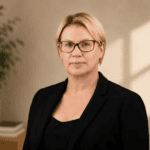
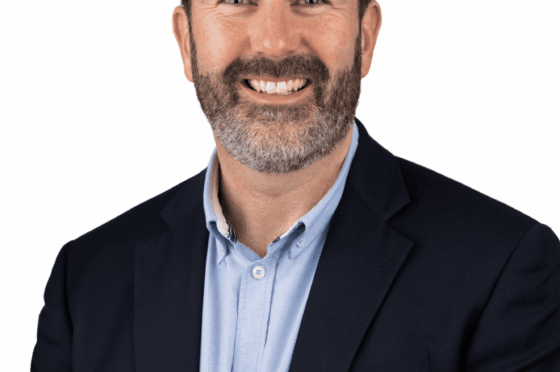
Lawyer Spotlight: Sharine Burgess
Action for Brain Injury Week, Addressing Isolation After Brain Injury
Supporting Survivors and Families When It Matters Most
Action for Brain Injury Week shines a light on the realities faced by those living with an acquired brain injury. This year’s theme focuses on isolation, an issue that is often overlooked but deeply felt by survivors and their families.
For many, the impact of a brain injury goes far beyond the initial diagnosis. While physical recovery is often the focus in the early stages, the emotional and psychological effects can be long-lasting and, in many cases, life-changing.
At Fletchers, this is something that Sharine Burgess understands deeply. With over 25 years of experience handling complex, high-value brain injury claims, Sharine is a Partner and Head of the Northampton office and is widely recognised within the legal community for her expertise in serious injury litigation. She is ranked in both Legal 500 and Chambers, reflecting her reputation for handling complex and high-value claims.
Alongside her legal work, Sharine is actively involved in supporting the wider brain injury community, working closely with organisations such as Headway East Northants (HEN) and the ABIF Northants. Through this work, she has seen first-hand how isolation can affect individuals and families after a brain injury.
The Hidden Impact of Brain Injury
When people think about brain injuries, they often focus on the visible effects. However, many of the most significant challenges are not immediately obvious.
Understanding what the effects of acquired brain injury are means looking beyond physical symptoms. Survivors may experience:
- Changes in personality and behaviour
- Difficulties with memory and concentration
- Emotional challenges such as anxiety or depression
- Reduced confidence in social situations
These changes can make it harder to maintain relationships, return to work, or engage in everyday activities. As a result, many individuals experience increasing levels of isolation.
This is particularly true when considering how an acquired brain injury affects behaviour. Even subtle changes can impact how someone communicates or interacts with others, sometimes leading to misunderstandings or withdrawal from social situations altogether.
Social Isolation After Brain Injury
Social isolation after suffering an acquired brain injury is one of the most significant challenges faced by survivors and their families.
In the immediate aftermath of an injury, individuals are often surrounded by medical professionals and support networks. Over time, however, this support can reduce, leaving people to navigate long-term challenges on their own.
Isolation can occur for many reasons:
- Loss of independence
- Difficulty returning to previous routines
- Changes in friendships or family dynamics
- Lack of understanding from others
For families, the experience can be equally isolating. Caring for a loved one with a brain injury can be overwhelming, and many families struggle to find the right support.
The wife of one of Sharine’s client explains:
My husband suffered life changing injuries in an accident at work. His brain injury had a massive impact on me and our family. I went from wife to carer and felt alone and isolated. Sharine’s support and access to rehabilitation has helped me to cope with a difficult situation and to start rebuilding our lives.
Sharine’s work highlights the importance of recognising these challenges early and ensuring that the right support systems are put in place.
Real client experience, support when it matters most
Families affected by brain injury often describe the legal process as daunting, especially when they are already dealing with emotional and practical challenges. Having the right support can make a meaningful difference.
One parent shared their experience of working with Sharine:
“My daughter suffered a traumatic brain injury, and Sharine Burgess has been an exceptional part of our journey. From the outset, she and her team demonstrated an extraordinary level of professionalism, expertise, and unwavering commitment to the case. Their attention to detail and clear, consistent communication ensured my daughter and the family felt fully informed and confident at every stage.
What truly set Sharine apart was her remarkable compassion and emotional intelligence. During the most sensitive and distressing discussions surrounding the negligence, she approached every conversation with genuine care, patience, and understanding, offering not only legal guidance but real comfort and reassurance. Her ability to balance absolute professionalism with heartfelt support has made an incredibly difficult experience more manageable. She has been consistently responsive, empathetic, and dedicated beyond expectation.”
The Importance of Acquired Brain Injury Support
Access to acquired brain injury support can make a significant difference to recovery and long-term wellbeing.
Support can take many forms, including:
- Rehabilitation services
- Case management
- Community-based support
- Peer networks
For many individuals, joining an acquiredbrain injury support group can be particularly beneficial. These groups provide a safe space where people can share experiences, build connections and realise they are not alone.
Support groups also play a vital role in reducing isolation, helping individuals rebuild confidence and regain a sense of belonging.
Through her work with local charities, Sharine regularly sees the positive impact that these services can have on both survivors and their families.
Counselling and Emotional Support After Brain Injury
In addition to practical support, emotional wellbeing is a key part of recovery.
Counselling for an acquired brain injury can help individuals process what has happened and adjust to changes in their lives. It can also support families who are coping with the emotional impact of a loved one’s injury.
Therapeutic support may include:
- One-to-one counselling
- Cognitive behavioural therapy
- Family support sessions
Addressing emotional challenges early can help prevent long-term difficulties and improve overall quality of life.
It is well-established that early therapeutic intervention leads to better outcomes for brain injury survivors and their families. Putting the right support in place as part of a multidisciplinary approach to rehabilitation is essential to help my clients rebuild and improve the quality of their lives after brain injury. Sharine says.
How to Deal With an Acquired Brain Injury
In our experience, every acquired brain injury case is unique, meaning how each individual deals with it will also be unique. However, a combination of medical care, rehabilitation and emotional support is essential.
Key steps include:
- Accessing specialist medical treatment
- Engaging in tailored rehabilitation programmes
- Building a strong support network
- Seeking legal advice where appropriate
For many individuals, legal support plays an important role in accessing the resources needed for recovery.
Legal Support That Goes Beyond Compensation
Sharine Burgess has spent more than 25 years supporting clients with complex brain injury claims. Her work focuses not only on securing compensation but also on ensuring clients have access to the support they need for the future.
Sharine acts exclusively for claimants and has built a strong reputation for handling some of the most complex cases, including brain injuries, spinal injuries, significant psychiatric illness and military claims. She is particularly known for taking on cases that require specialist expertise, often receiving referrals from other solicitors.
Her approach is centred on treating every client as an individual, ensuring they are supported with dignity and respect throughout what can often be a very challenging process.
Serious brain injury claims often involve:
- Detailed medical evidence
- Long-term care planning
- Rehabilitation and therapy needs
- Financial support for ongoing care
By working closely with medical professionals, case managers and support organisations, Sharine helps clients rebuild their lives after injury. One of her client’s says:
After my brain injury I thought my life would get back to normal. When this didn’t happen, I felt depressed and frustrated. Sharine put in place a case manager and therapy team to help me to understand my brain injury and to support my recovery. This has helped me to come to terms with what happened and to move forward.
One client described their experience of working with Sharine following a traumatic case:
“Sharine was professional, caring and understanding. It was a very hard time and I felt that Sharine made me feel a lot better as she listened to what I had to say and was very compassionate.”
Her approach reflects a broader commitment to supporting clients beyond the legal process, ensuring that every aspect of their recovery is considered. She is an accredited member of The Law Society Personal Injury Panel and a longstanding APIL accredited litigator. She is also an accredited solicitor with Headway UK, reinforcing her specialist expertise in supporting individuals with brain injuries.
Supporting the Brain Injury Community
Sharine’s work extends beyond her role as a solicitor. She is actively involved in supporting local brain injury charities, including HEN and the Acquired Brain Injury Forum Northants.
As a member of the management committee for ABIF Northants, she works alongside other professionals to improve support for individuals with acquired brain injuries across the region.
ABIF Northants is a dedicated network that supports individuals living with acquired brain injuries, as well as their families and carers, by connecting local services and professionals.
The organisation brings together services from the public, independent and voluntary sectors who are working with people affected by brain injury. Its aim is to improve coordination across the county and provide better information and education to NHS and social care decision-makers.
Through this work, ABIF Northants has developed key resources to raise awareness of acquired brain injury across Northamptonshire and to support those caring for, or working with, individuals and families affected by brain injury.
In addition to her work with ABIF Northants, Sharine is a trustee of Headway East Northants and works closely with a range of national charities supporting people with brain injuries. She is also actively involved in organising training and networking events for professionals, including conferences and seminars designed to improve understanding and collaboration across the sector.
These events bring together healthcare professionals, legal experts and support organisations, helping to strengthen the network of support available to those living with brain injuries.
Sharine is well known within the local legal community and has been a member of the Northamptonshire Law Society since 2003. She served as President for two successive terms, further demonstrating her leadership and commitment to the profession.
Through these partnerships, Sharine plays a key role in addressing the challenges faced by brain injury survivors, including the issue of isolation.
Alongside her legal and charity work, Sharine is a strong supporter of pro bono initiatives. She has been involved in providing free legal advice through community services and has worked with organisations such as Citizens Advice and the University of Northampton to support members of the public.
Why Awareness Matters
Action for Brain Injury Week, plays an important role in highlighting the realities of life after a brain injury.
By focusing on social isolation after suffering an acquired brain injury, this year’s campaign encourages greater understanding of the long-term challenges faced by survivors and their families.
Raising awareness helps to:
- Reduce stigma
- Encourage early support
- Improve access to services
- Build stronger communities
For professionals like Sharine, it also reinforces the importance of a holistic approach to recovery.
Supporting Recovery, Rebuilding Lives
At Fletchers, supporting clients after a brain injury means more than pursuing a legal claim. It means understanding the full impact of the injury and working to ensure that every individual has access to the support they need.
Sharine’s work reflects this commitment. Through her legal expertise and her involvement in the brain injury community, she continues to make a meaningful difference to the lives of those affected.
Sharine says: My grandma suffered a life changing brain injury so I grew up acutely aware of the challenges it brings every day. My lived experience gives me a real understanding of the huge impact of brain injury and a strong desire to help and support families to come to terms with what has happened and move forward in a positive way.
If You Need Support After a Brain Injury
If you or a loved one has experienced a brain injury, accessing the right support is essential.
Specialist legal advice can help you understand your options and ensure you have the resources needed for recovery, including access to acquired brain injury support, rehabilitation and long-term care.
Our awards
-

THE TIMES BEST LAW FIRM
-
CHAMBERS TOP RANKED LAW FIRM
-
LEGAL 500 TOP TIER FIRM
-
ARMED FORCES COVENANT
-
AVMA - LAWYERS’ SERVICE MEMBER
-
HEADWAY ACCREDITED SOLICITORS
-
SIA - TRUSTED LEGAL PARTNER
-
CBIT - TRUSTED LEGAL PARTNER









Start your claim with confidence
Not sure where to start? We’ll listen, guide you, and give clear, honest advice on what to do next.