Man injured at work by a fork lift truck rebuilds his life

Man seriously injured by forklift truck rebuilds his life after workplace accident
Our client suffered life-changing injuries when he was run over by a forklift truck while making a delivery at a customer’s depot. Through extensive treatment and rehabilitation, he was able to avoid an amputation and rebuild his life. Our experts also secured a settlement that recognised his injuries, financial losses and the continuing risk to his leg.
Case summary
- Our client suffered serious leg, ankle and elbow injuries and symptoms of post-traumatic stress disorder (PTSD).
- The defendant ultimately accepted 100% responsibility for the accident.
- Rehabilitation funded by the insurer included private treatment, adaptations to our client’s home and a disability vehicle.
- Treatment for a bone infection helped our client avoid an amputation.
- A settlement was secured that included an additional amount our client could use if he later required an amputation.
Run over by a forklift truck at work
Our client was working as a heavy goods vehicle driver. He had arrived at a customer’s depot to make a delivery and got out of his lorry to book in at the office.
While he was outside the vehicle, a forklift truck ran over him. It stopped on top of him before being reversed off, causing further injury. The forklift truck operator had failed to check his surroundings before driving onto our client.
Life-changing injuries and extensive treatment
Our client was transferred by London’s Air Ambulance to the Major Trauma Centre at King’s College Hospital in London. After extensive treatment there, he was transferred to his local district hospital for further care.
His injuries included fractures to both femurs, which were pinned, and a fracture to his right ankle, which was initially treated with external fixation. He also suffered injuries to both elbows after being pushed to the ground, as well as symptoms of PTSD.
The consequences affected many areas of his life. He could not return to work and was medically retired. He was unable to access the upper levels of his home, needed extensive further treatment and faced the risk of a below-knee amputation.
Securing full responsibility for the accident
Our lawyers sent a Letter of Claim to the customer’s insurer. The insurer investigated whether our client could have done more to avoid the forklift truck. If it had established that he was partly responsible, his compensation could have been reduced.
Our experts carefully analysed how the accident happened. Following this work, the insurer accepted 100% responsibility.
Matthew Claxson on the case
“Our client can now put the litigation behind him.”
Matthew Claxson
Senior Partner
Putting rehabilitation at the centre of the claim
Our specialists asked the insurer to fund the treatment and rehabilitation our client needed under the Rehabilitation Code 2015. The insurer agreed.
A case manager was appointed at the insurer’s cost to coordinate private treatment. Funding was also provided to adapt our client’s property so it was accessible, provide a disability vehicle and explore unpaid part-time employment.
Our client engaged with the treatment and rehabilitation available to him, but he continued to experience ongoing pain.
Identifying the cause of our client’s continuing pain
Despite extensive treatment, our client’s lower leg fracture did not heal and he remained in significant pain.
Our team arranged for him to be assessed by a leading orthopaedic and reconstructive lower limb consultant. The specialist identified an ongoing bone infection below the knee that was connected to the injuries caused by the accident.
Our client underwent treatment for the infection. This avoided an amputation and allowed him to rebuild his life. However, there remained a small risk that the infection could return in the future.
Protecting our client against the risk of future complications
Because there was a risk that the bone infection could return, our lawyers explored provisional damages with our client.
Provisional damages can allow someone to receive compensation for their existing injuries and losses while retaining the right to seek further damages later if their condition worsens in a specified way. They are not automatic and must either be agreed between the parties or ordered by the court.
In this case, the insurer did not accept that our client faced a risk of the infection returning or that a recurrence would result in an amputation. It therefore declined to compensate him for this aspect of his claim at that stage.
Reaching a settlement that recognised the future risk
Once our client’s rehabilitation had been optimised, our lawyers approached the insurer to try to resolve the claim.
We invited the insurer to a Joint Settlement Meeting, where the parties could discuss the issues and try to reach an agreement. Before the meeting, our lawyers held further discussions with the experts about the risk of amputation. The significant rehabilitation our client had received had reduced that risk.
A settlement was ultimately agreed and accepted by our client. It compensated him for his injuries and financial losses. Importantly, it also included an additional amount that he could use if he later needed an amputation.
Matthew Claxson, Partner in Personal Injury, who acted for our client, said:
“Fork lift trucks cause serious injury when negligently operated as in this case where our client suffered severe fractures requiring extensive rehabilitation to enable him to rebuild his life. It was disappointing that the insurance company initially wanted to explore where any fault for the incident rested with our client which it clearly did not that was later accepted. However, it was pleasing that we secured the insurer’s investment in our client’s rehabilitation which included regular upfront interim payments. Our client can now put the litigation behind him.”
Helping our client rebuild his life
The legal claim was about more than reaching a financial settlement. Our client had suffered injuries that ended his working life, restricted how he could use his home and left him facing extensive treatment and the possibility of losing part of his leg.
By securing full acceptance of responsibility, funding for rehabilitation and regular interim payments, our lawyers helped our client access practical support while his claim was ongoing. His rehabilitation included private treatment, adaptations to his home and a disability vehicle.
Treatment for the bone infection ultimately avoided an amputation. The final settlement then recognised both what our client had already experienced and the continuing risk he faced, giving him the opportunity to move forward after the litigation ended.



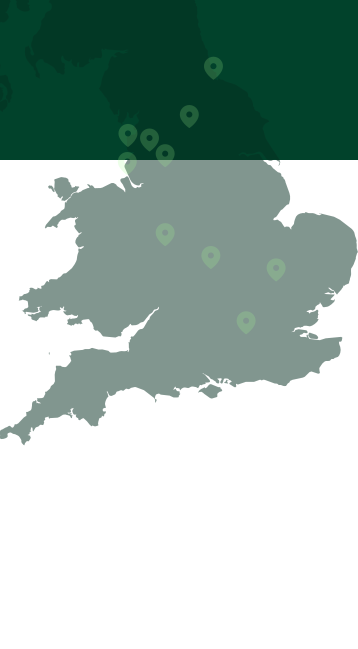
A national team, here when you need us
With offices across the UK, we’re never too far away, helping people access specialist advice and support wherever they are.
You're in safe hands
-
THE TIMES BEST LAW FIRM
-

CHAMBERS TOP RANKED LAW FIRM
-

LEGAL 500 TOP TIER FIRM
-
ARMED FORCES COVENANT
-
AVMA - LAWYERS’ SERVICE MEMBER
-
HEADWAY ACCREDITED SOLICITORS
-
SIA - TRUSTED LEGAL PARTNER
-
CBIT - TRUSTED LEGAL PARTNER



Start your claim with confidence
Not sure where to start? We’ll listen, guide you, and give clear, honest advice on what to do next.