Degloving injuries – your key questions answered

A degloving injury is a serious and often life-changing injury, most commonly caused by traumatic accidents. Recovery can be complex, requiring surgery, rehabilitation and ongoing support. In this guide, we explain how degloving injuries happen, the different types of injury and the support available to help people move forward after serious trauma.
In this guide we discuss:
- The different types of degloving injury
- What can cause a degloving injury
- How degloving injuries are treated
- How Fletchers can support recovery and rehabilitation
Understanding degloving injuries
Degloving injuries are generally divided into two categories: open degloving injuries and closed degloving injuries.
Open degloving injuries
An open degloving injury occurs when the skin becomes detached and completely torn away from the tissue and muscle beneath it. The injury is often described as similar to removing a glove from a hand, leaving it turned inside out.
Closed degloving injuries
With a closed degloving injury, the skin and upper level of tissue becomes separated from the deeper tissue, however the skin remains in place. This can make the injury harder for doctors to identify and diagnose. Closed degloving injuries are much rarer than open injuries.
- Common causes Road, workplace and machinery accidents
- Two injury types Open and closed degloving injuries
- Support matters Early rehabilitation can aid recovery
How do degloving injuries happen?
Degloving injuries are most commonly associated with high-impact accidents and incidents involving heavy machinery.
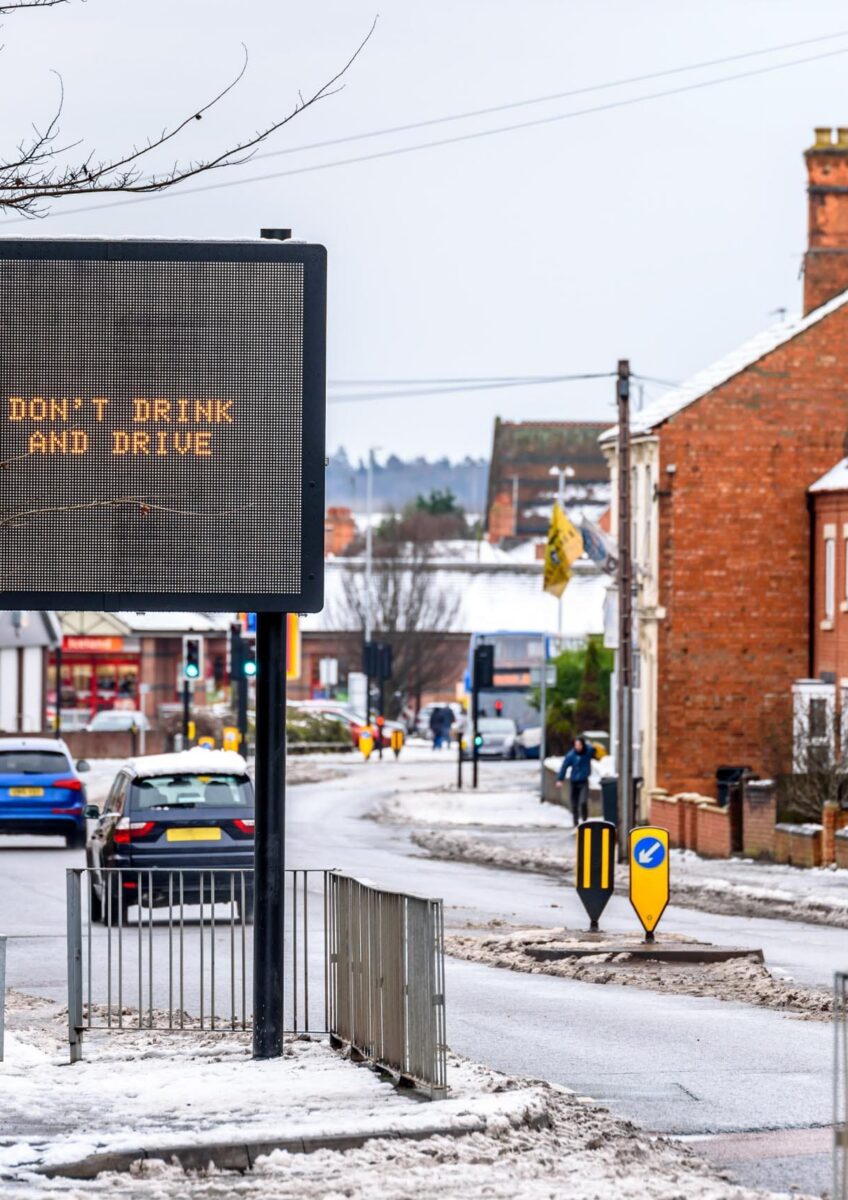
Road traffic accidents
In road traffic accidents, degloving injuries are often sustained by cyclists and pedestrians involved in collisions with vehicles. They are frequently accompanied by fractures to the underlying bones, although this is not always the case. Degloving injuries can occur when a cyclist is run over by a lorry, as the tyres can grip the skin and pull it away from the underlying tissue.
Workplace accidents
Degloving injuries can also occur in workplace accidents where machinery is used. Contact with conveyor belts and roller machines can result in severe injuries, particularly to the arms and hands.
Recovery and rehabilitation after a degloving injury
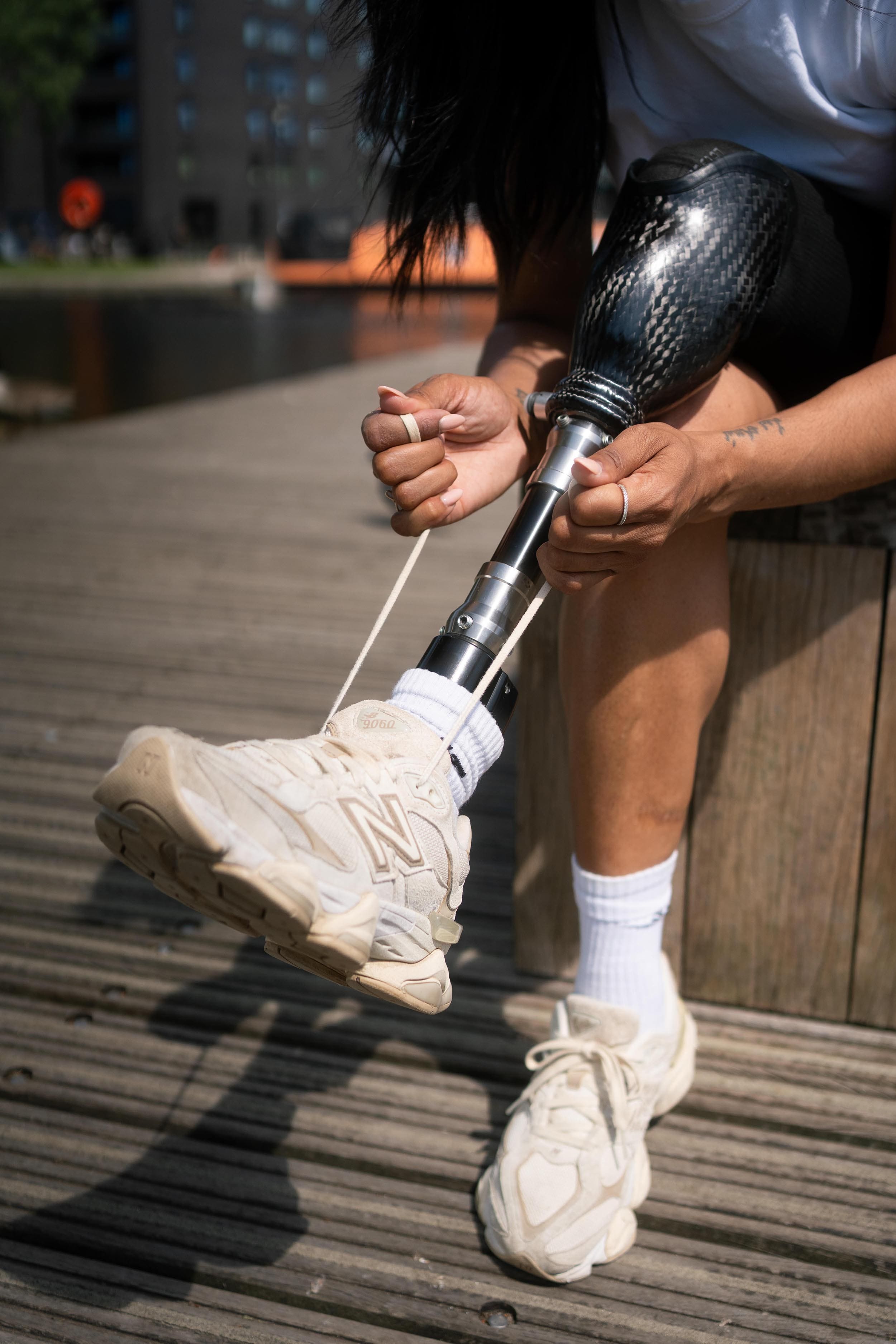
A degloving injury can have a significant impact on a person’s life. These serious injuries often require extensive surgery and can cause considerable damage to the underlying tissue. In some of the most severe cases, amputation may be necessary.
Recovery is often complex and can involve rehabilitation, specialist support and access to the right equipment and services. Getting the right support at the right time can make a meaningful difference to someone’s recovery and quality of life.
“When the patient is discharged from hospital victims may find that the support from the statutory services falls away quite sharply even though the patient would benefit from further treatment and equipment. We work hard to ensure that funding is in place to allow treatment to continue and to enable the patient to achieve the best outcome possible.”
Matthew Tuff
Senior Associate Solicitor
At Fletchers, we support people who have experienced serious injury, including degloving injuries. From the outset, our focus is to identify rehabilitation needs and help secure support beyond that already available through the NHS.
For many people, the transition from hospital to home can be challenging. Support from statutory services can reduce quickly, even where ongoing treatment, specialist equipment or additional therapies could support recovery.
We work to help secure funding that allows treatment and rehabilitation to continue, giving people the best opportunity to achieve the best possible outcome.
We work hard to ensure that funding is in place to allow treatment to continue and to enable the patient to achieve the best outcome possible.





A national team, here when you need us
With offices across the UK, we’re never too far away, helping people access specialist advice and support wherever they are.
You're in safe hands
-

THE TIMES BEST LAW FIRM
-
CHAMBERS TOP RANKED LAW FIRM
-
LEGAL 500 TOP TIER FIRM
-
ARMED FORCES COVENANT
-
AVMA - LAWYERS’ SERVICE MEMBER
-
HEADWAY ACCREDITED SOLICITORS
-
SIA - TRUSTED LEGAL PARTNER
-
CBIT - TRUSTED LEGAL PARTNER








Start your claim with confidence
Not sure where to start? We’ll listen, guide you, and give clear, honest advice on what to do next.