
Manual handling injury claims
If you’ve suffered a manual handling injury at work, you could be entitled to make a claim. Suffering an injury can affect your physical health, your general wellbeing and your ability to manage day-to-day. If your injury was caused by your employer's failure to keep you safe, our specialist team can offer legal support.
-
-
 TOP-RANKED LEGAL EXPERTS
CHAMBERS & LEGAL 500
TOP-RANKED LEGAL EXPERTS
CHAMBERS & LEGAL 500 -
NO WIN, NO FEE


Can I make a manual handling injury claim?
If you were hurt while lifting, carrying, pushing, or pulling objects at work – and that injury wasn’t your fault – you may be able to make a manual handling injury claim. Employers have a legal duty to protect workers from the risks of manual handling, whether through proper training, safe working conditions, or reducing the need for heavy lifting in the first place.
If you were injured because your employer failed to provide adequate training, gave you objects that were too heavy or awkward to handle safely, or did not put the right equipment or procedures in place, you may have a valid manual handling injury claim. This applies across a wide range of workplaces, from warehouses and construction sites to care homes, hospitals, retail, and delivery work.
Even if you were partly responsible for your injury, or you’re just not sure about the validity of your claim, it’s still worth reaching out. Our expert personal injury solicitors have more than 40 years’ experience settling manual handling injury cases, and we’re familiar with the nuances in this area of law.
We offer a free assessment of your case, with no obligation to proceed. If you do decide to make a claim, we’ll handle your case on a No Win No Fee basis.
Example of a manual handling injury claim
A warehouse worker might be asked to lift heavy boxes without any manual handling training and without any lifting aids available. By lifting incorrectly and without the right support, they might suffer a serious back injury that leaves them unable to work for a number of months – therefore unable to earn their usual salary and in need of expensive physiotherapy to aid their recovery. If the employer failed to carry out a risk assessment or provide appropriate equipment, this could form the basis of a valid manual handling injury claim.
Related manual handling injury claims we support
Expertise you can trust
- 9/10 clients would recommend us
- APIL Accredited Experts
- 4000+ client outcomes achieved in the last 12 months
What compensation can help with


Covering your recovery costs and replacing lost income.
Compensation for a manual handling injury can help you access the right treatment to aid your recovery, and recover lost income for any time you’ve been unable to work – whether that means a few weeks or a longer-term period of respite. Common manual handling injuries include sprains, cuts and bruises, hernias, dislocations, fractures and even broken bones. This variety of injuries can result in recovery times that vary in length, so it’s important to make sure that your lost earnings and personal circumstances can be accounted for through your compensation claim.
Successful manual handling injury claims may help fund:
- Physiotherapy, rehabilitation, and specialist treatment
- Psychological support and counselling if needed
- Loss of earnings during your recovery
- Future loss of earnings if your injury affects your ability to work long-term
- Medical expenses, including private treatment where appropriate
- Travel costs related to your recovery and appointments
- Care and assistance costs if your injury affects your independence at home
Understanding the potential value
No two manual handling injury claims are the same. The value of your compensation will depend on the type and severity of your injury, how it has affected your ability to work, your age, and what ongoing care or treatment you may need. A relatively straightforward soft tissue injury may result in a more modest settlement, while a serious back injury or hernia requiring surgery and causing long-term loss of earnings could result in a significantly higher award. Our team will provide a clear, honest assessment of what your claim may be worth once we have reviewed the details of your case.
Understanding special and general damages
When we calculate your manual handling injury compensation, we’ll consider two types of damages in your settlement; general damages and special damages. General damages address the non-financial impact of your injury, including pain and suffering and the effect on your day-to-day life. Special damages cover the specific financial losses you can evidence, from medical treatment and rehabilitation costs to lost income and travel expenses. Our team will make sure both are carefully calculated and properly reflected in your claim.



Why choose Fletchers for your manual handling injury claim?
Manual handling injury claims can be more complex than they first appear, especially where an injury has developed gradually over time, or where an employer disputes their responsibility. Having the right specialist team behind you is key. At Fletchers, our solicitors specialise in accident at work claims and understand exactly what it takes to build a strong case and secure the outcome you deserve.
Expertise you can rely on
- Specialist personal injury solicitors with extensive experience in manual handling and accident at work claims
- Ranked by the Legal 500 as a leading firm in personal injury law
- Recognised for a client-focused approach and effective use of technology to support our clients
- Free, no-obligation assessment of your case from the outset
- Clear, honest advice at every stage, so you always know where you stand
- Support with access to rehabilitation and medical treatment as early as possible
- ‘No Win, No Fee’, so claims can be pursued without financial risk
You're not alone
We understand what you're going through.
When you suffer an injury because of improper lifting techniques, unsafe working conditions, or lack of training – the impact can be significant. You might be dealing with a back injury that makes it hard to sleep, a hand injury that stops you from doing your job, or a longer-term condition that has changed what you can do day to day. If you’re in this position, you might find that daily tasks suddenly feel more challenging.
We also know that the financial pressure can build up quickly. Suffering a manual handling injury can lead to you taking time off work and attending medical appointments; and the potential loss of earnings can add strain at a time when things already feel difficult. Many of our clients tell us that uncertainty about whether they even had a claim was one of the hardest parts. They were not sure who was at fault, whether it was worth pursuing, or whether their employer would make things difficult.
Our team can help you through this. We can answer your questions and help you understand if you have a claim, and what your chances are for success. We handle every part of the claims process, and fight to get the compensation that truly reflects the impact your injury has had on your life.

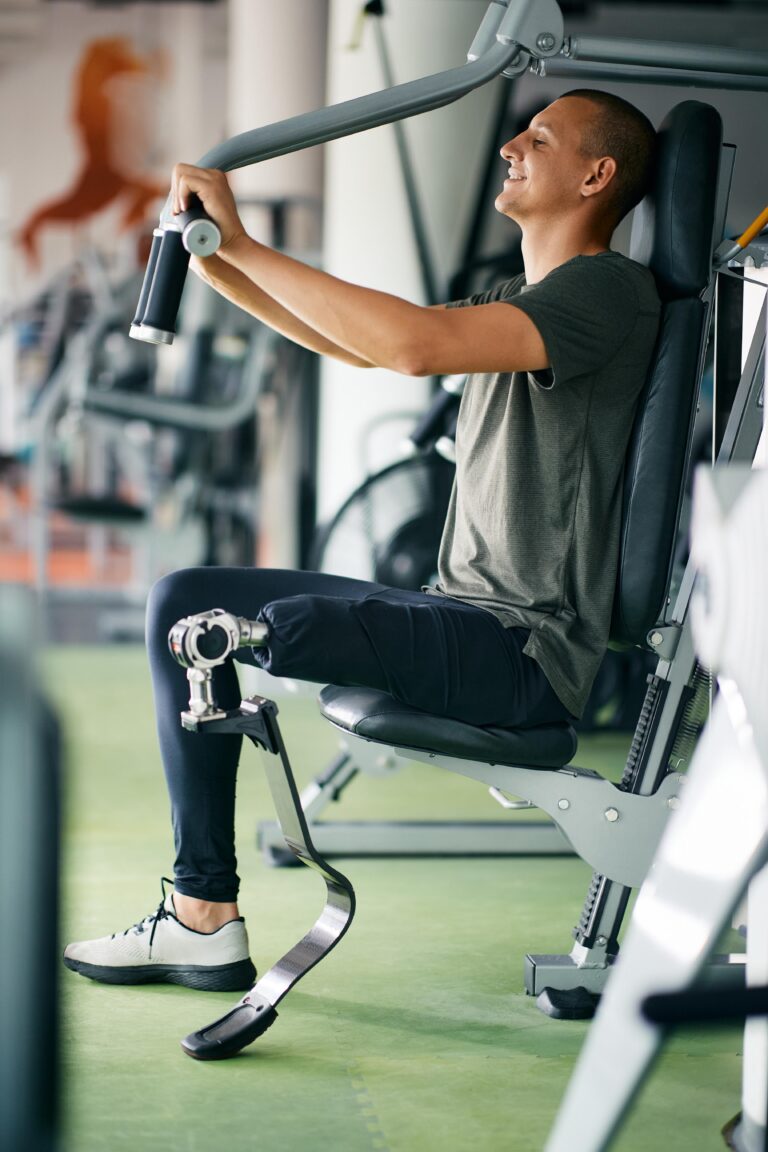
Rehabilitation support
We go beyond legal advice to support you, not just your case, making sure the right care and practical help are in place throughout the compensation claim process.
A message from our Rehabilitation and Wellbeing Team
We work alongside Fletchers Solicitors’ legal experts – listening carefully to your needs, helping you understand what support is available and creating a personalised recovery plan.
Led by rehabilitation manager Julie Chorlton, we bring together expertise across healthcare, therapy and welfare support, and can help arrange access to treatment and financial support. We also work with accredited mental health professionals, giving you and your family access to counselling quickly.
OUR REHABILITATION & WELLBEING TEAM


FAQs about manual handling injury claims
How long do I have to make a manual handling injury claim?
In most cases, you have three years from the date of your injury, or from the date you first realised your injury was due to work, to make a claim. This is known as the date of knowledge.
There are exceptions to this time limit. If the injured person is a child, the three-year period does not begin until they turn 18. If someone lacks the mental capacity to manage their own claim, the time limit may not apply in the same way.
Whatever your situation, we would encourage you to get in touch as soon as possible. Early advice gives us the best chance of building a strong case for you.
How much does it cost to make a manual handling injury claim?
We handle manual handling injury claims on a ‘No Win, No Fee’ basis. This means there are no upfront costs, and if your claim isn’t successful, you will not be charged for our work.
If your claim is successful, our fee is agreed in advance and only payable at the end of the process. We will explain exactly how the fee arrangement works before you commit to anything, so you can pursue your claim without worrying about the financial risk.
What are the most common manual handling injuries?
Manual handling injuries can affect many parts of the body. The most common types we see include:
- Back, neck, and shoulder injuries, often caused by incorrect lifting technique or lifting objects that are too heavy
- Hand and arm injuries, including broken fingers, strains, fractures, and cuts
- Foot injuries, such as crushed or broken bones from dropped objects
- Strains and sprains affecting the legs, wrists, or arms
- Hernias, particularly from heavy or sudden lifting
- Cuts, bruises, and fractures from handling sharp tools or equipment
Many of these injuries can have long-term effects, particularly back injuries. Even if your injury did not seem serious at first, it’s important to seek legal advice if it has affected your health or ability to work.
What evidence do I need for a manual handling injury claim?
The evidence needed to support your manual handling injury claim depends on the circumstances of your injury, but useful evidence can include:
- Records of the accident, including any accident book entry made at work
- Medical records and any treatment you have received
- Details of any training, or lack of training, provided by your employer
- Witness statements from colleagues who saw what happened or can speak to working conditions
- Photographs of the workplace, the task, or any equipment involved
- Records of time off work and any lost earnings
If you don’t have all of this to hand, don’t worry. We will help you gather what is needed and advise you on what will be most important for your specific case.
Can I claim if the injury was partly my fault?
Yes, in many cases you can still make a claim even if you were partly responsible for the accident. This is known as contributory negligence, which means that responsibility for the injury is shared between you and your employer.
If contributory negligence applies, any compensation you receive may be reduced to reflect your share of responsibility. However, this does not automatically prevent you from making a claim. We will assess your situation honestly and advise you on what this means for your case.
What support will I receive during my claim?
From your first contact with us, we take the time to understand your situation and explain what happens next. We will handle the legal complexity on your behalf, keep you updated at every stage, and ensure you always know where things stand.
Where appropriate, we can also help you access medical treatment and rehabilitation support early in the process so you don’t have to wait until your claim is resolved to start getting the care you need.


A national team, here when you need us
With offices across the UK, we’re never too far away, helping people access specialist advice and support wherever they are.
You’re in safe hands
-
THE TIMES BEST LAW FIRM
-
CHAMBERS TOP RANKED LAW FIRM
-
LEGAL 500 TOP TIER FIRM
-
ARMED FORCES COVENANT
-
AVMA - LAWYERS’ SERVICE MEMBER
-
HEADWAY ACCREDITED SOLICITORS
-
SIA - TRUSTED LEGAL PARTNER
-
CBIT - TRUSTED LEGAL PARTNER










Start your claim with confidence
Not sure where to start? We’ll listen, guide you, and give clear, honest advice on what to do next.