Carcinogenic exposure claims
If you served around military helicopters and later developed a serious illness, you may have questions about whether repeated exposure to exhaust fumes was responsible. Our specialist team can help you understand your rights.
-
-
 TOP-RANKED LEGAL EXPERTS
CHAMBERS & LEGAL 500
TOP-RANKED LEGAL EXPERTS
CHAMBERS & LEGAL 500 -
NO WIN, NO FEE



Can I make a carcinogenic exposure claim?
You may be able to make a military helicopter exhaust fumes claim if you developed an illness after exposure during service, and there is evidence that the Ministry of Defence failed to take reasonable steps to protect you from a foreseeable risk.
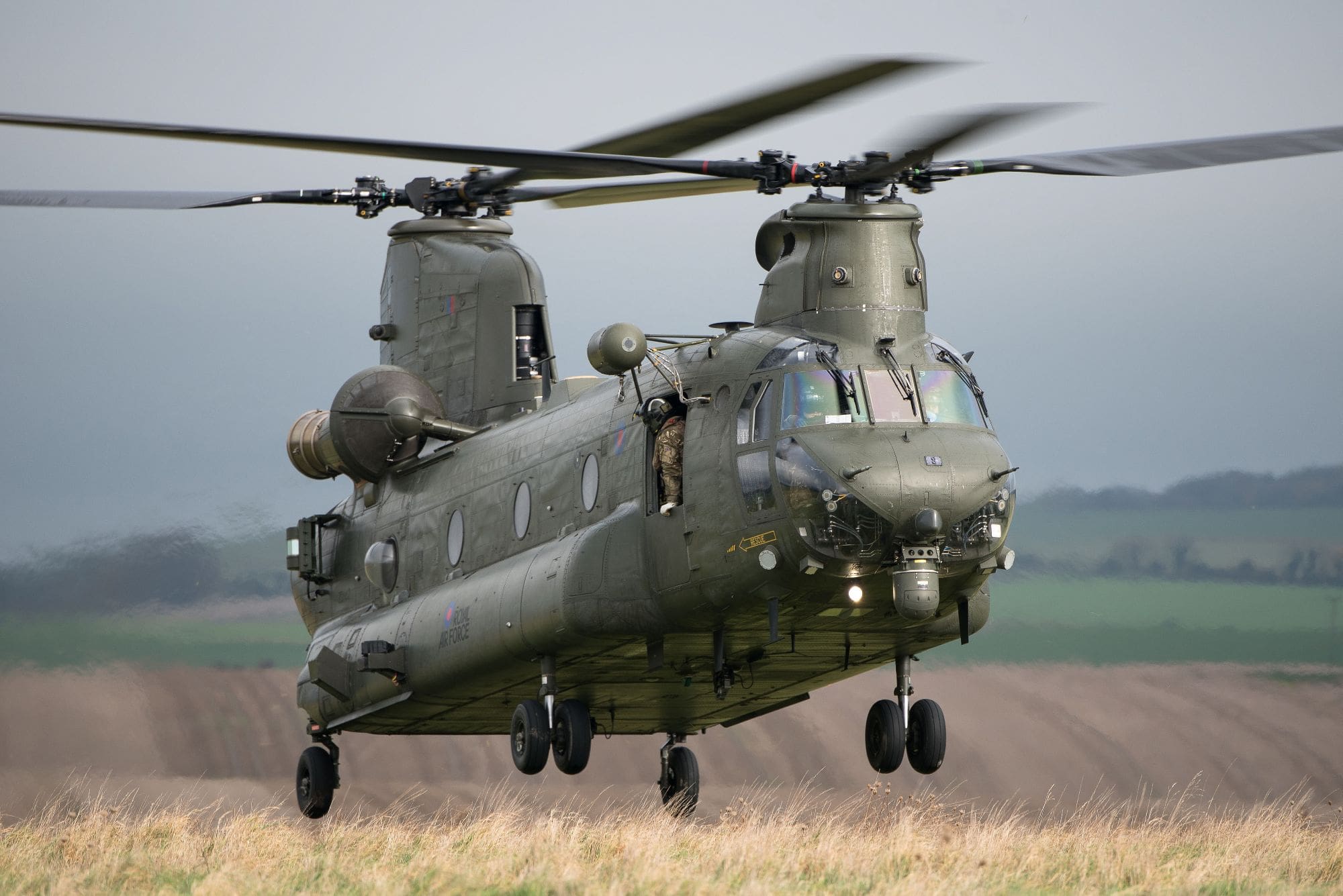
Concerns have been raised by serving personnel, veterans and families about exposure to fuel and exhaust emissions from military helicopters, including the Sea King, Wessex, Puma and Chinook. The Ministry of Defence has received common law claims relating to alleged health effects from helicopter fuel and exhaust fumes and has carried out further testing and medical reviews.
These cases can involve pilots, aircrew, ground crew and other personnel who were exposed to carcinogens . Exposure may have occurred during flying, loading and unloading, maintenance, ground running or other duties where exposure to carcinogens took place.
A claim depends on the evidence in your individual case, including your exposure history, diagnosis and whether reasonable steps were taken to protect you. You may also be able to raise a claim through the Armed Forces Compensation Scheme (AFCS) for service-related illness arising on or after 6 April 2005, or the War Pension Scheme for illness caused or made worse by service before that date. These are no-fault schemes and are different from a negligence claim. Our team can help you understand your options.
Example of a carcinogenic exposure claim
A valid claim might involve a pilot, or aircrew member, who has been exposed to carcinogenic exhaust gasses in service. A case might also be made for service personnel involved in refuelling and/or maintenance of rotary wing aircraft. Other cases might effect people who were involved in cleaning and/or maintenance of rotary winged aircraft, which led to their exposure of carcinogenic dust
A claim might need us to investigate into their flying history, the aircraft involved, any reports or risk assessments about fumes, the precautions in place at the time and expert medical evidence. The fact exposure occurred doesn’t, on its own, prove it caused the illness.
Related military exposure claims we can support with
Expertise you can trust
- 9/10 clients would recommend us
- Armed Forces Covenant signatories
- Catterick based team, close to the Garrison


What compensation can help with

Recovering lost income and covering future care.
If your case succeeds, compensation can help cover the financial losses caused by your illness, as well as the support you and your family may need in the future.
Where an illness is life-limiting or has caused a death, different losses and dependency claims may also need to be considered. We’ll explain what is relevant to your circumstances rather than using a standard figure.
Depending on your circumstances, compensation may take account of:
- Pain, suffering and the impact of your illness.
- Past and future loss of earnings.
- Loss of military pay, allowances or career progression where relevant.
- Pension losses.
- Treatment, rehabilitation and therapy costs.
- Care and support provided by family members or professionals.
- Travel and other costs linked to treatment.
- Equipment or adaptations you need because of your condition.
- Psychological support.
- Other financial losses caused by the illness.
Understanding the potential value of a claim
There is no fixed amount for a carcinogenic exposure claim. The value depends on the diagnosis, its effect on your day-to-day life, your prognosis and the financial consequences for you and your family. If you are unable to remain in service, the assessment may need to consider future earnings, military benefits, pension and civilian career prospects.
Understanding interim payments
Where possible, interim payments can also be arranged while your case is ongoing. This means we can help you access financial support early in the process, so you can access private cancer treatment, other specialist treatment, or manage day-to-day costs without having to wait until your case is resolved. Often, this is hugely beneficial to the service personnel we support.
Specialist carcinogenic exposure solicitors
Military exposure claims can involve historic service records, technical information about the aircraft, occupational health evidence and complex medical causation. Our specialists can bring these different strands together and explain what they mean for your case.
We take the time to understand your circumstances, listen to how your injury affects your mobility and independence, and explain your options in a way that feels manageable. Our focus is on securing support that reflects the full impact of what has happened - helping you access the rehabilitation, care and stability you need to move forward with confidence.



Why choose Fletchers for your carcinogenic exposure claim?
Claims involving toxic exposure need careful investigation. The medical evidence may be disputed, the exposure may have happened many years ago and the records can be technical. Our military and serious injury specialists will explain the evidence clearly and give you a realistic view of your options.
We combine military claims knowledge with experience in occupational disease, serious injury and complex medical evidence. That means we can look beyond the diagnosis itself and consider how your service, working environment and long-term losses fit together.
Expertise you can rely on
- Catterick-based team, just a few minutes from the Garrison
- Almost 40 years of success representing people with serious injuries
- Ranked by The Legal 500 and Chambers & Partners
- APIL-accredited solicitors within our serious injury team
- Armed Forces Covenant signatories
- Experience handling complex, high-value and catastrophic injury claims
- Close working relationships with medical, care and rehabilitation specialists
- Work with military charities (ABF for example)
- Free initial consultation with no obligation
- No Win, No Fee funding may be available, subject to eligibility and terms
You're not alone
We understand how unsettling this can be.
You may have served many years ago, worked on several aircraft or have only recently heard about concerns surrounding military helicopter fumes. You may also be dealing with treatment, career changes or uncertainty about what the medical evidence means.
You don’t need to prove the case yourself before asking for advice. Our role is to listen to what happened, identify the records and expert evidence that may be relevant, and explain whether there is a legal route worth investigating.
Seeking advice doesn’t mean you’re making assumptions about the cause of your illness. It gives you the chance to understand the evidence and make an informed decision about what to do next. Should you decide to pursue a case, our team will be by your side throughout the journey, and will work hard to settle favourably on your behalf.


Rehabilitation support
We go beyond legal advice to support you, not just your case, making sure the right care and practical help are in place throughout the compensation claim process.
A message from our Rehabilitation and Wellbeing Team
We work alongside Fletchers Solicitors’ legal experts – listening carefully to your needs, helping you understand what support is available and creating a personalised recovery plan.
Led by rehabilitation manager Julie Chorlton, we bring together expertise across healthcare, therapy and welfare support, and can help arrange access to treatment and financial support. We also work with accredited mental health professionals, giving you and your family access to counselling quickly.
OUR REHABILITATION & WELLBEING TEAM



FAQs about military helicopter exhaust fumes claims
What is a military helicopter exhaust fumes claim?
It’s a claim relating to illness alleged to have been caused or contributed to by exposure to fuel or exhaust emissions while serving around military helicopters. A civil claim usually requires evidence of negligence and medical causation. AFCS and the War Pension Scheme are separate no-fault compensation routes.
Which military helicopters have been linked to exposure concerns?
Reports and legal claims have referred to several helicopter types used by the UK Armed Forces. The circumstances of exposure can differ between aircraft, roles and periods of service, so the aircraft alone doesn’t determine whether there is grounds to claim.
The Sea King left UK military service in 2018 and the Wessex was retired in 2003. It is common in service to have worked on a number of airframes and we will investigate your level of global exposure.
- Sea King.
- Westland Wessex.
- Puma.
- Chinook.
- Other military helicopters where there is evidence of relevant fuel or exhaust exposure.
Who may have been exposed?
Exposure concerns are not limited to pilots. Depending on the aircraft and duties involved, people who may have worked around fuel or exhaust fumes include:
- Pilot crew.
- Ground crew.
- Other service personnel exposed to carcinogenic fumes and/or dust.
You don’t need to recall every flight or exposure before speaking to us. Service records, flying logs, postings, maintenance information and witness evidence may help build a clearer picture.
, our team of spinal cord injury lawyers can support you to rebuild your life.
What illnesses are being investigated in helicopter fumes claims?
Some serving personnel and veterans involved in legal action have reported cancer and other serious health conditions after being exposed to carcinogenic eflux. The conditions reported publicly include rare cancers such as multiple myeloma and soft tissue sarcomas, as well as other cancers and respiratory symptoms.
Who can make a toxic helicopter fumes claim?
Serving personnel and veterans may be able to seek advice if they developed an illness after relevant exposure. It is common for cancer to develop some time after leaving service and with a gestation period of some ten years or more. Claims have involved aircrew and ground crew, including engineers, mechanics and maintenance personnel. Eligibility for a civil claim or service compensation scheme depends on the facts and the applicable legal rules.
Can I claim if I am still serving?
Potentially. Current service doesn’t automatically prevent a claim or an AFCS application. AFCS is available to current and former members of the Armed Forces where the scheme rules are met.
Can I make an AFCS claim for illness linked to helicopter fumes?
AFCS is a no-fault scheme for injury or illness caused or made worse by service on or after 6 April 2005. Claims are generally subject to a seven-year time limit, although different rules can apply to late-onset illness. You don’t need to prove negligence for AFCS, but you do need to meet the scheme requirements.
What if my exposure happened before 6 April 2005?
If an illness was caused or made worse by service before 6 April 2005, the War Pension Scheme may be relevant once you have left the Armed Forces. There is no general time limit for making a War Pension Scheme claim. A civil claim is separate and has its own legal rules and time limits.
Can I make a civil claim as well as an AFCS or War Pension Scheme claim?
Potentially. A civil negligence claim and the military compensation schemes are different routes. Compensation received from different sources can interact, so it is important to understand how one award may affect another.
Can my family make a claim if a relative has died?
Potentially. If a serviceperson or veteran has died following an illness alleged to be linked to military helicopter fumes, the estate and eligible dependents may need advice about a civil fatal claim and any relevant military survivor benefits. The legal route depends on the circumstances and relationship to the person who died.
How long does a military helicopter fumes claim take?
There’s no fixed timescale. These cases can require historic records, expert medical evidence and technical evidence about exposure. The length of the claim can also depend on whether responsibility or causation is disputed and whether court proceedings are needed.
My goal is simple – to give a voice to those who have served their country and help them secure accountability, recognition and fair compensation when they have suffered avoidable harm.


A national team, here when you need us
With offices across the UK, we’re never too far away, helping people access specialist advice and support wherever they are.
You’re in safe hands
-
THE TIMES BEST LAW FIRM
-
CHAMBERS TOP RANKED LAW FIRM
-
LEGAL 500 TOP TIER FIRM
-
AVMA - LAWYERS’ SERVICE MEMBER
-
BACKUP - TRUSTED LEGAL PARTNER
-
SIA - TRUSTED LEGAL PARTNER
-
CAUDA EQUINA SYNDROME - TRUSTED LEGAL PARTNER
-
STOKE MANDEVILLE SPINAL RESEARCH - GOLD PARTNER
-
ARMED FORCES COVENANT









Start your claim with confidence
Not sure where to start? We’ll listen, guide you, and give clear, honest advice on what to do next.