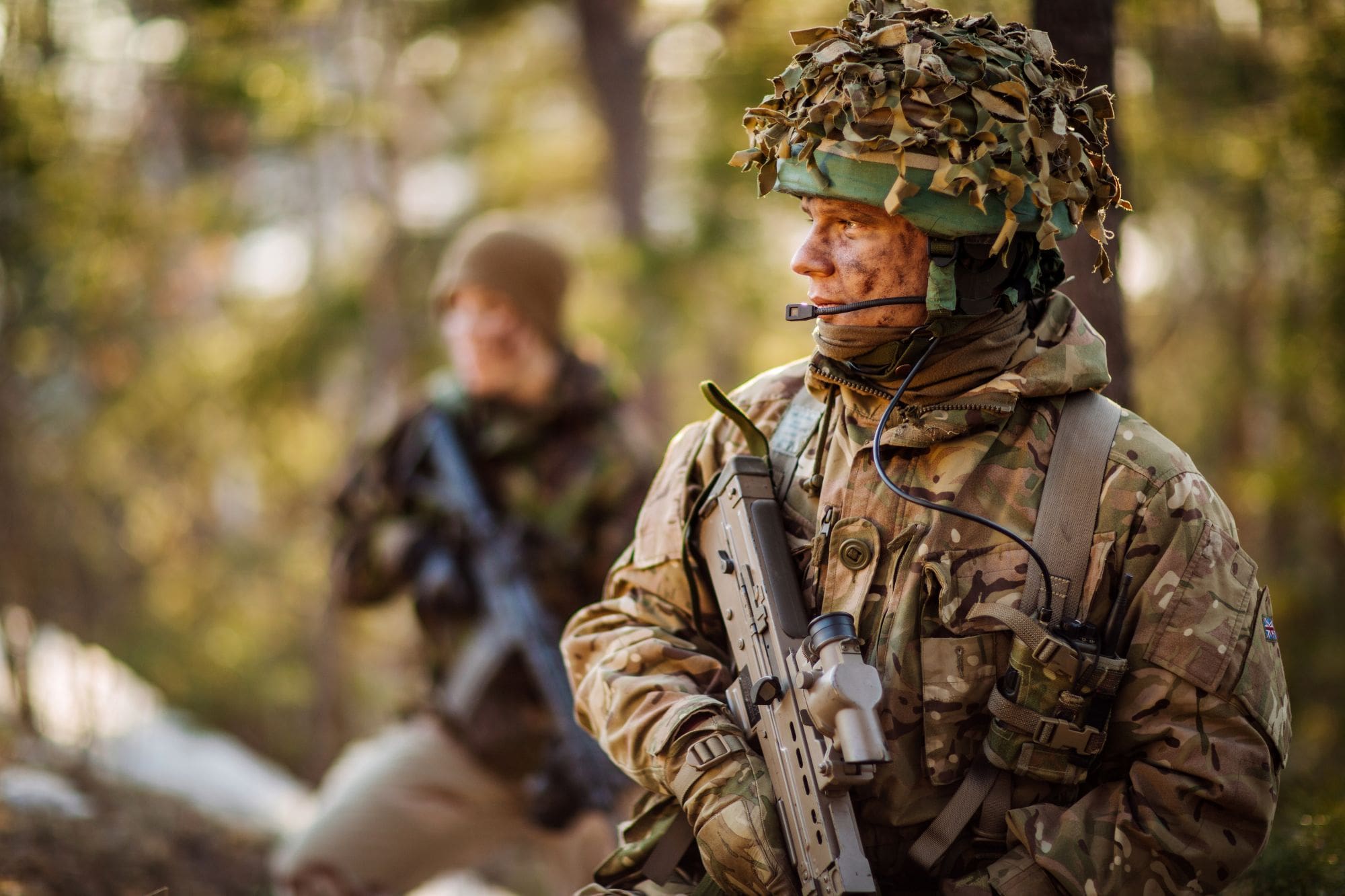
Defective military equipment claims
You rely on your equipment to keep you safe, whether you’re training or deployed on operations. If equipment that was faulty let you down and caused you harm, you may be able to make a defective military equipment claim.
-
-
 TOP-RANKED LEGAL EXPERTS
CHAMBERS & LEGAL 500
TOP-RANKED LEGAL EXPERTS
CHAMBERS & LEGAL 500 -
NO WIN, NO FEE



Can I make a defective military equipment claim?
Military equipment covers everything from weapons and vehicles to protective clothing and safety kit. If equipment that was faulty, poorly maintained, unsuitable, or provided without proper training caused your injury, you could have grounds to make a claim.
When equipment is defective, this might mean weapons or ammunition that malfunction, defective machinery, faulty vehicle components, or electrical equipment failures. Injuries can also result from failures involving specialist equipment, such as parachutes, harnesses or diving equipment that do not perform as they should.
Sometimes, the equipment may not have been defective when it was issued, but can become unsafe over time if it is not properly maintained. Problems can come about when servicing is missed or carried out inadequately, known faults are left unrepaired, or equipment continues to be used despite concerns being raised.
You do not need to know exactly where the fault lies in order to explore your legal options. Our defective military equipment solicitors can investigate the circumstances surrounding your injury and advise you on whether you may have grounds to bring a claim.
Example of a defective military equipment claim
During service, a routine inspection should have identified that a safety-critical piece of equipment was damaged and in need of repair. The issue wasn’t noted, and the equipment later failed, causing a serious injuries. Cases like this often come down to a maintenance or inspection failure rather than the equipment itself.
We also see claims where the equipment or personal protective equipment (PPE) provided was unsuitable for the task. In some situations, necessary protective equipment may not have been provided at all.
Related defective military equipment claims we support
Expertise you can trust
- 9/10 clients would recommend us
- Armed Forces Covenant signatories
- Catterick based team, close to the Garrison


What compensation can help with

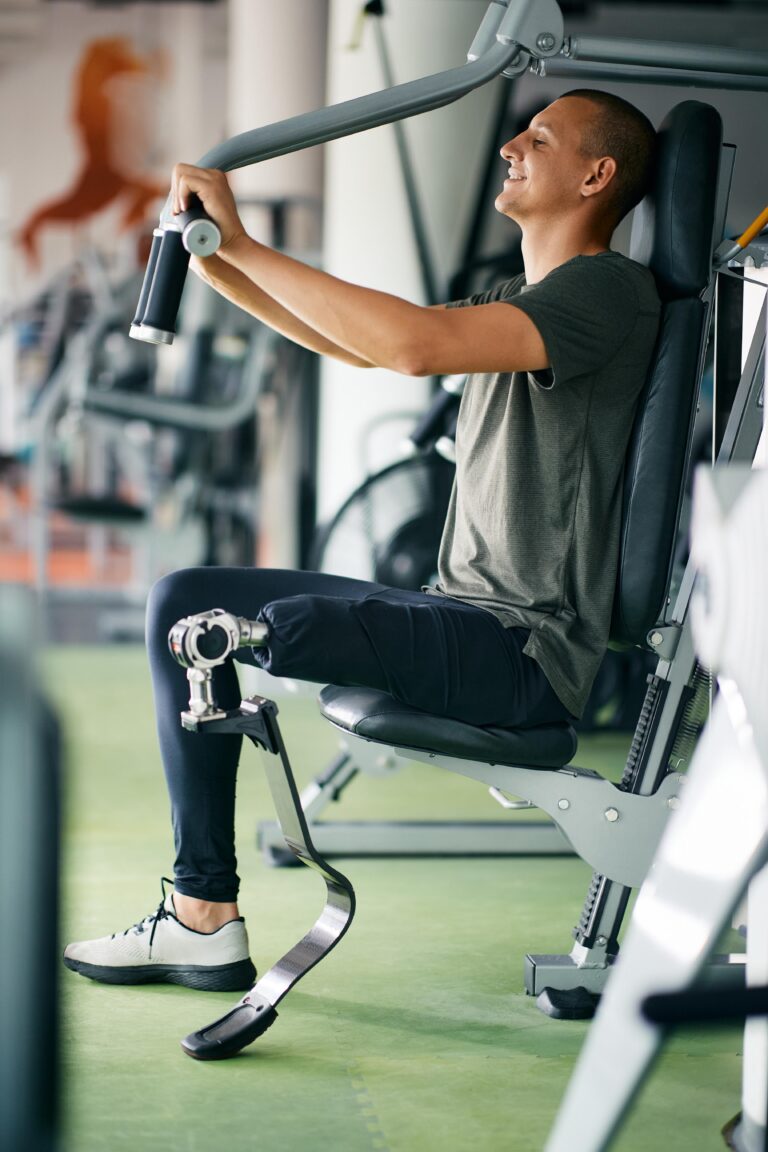
Recovering lost income and covering future care.
An injury caused by defective equipment can affect your health, your independence and your military career. Securing compensation can help to fund your recovery, access specialist care, and help you plan for your future – whatever that looks like.
A serious injury will affect your military career. This might lead to medical downgrading, change of role, the end of promotion prospects, loss of specialist duties, or medical discharge. Compensation can help reflect the impact on your service earnings, allowances, pension and future earning potential.
Depending on your injury, compensation could help fund:
- Specialist rehabilitation
- Physiotherapy
- Prosthetics
- Neurological rehabilitation
- Psychological treatment
- Private treatment
- Mobility equipment.
Understanding the potential value
There’s no standard amount of defective military equipment compensation. The value depends on a number of factors, including the severity of your injury and your prognosis. It can also be influenced by your ability to work, whether you’ve been medically discharged, and your future care and treatment needs.
Understanding interim payments
If your claim is likely to take some time, you may not need to wait until it settles to get some financial support. Where appropriate, we can apply for interim payments to help with immediate needs such as rehabilitation, care, equipment, accommodation or loss of income while your case continues.
Specialist defective military equipment solicitors
Our specialist defective military equipment solicitors can investigate how an equipment failure happened and help you understand the compensation and support available to you.
We take the time to understand your circumstances, listen to how your injury affects your mobility and independence, and explain your options in a way that feels manageable. Our focus is on securing support that reflects the full impact of what has happened - helping you access the rehabilitation, care and stability you need to move forward with confidence.



Why choose Fletchers for your defective military equipment claim?
Equipment failure cases can be technically complex. Working out what went wrong often means technical investigations that require specialists. We combine investigative experience with military claims expertise, so you get a team that understands both what happened and what you need for the future.
Expertise you can rely on
- Catterick-based team, just a few minutes from the Garrison
- Almost 40 years of success representing people with serious injuries
- Ranked by The Legal 500 and Chambers & Partners
- APIL-accredited solicitors within our serious injury team
- Armed Forces Covenant signatories
- Experience handling complex, high-value and catastrophic injury claims
- Close working relationships with medical, care and rehabilitation specialists
- Work with military charities (ABF for example)
- Free initial consultation with no obligation
- No Win, No Fee funding may be available, subject to eligibility and terms
You're not alone
You depend on your equipment to keep you safe.
Serving in the armed forces means facing difficult situations. You should be able to trust the kit and equipment you’re given to do that safely, so when it lets you down, the effects can be significant.
You might be dealing with life-changing physical injuries, a loss of fitness and independence, or being unable to do the role you trained for. Some people face medical downgrade or discharge, and the loss of a career they’d planned around.
There can be a psychological toll too, alongside the impact on your family and worries about what comes next. Whatever caused your equipment to fail, you don’t have to work out what happened, or plan for the future, on your own.

Rehabilitation support
We go beyond legal advice to support you, not just your case, making sure the right care and practical help are in place throughout the compensation claim process.
A message from our Rehabilitation and Wellbeing Team
We work alongside Fletchers Solicitors’ legal experts – listening carefully to your needs, helping you understand what support is available and creating a personalised recovery plan.
Led by rehabilitation manager Julie Chorlton, we bring together expertise across healthcare, therapy and welfare support, and can help arrange access to treatment and financial support. We also work with accredited mental health professionals, giving you and your family access to counselling quickly.
OUR REHABILITATION & WELLBEING TEAM


FAQs about defective military equipment claims
What counts as defective military equipment?
Defective equipment can include anything that’s faulty, damaged, poorly maintained, inadequately inspected, unsuitable for the task, missing important safety features, or supplied without proper training or instructions.
What type of negligence might lead to a defective equipment claim?
Equipment that was faulty
- Weapons or ammunition malfunctioning
- Defective machinery
- Faulty vehicle components
- Electrical equipment failure
- Diving equipment malfunctions
Equipment that wasn’t properly maintained or inspected
The equipment might have been safe when it was first issued, and problems only developed later. This can include:
- Missed or inadequate servicing
- Known faults that weren’t repaired
- Equipment that stayed in use despite concerns being raised
- Inadequate safety inspections
- Worn or damaged parts that weren’t replaced
Equipment or PPE that wasn’t suitable
- Protective equipment that wasn’t right for the task
- Inadequate hearing protection
- Respiratory protective equipment
- Body armour or protective clothing
- Eye or face protection
- Equipment that was the wrong size or badly fitted
- Protective equipment that wasn’t provided at all
Inadequate information or training
Equipment doesn’t need to physically fail for its use to cause injury. Sometimes it’s about how you were prepared to use it, for example:
- Not being properly trained to operate the equipment
- Risks that weren’t explained to you
- Incorrect instructions
- Not enough supervision
- Equipment given to someone without the right training or experience
What types of military equipment can lead to compensation claims?
This can include but is not limited to:
- Weapons
- Ammunition
- Machinery
- Harnesses
- Diving equipment
- PPE
- Respiratory protection
- Hearing protection
- Body armour
- Protective clothing
- Lifting equipment
- Electrical equipment.
Can I claim if the equipment didn’t actually break?
Yes, potentially. Your claim might be about suitability, maintenance, protection, inspection, instructions or training, rather than the equipment physically failing.
Can I claim if I wasn’t properly trained to use the equipment?
Yes, this could form the basis of a claim. If you weren’t given the training or information you needed to use equipment safely, that may amount to negligence.
Can I claim if defective PPE failed to protect me?
Yes. If protective equipment failed to protect you, and this was down to negligence, you may be able to claim.
Can I claim for defective hearing protection?
Possibly. If inadequate or defective hearing protection contributed to hearing loss, this may support a claim. Find out more about military hearing loss claims.
Can I make a claim if I’m still serving?
Yes. You can make a defective military equipment claim while you’re still serving in the armed forces.
Will making a defective military equipment claim affect my military career?
Making a defective military equipment claim should not affect your military career and you should be able to continue with the armed forces both during and after your claim.
Can I make a claim after leaving the armed forces?
Yes, you can still make a claim after leaving the armed forces, subject to time limits.
Can reservists make defective military equipment claims?
Yes, reservists can make a claim in the same way as full-time serving personnel.
Who is responsible for defective military equipment?
Responsibility depends on the circumstances. It could involve how the equipment was procured, maintained, serviced, inspected, stored or issued, or how you were trained to use it. We can help identify who’s responsible once we understand what happened.
What evidence could support a defective military equipment claim?
This could include accident or incident records, equipment and maintenance records, photographs or video, witness evidence, medical documentation, service records and relevant safety documentation.
Can I claim if I was partly responsible for the accident?
Possibly. You may still be able to claim, though your compensation could be reduced to reflect your share of responsibility.
Can I claim for an accident involving defective equipment overseas?
Potentially, yes. This will depend on the circumstances, so it’s worth speaking to a specialist military solicitor to understand your position.
Can I claim if defective equipment injured me during combat?
Claims involving injuries sustained during combat can raise additional legal issues. However, you shouldn’t assume that being injured while deployed automatically rules out a claim. A specialist solicitor can look at when, where and why the equipment failed.
What’s the difference between an AFCS claim and a defective equipment compensation claim?
An AFCS claim is a service-related, no-fault scheme, while a civil compensation claim requires you to establish negligence. They’re different legal routes, and we can help you understand which might apply to you.
Can I make an AFCS claim as well as a defective equipment claim?
In some cases, yes, though rules exist to prevent double recovery. We can talk you through how this might work for your situation.
How long do I have to make a defective military equipment claim?
The civil time limit is generally three years from the date of the incident or date of knowledge, but exceptions apply.
How long does a defective military equipment claim take?
This varies depending on the complexity of your case and whether liability is admitted. We’ll keep you updated throughout, and give you a realistic idea of timescales as your claim progresses.
Can my family claim if defective military equipment caused a fatal accident?
Yes, in some circumstances family members may be able to claim following a fatal accident. We can talk you through your options sensitively and clearly.
My goal is simple – to give a voice to those who have served their country and help them secure accountability, recognition and fair compensation when they have suffered avoidable harm.


A national team, here when you need us
With offices across the UK, we’re never too far away, helping people access specialist advice and support wherever they are.
You’re in safe hands
-
THE TIMES BEST LAW FIRM
-
CHAMBERS TOP RANKED LAW FIRM
-
LEGAL 500 TOP TIER FIRM
-
ARMED FORCES COVENANT
-
AVMA - LAWYERS’ SERVICE MEMBER
-
HEADWAY ACCREDITED SOLICITORS
-
SIA - TRUSTED LEGAL PARTNER
-
CBIT - TRUSTED LEGAL PARTNER







Start your claim with confidence
Not sure where to start? We’ll listen, guide you, and give clear, honest advice on what to do next.