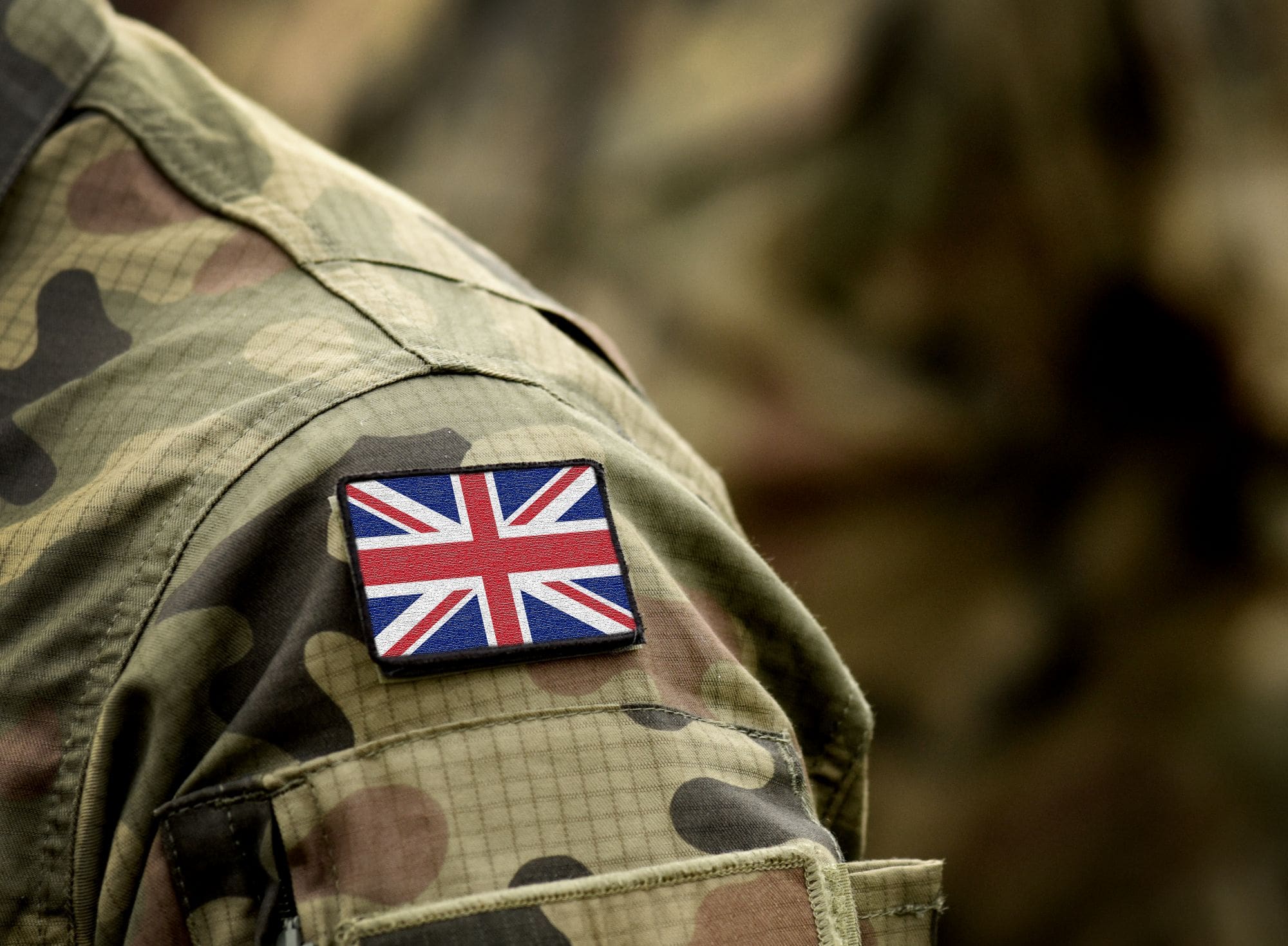
Fatal military claims
We support families following the death of serving personnel, reservists and veterans. This can include fatal accidents during training or deployment, deaths linked to a service-related illness or injury, and deaths following negligent medical treatment.
-
-
 TOP-RANKED LEGAL EXPERTS
CHAMBERS & LEGAL 500
TOP-RANKED LEGAL EXPERTS
CHAMBERS & LEGAL 500 -
NO WIN, NO FEE



Can I make a fatal military claim?
A fatal military claim may be possible where negligence caused or contributed to the death of a member of the Armed Forces. A death during service doesn’t automatically mean that someone was negligent. The circumstances need to be investigated carefully.
Losing someone during their military service can leave you dealing with grief, financial uncertainty and difficult questions about what happened. Our specialist solicitors can help you understand the investigations that may follow, whether your family may be entitled to compensation and what support may be available.
Examples of circumstances that may require investigation include, but are not limited to; fatal military training accidents, defective or unsuitable military equipment, temperature related injuries, chemical exposure. The exact legal route you are able to take will depend on what happened. A family may need advice about a civil compensation claim, an AFCS application, an inquest or another investigation. These are separate processes, although they may consider some of the same evidence, and our team will be able to advise on the appropriate way forward for you and your family.
Depending on the circumstances, we can explain the difference between a civil claim, the Armed Forces Compensation Scheme (AFCS), an inquest and other investigations. You don’t need to know which route applies before you speak to us.
Example of a fatal military claim
A service person passes away during a military parachuting exercise after their parachute or reserve equipment fails to operate as expected. An investigation later raises concerns about whether the equipment was properly inspected or maintained. If failures in equipment maintenance can be shown to have caused or contributed to the death, the family may have grounds to make a fatal military claim.
Related military claims we can support with
Expertise you can trust
- 9/10 clients would recommend us
- Armed Forces Covenant signatories
- Catterick based team, close to the Garrison


What compensation can help with


Providing securing for loved ones left behind.
No financial award can compensate for losing someone you love. However, fatal military compensation can help to address the financial burden and provide greater security for loved ones and dependents. The right compensation assessment is personal to each family. It should reflect the support that has been lost, rather than treating the claim as a simple calculation based on salary.
Depending on the circumstances, your lawyer might take into account:
- Loss of the deceased’s income.
- Loss of future earnings and career progression.
- Pension and military benefits.
- Loss of military accommodation or associated benefits.
- Funeral expenses.
- Additional childcare costs.
- Care and domestic support previously provided by the deceased.
- Financial dependency of a spouse, partner, child or another eligible person.
- Losses incurred by the estate.
- The circumstances and impact of any period between injury and death.
- Statutory bereavement damages where the legal eligibility requirements are met.
Understanding the potential value
The value of a claim cannot be estimated from the cause of death alone. Fatal dependency calculations can involve detailed evidence about the deceased’s career, benefits, family responsibilities and the practical support they provided. Relevant factors can include: age at the time of death, salary, career progression and pension position. We can work with financial experts where needed to assess future losses properly. This can be particularly important where a military career would have involved changes in rank, pay, allowances, pension entitlement or accommodation.
Understanding inquests, inquiries and other investigations
Several investigations can follow a death during military service. They have different purposes and shouldn’t be treated as the same process.
Depending on the circumstances, there may be:
- A police or military police investigation
- A service inquiry
- A Health and Safety Executive investigation, where the incident falls within its jurisdiction
- A coroner’s inquest in England and Wales
- An internal learning or safety review
Specialist fatal military claims solicitors
Fatal military claims can involve evidence from several investigations, complex questions about responsibility and a detailed assessment of the financial and practical support a family has lost. Our solicitors can help you understand each process, investigate what happened and consider the consequences for your family's future.
We take the time to understand your circumstances, listen to how your injury affects your mobility and independence, and explain your options in a way that feels manageable. Our focus is on securing support that reflects the full impact of what has happened - helping you access the rehabilitation, care and stability you need to move forward with confidence.



Why choose Fletchers for a fatal military claim?
A fatal military claim can bring a range of legal complexities. Our specialists draw on experience across these areas to give families clear advice and practical direction.
We’ll explain what each process is for, what evidence matters and what the next step means for you. Where specialist evidence is needed, we can work with medical, technical and financial experts to build a clear picture of what happened and the support your family has lost.
Expertise you can rely on
- Catterick-based team, just a few minutes from the Garrison
- Almost 40 years of success representing people with serious injuries
- Ranked by The Legal 500 and Chambers & Partners
- APIL-accredited solicitors within our serious injury team
- Armed Forces Covenant signatories
- Experience investigating complex and fatal military claims
- Work with military charities (ABF for example)
- Free initial consultation with no obligation
- Clear advice on how civil compensation and AFCS may interact.
- Sensitive, consistent communication throughout the case.
- No Win, No Fee funding may be available, subject to eligibility and terms
You're not alone
We understand that asking legal questions can feel difficult.
You may have been given limited information at first, or be trying to understand unfamiliar military and legal language. There may also be immediate worries about income, accommodation, benefits, children or other people who depend on your loved one.
Some families worry that questioning what happened could be seen as disloyal to the institution their loved one served. Asking for clear answers does not diminish their service. It is reasonable to want to understand what happened and how your family will be supported.
You don’t need to decide immediately whether to make a claim. An initial conversation can help you understand the processes involved and what, if anything, you need to do next.


Rehabilitation support
We go beyond legal advice to support you, not just your case, making sure the right care and practical help are in place throughout the compensation claim process.
A message from our Rehabilitation and Wellbeing Team
We work alongside Fletchers Solicitors’ legal experts – listening carefully to your needs, helping you understand what support is available and creating a personalised recovery plan.
Led by rehabilitation manager Julie Chorlton, we bring together expertise across healthcare, therapy and welfare support, and can help arrange access to treatment and financial support. We also work with accredited mental health professionals, giving you and your family access to counselling quickly.
OUR REHABILITATION & WELLBEING TEAM
People we’ve supported



FAQs about fatal military claims
What is a fatal military claim?
A fatal military claim is a claim arising from the death of serving personnel, a reservist or, in some circumstances, a veteran where military service caused or contributed to the death. Depending on what happened, the family may need advice about a civil claim, AFCS or both.
Who can make a fatal military accident claim?
A fatal military accident claim may be brought by the executor or administrator of the estate or, in some circumstances, by eligible dependants. A spouse or civil partner, qualifying partner, child or another eligible dependant may also have rights depending on the legal route and their relationship to the deceased.
Can an unmarried partner make a fatal military claim?
Potentially. Eligibility is not the same for every type of claim or benefit. It can depend on the legislation or scheme rules, how long you lived together and the circumstances of your relationship. We can explain which rules apply to your situation.
Can parents or other relatives bring a fatal military claim?
Being a close relative does not automatically mean someone can bring or benefit from every type of fatal claim. A parent or other relative may have rights if they are a personal representative, fall within a relevant statutory category or can show qualifying dependency. The position depends on the route being considered.
Can a claim be made if the person died after leaving the military?
A service-related injury or disease may cause or contribute to a death years after discharge. This can be relevant in cases involving occupational disease, asbestos, harmful exposure or other delayed conditions. The date and cause of the underlying exposure, injury or illness can affect which compensation scheme and legal rules apply.
Can a family claim if the death resulted from a military illness rather than an accident?
Yes, depending on the circumstances. Fatal military claims are not limited to sudden accidents. A service-related occupational disease, harmful exposure or other illness may form the basis of a claim if the relevant legal requirements are met.
Can I make a claim following fatal military medical negligence?
A claim may need investigation where negligent medical treatment caused or contributed to the death. Treatment may have been provided through Defence Medical Services, the NHS or another healthcare provider. The correct defendant and legal route will depend on who provided the treatment and what went wrong.
Can a fatal claim be made following a death by suicide?
A death by suicide does not automatically mean another organisation was legally responsible. However, circumstances involving psychiatric injury, abuse, harassment, failures in mental healthcare or an inadequate response to a known risk may need careful investigation. These cases are highly sensitive and depend on the evidence in each individual case.
Can a fatal military claim be made if the death happened overseas?
Potentially. The fact that a death happened overseas does not provide a complete answer. The circumstances, the parties involved and the legal framework that applies all need to be considered. Different investigative and health and safety arrangements can also apply outside Great Britain.
Can a claim be made if the death happened during combat?
Deaths during combat or active operations can involve complex legal issues, including combat immunity. This does not mean a family should assume that no support or compensation is available. AFCS is a no-fault scheme, and issues connected with planning, preparation, training or equipment may require specialist assessment.
What happens after a death during military service?
Every case is different, but the process may involve immediate notification and family support, registration and post-mortem arrangements, police or military investigations, a Service Inquiry or internal review, and a coroner’s inquest or equivalent process. AFCS, pension and other survivor benefits may also need to be considered alongside advice about any civil claim. The MOD’s Purple Book provides practical bereavement guidance for families after a death in service.
What is a military service inquiry?
A service inquiry is an internal fact-finding investigation used to establish what happened after certain military incidents and identify lessons or recommendations to help prevent recurrence. It is separate from a coroner’s inquest and a civil compensation claim, and it does not itself determine civil liability.
What is a military inquest?
An inquest is a public court hearing led by a coroner in England and Wales. It examines the medical cause of death and establishes who died, when and where they died, and how they came by their death. Some inquests consider wider circumstances, depending on their legal scope.
Can the family have legal representation at a military inquest?
Families can take legal advice about an inquest and, where appropriate, have legal representation. The support needed will depend on the circumstances, the scope of the inquest and whether the family is recognised as an interested person. We can explain the legal support available in your case.
Do I need to wait until the inquest finishes before making a claim?
Not necessarily. The right approach depends on the circumstances. It can be important to seek advice while an inquest or other investigation is ongoing because evidence may need to be preserved and different legal time limits can apply.
Will an inquest decide whether we receive compensation?
No. An inquest does not award compensation and does not determine civil liability in the same way as a compensation claim. The evidence heard and findings made may still be relevant when a solicitor considers whether there are grounds for a civil claim.
What financial losses can be included in a fatal military claim?
Depending on the circumstances, fatal military compensation through a civil claim may include lost earnings and career progression, pension, military allowances and benefits, accommodation, childcare, care and household services, funeral expenses and other proven financial dependency.
How much fatal military compensation could my family receive?
There is no standard figure. The value depends on the legal route, the relationship to the deceased, financial dependency and the future losses caused by the death. A detailed assessment may need to consider salary, likely promotion, pension, allowances, accommodation and the practical support the deceased provided.
What evidence could support a fatal military accident claim?
Evidence may include service and medical records, Service Inquiry or investigation reports, inquest evidence, witness statements, risk assessments, equipment records, earnings and pension information, evidence of childcare or household support, and expert evidence. You don’t need to collect all of this before contacting us.
Is there a time limit for making a fatal military claim?
Yes. Civil claims and AFCS applications have different time limits, and special rules can apply depending on the type of claim, the cause of death and when relevant facts became known. AFCS survivor claims are generally subject to scheme-specific deadlines. It is sensible to seek advice promptly so the correct deadline can be checked without adding unnecessary pressure.
How long does a fatal military claim take?
There is no fixed timescale. The length of a claim can depend on ongoing investigations, the inquest timetable, whether responsibility is disputed, the expert evidence needed, the complexity of financial dependency, AFCS decisions and whether court proceedings are required. We’ll explain the likely stages once we understand the circumstances.
My goal is simple – to give a voice to those who have served their country and help them secure accountability, recognition and fair compensation when they have suffered avoidable harm.


A national team, here when you need us
With offices across the UK, we’re never too far away, helping people access specialist advice and support wherever they are.
You’re in safe hands
-
THE TIMES BEST LAW FIRM
-
CHAMBERS TOP RANKED LAW FIRM
-
LEGAL 500 TOP TIER FIRM
-
AVMA - LAWYERS’ SERVICE MEMBER
-
BACKUP - TRUSTED LEGAL PARTNER
-
SIA - TRUSTED LEGAL PARTNER
-
CAUDA EQUINA SYNDROME - TRUSTED LEGAL PARTNER
-
STOKE MANDEVILLE SPINAL RESEARCH - GOLD PARTNER
-
ARMED FORCES COVENANT









Start your claim with confidence
Not sure where to start? We’ll listen, guide you, and give clear, honest advice on what to do next.