Heat and cold injury claims
If failures in planning, equipment, supervision or the response to your symptoms contributed to a preventable temperature-related injury, our specialist military claims solicitors can help you understand your options.
-
-
 TOP-RANKED LEGAL EXPERTS
CHAMBERS & LEGAL 500
TOP-RANKED LEGAL EXPERTS
CHAMBERS & LEGAL 500 -
NO WIN, NO FEE



Can I make a heat and cold injury claim?
You may be able to make a claim if the Ministry of Defence failed to take reasonable steps to protect you during service, and that failure caused or worsened your injury. When serving, it’s natural to expect to be exposed to difficult environments. But that doesn’t mean that proper measures to protect you should not be in place, and that a preventable heat or cold injury should be accepted.
The circumstances can vary, but our specialists may investigate whether there were failures involving planning and risk assessment; including whether temperature, weather, exercise intensity and individual risk factors were properly considered. Rest, recovery and exposure time can also be a consideration – including whether an activity should have been changed, paused or stopped as conditions developed. We would also investigate the use of clothing and equipment; including heavy kit that increased heat load, the use of unsuitable clothing, footwear and shelter, or inadequate sleeping equipment in cold and wet conditions.
Current Ministry of Defence guidance contains specific measures for preventing both heat illness and cold injury. These include risk assessment, work and rest considerations, monitoring, clothing and equipment, and guidance for personnel who may need additional protection. You don’t need to know which procedure should have been followed before speaking to us.
Serving personnel, veterans and Reservists can seek advice. If you are unsure whether what happened was an unavoidable part of service or whether more should have been done to protect you, we can investigate the circumstances and explain your options.
Example of a military hot and cold injury claim
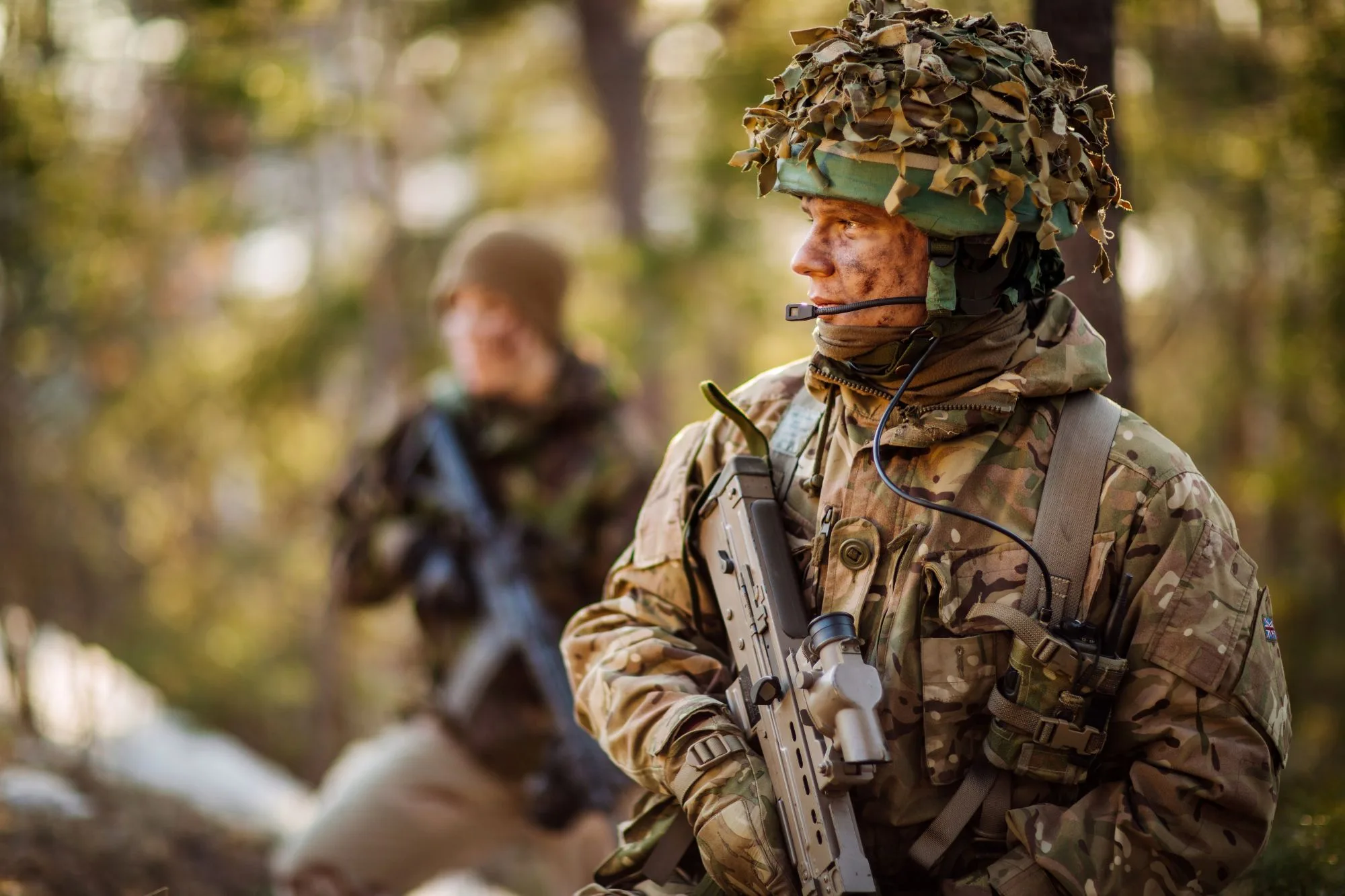
During a prolonged field exercise in cold and wet conditions, a service member might develop numbness and pain in their feet, after their boots and clothing remain wet for an extended period. They report the symptoms but continue the exercise without an adequate opportunity to warm up or change into dry kit, and are later diagnosed with a non-freezing cold injury. If the exposure, equipment, planning or response to those warning signs fell below a reasonable standard, this may be a valid claim.
Related military claims we can support with
Expertise you can trust
- 9/10 clients would recommend us
- Armed Forces Covenant signatories
- Catterick based team, close to the Garrison


What compensation can help with

Recovering lost income and covering future care.
Heat and cold injuries can affect people in very different ways. A serious heat illness may lead to lasting physical or psychological consequences. Persistent non-freezing cold injury can cause pain, altered sensation and cold sensitivity that affects outdoor work and daily activities in the long-term. A claim should be built around your own experience and the impact on your life. Compensation should also reflect what the injury means for your health, military career, earnings and everyday life – both now and in the future.
Depending on the injury and your individual needs, compensation may help with:
- Medical treatment, rehabilitation and specialist care.
- Pain management, medication and psychological support.
- Loss of earnings during recovery or periods of restricted duties.
- Future loss of military earnings, allowances and pension where a career is shortened or restricted.
- Losses linked to medical downgrade, loss of role or specialism, or medical discharge.
- Future civilian earnings where lasting symptoms restrict the work you can do after service.
- Care, support or equipment needed because of a serious injury.
- The wider effect on independence, hobbies, exercise and family life.
Understanding the potential value
There is no standard amount of compensation for a military temperature injury. The value depends on the severity and duration of your symptoms, your prognosis, treatment and rehabilitation needs, and the effect on your work and everyday life.
For serving personnel, the impact on a military career can be particularly important. Medical restrictions, loss of deployment opportunities, a change of role or medical discharge may affect earnings and pension. Where lasting symptoms also restrict future civilian work, those losses may need to be assessed as part of the claim.
Understanding interim payments
Where possible, interim payments may also be arranged for you while you case is going on. This means we can look to secure financial support early in the process – so that you have the means to access specialist support, treatment and recovery equipment, without having to wait until your case is resolved.



Why choose Fletchers for your heat and cold injury claim?
A temperature injury can affect much more than one exercise or deployment. Our wider serious injury, occupational disease and medical expertise means we can assess both the immediate injury and its longer-term consequences. We’ll explain the evidence needed, work with appropriate experts where necessary and give you clear advice about the legal routes available.
Expertise you can rely on
- Catterick-based team, just a few minutes from the Garrison
- Almost 40 years of success representing people with serious injuries
- Ranked by The Legal 500 and Chambers & Partners
- APIL-accredited solicitors within our serious injury team
- Armed Forces Covenant signatories
- Experience handling complex, high-value and catastrophic injury claims
- Close working relationships with medical, care and rehabilitation specialists
- Work with military charities (ABF for example)
- Free initial consultation with no obligation
- No Win, No Fee funding may be available, subject to eligibility and terms
You're not alone
We know that this is a difficult situation
Military training is designed to be demanding, but when you suffer a serious heat or cold-related injury – this goes far beyond what is reasonably expected as part of your role. You health and wellbeing is important, and should be protected by those responsible for your training practices. When we take on your case, it’s our role to investigate the evidence and build a picture as to whether reasonable steps were taken to manage the risks, and is there was an adequate respond when circumstances changed or symptoms developed.
For some people, the effects of a non-cold freezing or heat-related injury can be persistent and long-term. Pain, cold sensitivity, reduced confidence, medical restrictions or uncertainty about your career can affect work, exercise, family life and your plans for the future.
You don’t need to decide for yourself whether somebody was negligent. We can look at the planning, conditions, equipment, supervision and medical response, then explain what options may be available.

Rehabilitation support
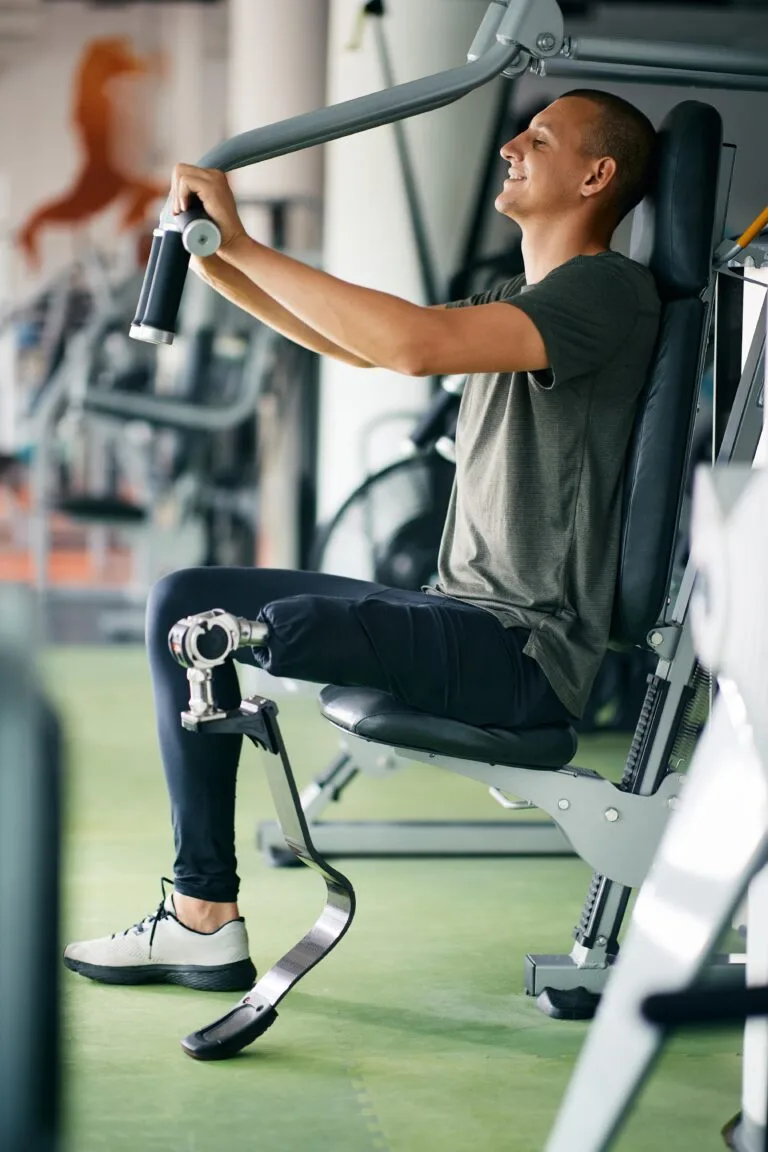
We go beyond legal advice to support you, not just your case, making sure the right care and practical help are in place throughout the compensation claim process.
A message from our Rehabilitation and Wellbeing Team
We work alongside Fletchers Solicitors’ legal experts – listening carefully to your needs, helping you understand what support is available and creating a personalised recovery plan.
Led by rehabilitation manager Julie Chorlton, we bring together expertise across healthcare, therapy and welfare support, and can help arrange access to treatment and financial support. We also work with accredited mental health professionals, giving you and your family access to counselling quickly.
OUR REHABILITATION & WELLBEING TEAM
FAQs about military training accident claims
What is a military temperature injury?
A military temperature injury is an injury or illness linked to exposure to heat or cold during service. This can include exertional heat illness, heat exhaustion, heatstroke, non-freezing cold injury, frostbite and other cold-related conditions. The legal question isn’t simply whether the conditions were difficult, but whether reasonable steps were taken to manage the risk.
Can I claim for a heat injury during military training?
Potentially. A civil claim may need investigation where failures in planning, risk assessment, rest, hydration, acclimatisation, supervision or the response to symptoms caused or worsened a heat injury. You don’t need to know which military procedure may have been breached before seeking advice.
What negligence might contribute to a temperature-related injury?
The circumstances can vary, but our specialists may investigate whether there were failures involving:
- Planning and risk assessment, including whether temperature, weather, exercise intensity and individual risk factors were properly considered.
- Rest, recovery and exposure time, including whether an activity should have been changed, paused or stopped as conditions developed.
- Clothing and equipment, including heavy kit that increased heat load or unsuitable clothing, footwear, shelter or sleeping equipment in cold and wet conditions.
- Hydration and acclimatisation where these were relevant to the activity or deployment.
- Monitoring and supervision, including whether signs of heat or cold injury were recognised and acted on.
- Medical response, including whether assessment or treatment was delayed after symptoms were reported or became apparent.
- Previous injuries or medical restrictions that should have affected how an individual was employed or exposed to temperature-related risks.
Can military heat illness happen in the UK?
Yes. Heat illness isn’t limited to hot overseas climates. Strenuous physical activity, clothing and equipment, environmental conditions and individual factors can all contribute to heat load. Current MOD guidance treats heat illness prevention as a Defence health and safety issue rather than one confined to extreme temperatures.
Does the weather have to be extremely hot to suffer heat illness?
No. Environmental temperature is only one factor. Demanding physical activity, heavy clothing or equipment, humidity and limited recovery can all affect the risk. Each incident needs to be considered in its full context.
What is a non-freezing cold injury?
A non-freezing cold injury, often shortened to NFCI, can develop after prolonged exposure to cold, commonly wet conditions, without the tissue actually freezing. It often affects the hands or feet and can cause symptoms such as numbness, pain, tingling and lasting sensitivity to cold.
Does it have to be below freezing to develop NFCI?
No. This is one of the main misconceptions about non-freezing cold injury. The tissue doesn’t freeze. Prolonged exposure to cold or moderately cold conditions, particularly when wet, can still cause injury.
Can I claim if I wasn’t given suitable clothing or equipment?
Potentially. The suitability of clothing, footwear, shelter, sleeping equipment or other kit may be relevant to a cold injury claim. For heat injuries, heavy or restrictive equipment may also be relevant if its effect on heat load wasn’t properly considered. The circumstances need to be investigated as a whole.
Can I claim if I wasn’t given enough opportunity to rest or warm up?
Rest and recovery can be important when managing both heat and cold risks. A claim may need to consider how long you were exposed, the demands of the activity, whether conditions changed and whether appropriate opportunities to recover were provided.
Can I claim if I wasn’t able to drink enough during an exercise?
It depends on the circumstances. Access to hydration can be relevant to heat illness prevention, but a lack of water doesn’t automatically establish negligence. We would consider the planning, conditions, workload, opportunities to drink and other relevant factors.
What if I reported symptoms but was told to continue?
This may be important. A claim can consider what symptoms were reported or observed, whether they should have prompted a change to the activity or medical assessment, and whether continuing the exposure caused or worsened the injury.
What if I have previously suffered a heat or cold injury?
A previous temperature injury or relevant medical restriction may affect the precautions needed during later activities. The MOD publishes guidance addressing personnel who require protection from cold environments, and previous health information may also be relevant when planning demanding activities in heat. The individual circumstances need to be reviewed.
Can I claim if the injury happened overseas?
Potentially. Military temperature injuries can occur in the UK or overseas. The location doesn’t by itself determine whether a civil claim can be made, although the legal and factual circumstances of an overseas incident may require specialist assessment.
Can I claim if I am still serving?
Yes. You don’t need to wait until you leave servicee before seeking advice about a civil military injury claim. Because legal time limits can apply, it is sensible to obtain advice promptly.
Can I claim after leaving the Armed Forces?
Veterans may be able to bring claims for injuries suffered during service, subject to the facts and applicable time limits. The age of the incident doesn’t by itself answer whether a claim can proceed.
Can Reservists make military temperature injury claims?
Potentially. Reservists can suffer temperature injuries during military training and duties in the same way as regular personnel. Whether a civil claim can be made depends on the circumstances and whether negligence caused or worsened the injury.
How long do I have to make a military temperature injury claim?
Civil personal injury claims are subject to legal time limits, but the correct deadline can depend on the circumstances, including when an injury or illness became apparent and when its connection with service was known. Don’t assume that an older exposure automatically prevents a claim. Seek advice promptly so the relevant dates can be checked.
What evidence could help a military temperature injury claim?
Relevant evidence may include medical and service records, training or exercise documents, risk assessments, incident reports, weather or environmental information, witness evidence, clothing and equipment records, medical restrictions and evidence of career or earnings loss. You don’t need to have collected all of this before contacting us.
What is the difference between an AFCS temperature injury claim and a civil claim?
The Armed Forces Compensation Scheme is a no-fault scheme for eligible injuries and illnesses caused by service on or after 6 April 2005. A civil claim is different and normally requires evidence of negligence. The two routes can sometimes be considered alongside each other.
Can I make an AFCS claim as well as a civil temperature injury claim?
Potentially. AFCS and civil claims are separate routes with different tests. Compensation received through different routes can interact to prevent double recovery, so it’s useful to consider both together where they may apply.
How much compensation could I receive for a military temperature injury?
There is no standard figure. Compensation in a civil claim depends on the severity and duration of the injury, prognosis, treatment, psychological impact, effect on military and civilian employment, lost earnings, pension and any care or support needs.
How long does a military temperature injury claim take?
There’s no fixed timescale. It can depend on the complexity of the circumstances, whether responsibility is disputed, the medical evidence required, your prognosis and the extent of any career or financial losses. We’ll explain the likely stages once we understand your case.
Can my family claim if a military temperature injury was fatal?
Severe heat illness and serious cold exposure can be life-threatening. Where a service-related death may have involved negligence, the family may need advice about a fatal civil claim as well as AFCS survivor benefits and any investigation or inquest.
My goal is simple – to give a voice to those who have served their country and help them secure accountability, recognition and fair compensation when they have suffered avoidable harm.


A national team, here when you need us
With offices across the UK, we’re never too far away, helping people access specialist advice and support wherever they are.
You’re in safe hands
-
THE TIMES BEST LAW FIRM
-
CHAMBERS TOP RANKED LAW FIRM
-
LEGAL 500 TOP TIER FIRM
-
AVMA - LAWYERS’ SERVICE MEMBER
-
BACKUP - TRUSTED LEGAL PARTNER
-
SIA - TRUSTED LEGAL PARTNER
-
CAUDA EQUINA SYNDROME - TRUSTED LEGAL PARTNER
-
STOKE MANDEVILLE SPINAL RESEARCH - GOLD PARTNER
-
ARMED FORCES COVENANT









Start your claim with confidence
Not sure where to start? We’ll listen, guide you, and give clear, honest advice on what to do next.