Military abuse & harassment claims
Mistreatment during military service can have a lasting impact on your health, career and wellbeing. If you’ve been harmed because the Ministry of Defence (MOD) failed to protect you, our specialist military solicitors can help.
-
-
 TOP-RANKED LEGAL EXPERTS
CHAMBERS & LEGAL 500
TOP-RANKED LEGAL EXPERTS
CHAMBERS & LEGAL 500 -
NO WIN, NO FEE



Can I make a military mistreatment claim?
You may be able to make a military mistreatment claim if you suffered physical or psychological harm because of bullying, harassment, abuse, discrimination or other unacceptable treatment during your service.
The MOD has responsibilities towards all who who serve. Depending on what happened, a claim may be possible where reasonable steps were not taken to prevent foreseeable harm, concerns were ignored, or failures within the military allowed harmful behaviour to continue.
This could include repeated bullying or intimidation, harassment by colleagues or senior personnel, physical or sexual abuse, discriminatory treatment or a failure to respond appropriately after mistreatment was reported. You may still have options if you didn’t make a formal complaint at the time, have since left service or the events happened some time ago.
Example of a bullying & harassment claim
Service personnel can be subject to bullying and intimidation from a senior colleague, but reasonable steps aren’t taken to address the behaviour. The bullying continues and they develop a recognised psychological injury. Depending on the circumstances and evidence, they may be able to bring a compensation claim through our team.
Related military claims we can support with
Expertise you can trust
- 9/10 clients would recommend us
- Armed Forces Covenant signatories
- Catterick based team, close to the Garrison


What compensation can help with

Addressing the impact on your life
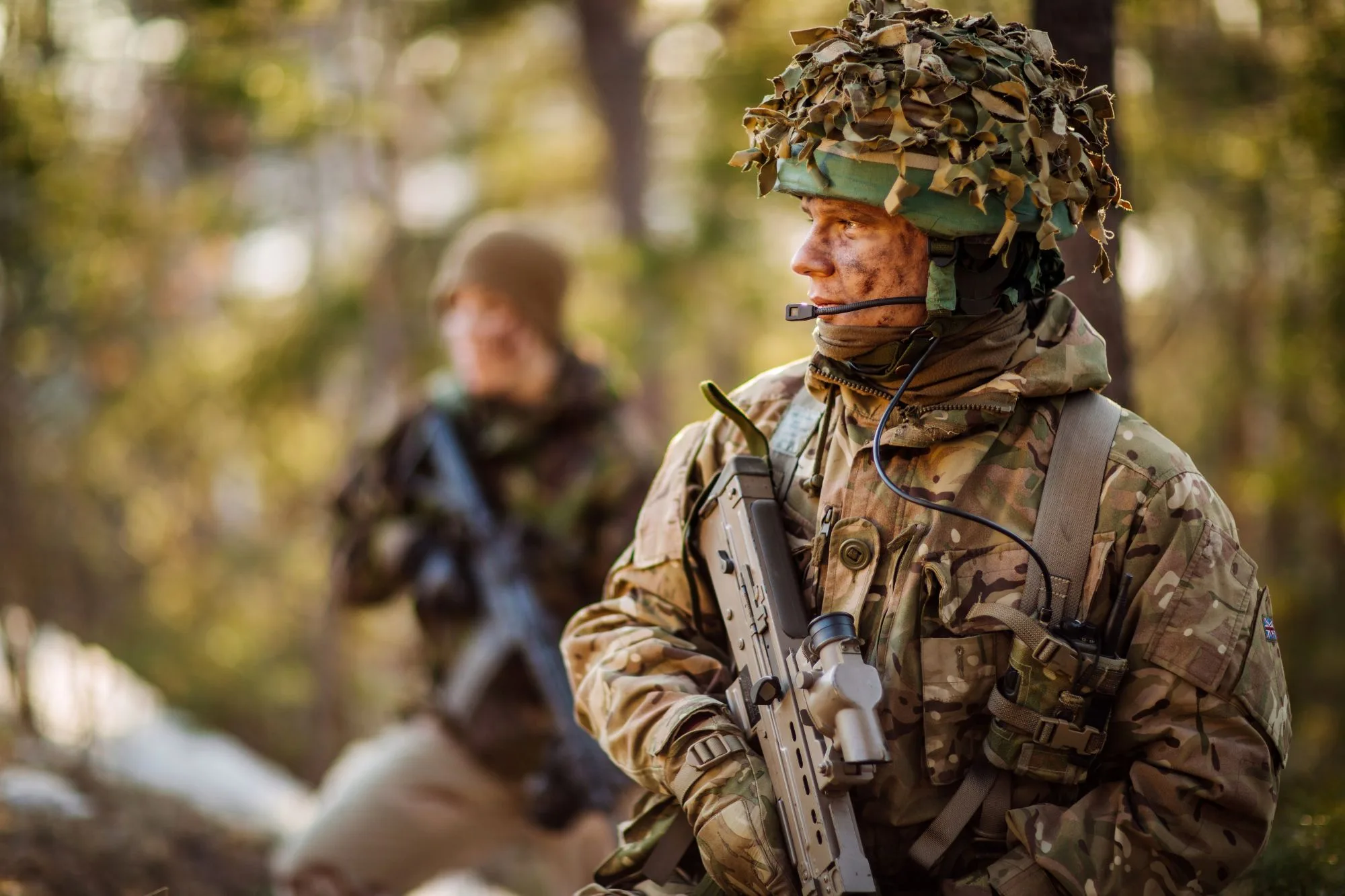
Bullying, harassment, abuse and discrimination can cause significant psychological harm. In some cases, this can affect your ability to continue serving, work after leaving the military or manage everyday life. Compensation can help address the financial and personal impact that military mistreatment has had on your life.
A successful claim may take account of your physical or psychological injuries, covering:
- Treatment and rehabilitation costs
- Loss of earnings, both now and in the future
- Psychological treatment and other specialist support
Understanding the potential value
The value of a claim will depend on your individual circumstances. We’ll consider the nature and severity of your injuries, how long they are expected to affect you, their impact on your military and civilian career, and any treatment or support you may need. The aim is to put you, as far as money can, in the position you would have been in had the harm not happened.
We understand that two people who have experienced similar treatment can be affected very differently, so we assess the physical, psychological, financial and career impact in each case. We’ll gather the evidence needed to understand the full effect the mistreatment has had on you before advising you about the potential value of your claim.
Getting the right support
A compensation claim is only one part of moving forward. Where your experiences have caused psychological or physical injuries, we’ll consider what treatment, rehabilitation and practical support could help you. For some people, this may include specialist psychological treatment. For others, the priority may be addressing lost earnings or the effect their injuries have had on their ability to continue their military career.



Why choose Fletchers for your military mistreatment claim?
Speaking about mistreatment within Service can be difficult, particularly where the people involved were colleagues, senior personnel or part of your chain of command. Our specialists will listen carefully, explain your options clearly and help you decide what to do next.
Our military solicitors understand that claims involving bullying, abuse, harassment and discrimination require specialist legal knowledge and a sensitive, confidential approach. We have extensive experience handling complex personal injury claims, including claims involving significant psychiatric injuries, occupational stress, military service and abuse. We’ll investigate what happened and focus on the effect it has had on your health, career and future.
Expertise you can rely on
- Catterick-based team, just a few minutes from the Garrison
- Almost 40 years of success representing people with serious injuries
- Ranked by The Legal 500 and Chambers & Partners
- APIL-accredited solicitors within our serious injury team
- Armed Forces Covenant signatories
- Experience handling complex, high-value and catastrophic injury claims
- Close working relationships with medical, care and rehabilitation specialists
- Work with military charities (ABF for example)
- Free initial consultation with no obligation
- No Win, No Fee funding may be available, subject to eligibility and terms
You're not alone
We know this has been challenging.
It has been said by our clients that the culture in service can make it feel particularly difficult to speak out. You may have worried that reporting what happened would affect your career, relationships with colleagues or position within your unit.
The effects can also continue long after the behaviour itself has stopped. Bullying, harassment, abuse and discrimination can affect your confidence, mental health, relationships and ability to work. For some people, it can contribute to the end of a military career they had expected to continue.
You don’t need to decide for yourself whether what happened meets the legal test for a claim. Tell us what happened and we’ll give you clear advice about your options.


Rehabilitation support
We go beyond legal advice to support you, not just your case, making sure the right care and practical help are in place throughout the compensation claim process.
A message from our Rehabilitation and Wellbeing Team
We work alongside Fletchers Solicitors’ legal experts – listening carefully to your needs, helping you understand what support is available and creating a personalised recovery plan.
Led by rehabilitation manager Julie Chorlton, we bring together expertise across healthcare, therapy and welfare support, and can help arrange access to treatment and financial support. We also work with accredited mental health professionals, giving you and your family access to counselling quickly.
OUR REHABILITATION & WELLBEING TEAM
People we’ve supported

FAQs about military mistreatment claims
What is military mistreatment?
Military mistreatment can cover a range of harmful or unacceptable behaviour during service. This may include bullying, harassment, discrimination, abuse, sexual harassment, assault, intimidation or abuse of power.
Not every instance of unacceptable behaviour will result in a compensation claim. We’ll look at what happened, the harm you suffered and whether there may be a legal basis for holding the MOD responsible.
Can I make a military bullying claim?
You may be able to make a military bullying claim if bullying in the military caused you a recognised physical or psychological injury and there are grounds for holding the MOD legally responsible.
For example, a claim may arise where those responsible knew, or should reasonably have known, about ongoing bullying but failed to take appropriate action to protect you.
What counts as bullying in the military?
Bullying can take different forms. It may involve repeated intimidation, humiliation, threatening behaviour, deliberate isolation, misuse of authority or other behaviour that causes harm.
Military environments have their own structures, pressures and expectations. Our solicitors will consider the circumstances in which the behaviour happened rather than expecting you to determine for yourself whether it legally amounts to bullying.
Can I claim for military discrimination?
Different legal routes may be available if you have experienced discrimination in the military. The right route will depend on what happened, why you believe you were treated unfairly and the harm or financial loss you suffered.
Discrimination can include being treated unfairly because of characteristics such as race, sex, disability, religion or belief, sexual orientation, gender reassignment or other characteristics protected by law.
These cases can involve different and sometimes short time limits. Speak to a specialist military discrimination lawyer as soon as possible so you can understand the options available to you.
What is military discrimination?
Military discrimination in Service can include unfair treatment linked to a protected characteristic, discriminatory policies or practices, harassment and victimisation.
Can I claim for gender discrimination in the military?
You may have legal options if you experienced unlawful discrimination because of your sex or gender reassignment during military service. This could involve decisions affecting your treatment, opportunities or career, as well as harassment or other discriminatory behaviour. The appropriate legal route will depend on the circumstances.
Can I claim for sexual harassment in the military?
You may have a claim if you experienced sexual harassment in the military and suffered harm as a result. This can include unwanted sexual behaviour, comments or conduct.
We understand that discussing sexual harassment can be difficult. You can speak to us confidentially and we’ll explain your options without expecting you to know what type of legal claim you may have.
Can I make a military sexual assault claim?
If you experienced sexual assault during your military service, there may be different routes for seeking compensation or taking action. The appropriate route can depend on when and where the assault happened, who was responsible and the circumstances surrounding it.
A compensation claim may be possible in some cases. Other routes may also be relevant, including reporting a criminal offence or applying to an appropriate compensation scheme. We can explain which options may apply to your circumstances.
Can I make a claim for historic abuse in the military?
The fact that military abuse happened many years ago doesn’t necessarily mean you should rule out seeking legal advice. Claims are subject to time limits, but the rules can depend on the type of claim and its circumstances. In some personal injury cases, a court has discretion to allow a claim to proceed after the usual limitation period.
Historic claims can become harder to investigate as time passes, so it is important to get specialist advice as soon as you feel able.
Is there a time limit for making a bullying & harrasment claim?
Yes. Different time limits can apply depending on the type of legal action you are considering.
For personal injury claims in England and Wales, the usual time limit is generally three years from the date of injury or the date you first had the required knowledge about your injury and its cause. There are exceptions, and a court may have discretion to allow some claims to proceed outside the usual period.
Other types of claim, including some discrimination and human rights claims, can have significantly shorter deadlines. Claims connected with overseas military operations may also be subject to additional limitation rules.
Speak to us as soon as possible and we can explain which deadline may apply to your circumstances.
Do I need to make a Service Complaint before bringing a claim?
Not necessarily. A Service Complaint and a compensation claim are different processes, although the circumstances may overlap.
Serving and former members of the Armed Forces can use the Service Complaints process for certain grievances connected with service, including bullying, harassment and discrimination. Depending on the type of case, there may also be circumstances where the Service Complaint process is relevant to another legal route.
Crucially, you shouldn’t assume that making a Service Complaint extends the deadline for bringing a claim. Get legal advice promptly if you are considering both.
What is the Armed Forces Commissioner?
The Armed Forces Commissioner is an independent office that came into effect on 1 April 2026. Its role includes functions connected with the Service Complaints system.
This is separate from bringing a civil compensation claim. We can explain the difference between the available processes and which may be relevant to your circumstances.
Can I claim if I didn’t report the bullying or abuse at the time?
Not reporting what happened at the time doesn’t automatically prevent you from seeking legal advice or bringing a claim.
There can be many reasons why someone doesn’t report mistreatment during military service. You may have been worried about your career, concerned about the reaction of colleagues or senior personnel, or simply not felt able to speak about what happened.
We’ll consider the evidence that is available now and advise you about your options.
Can I claim if I have already left the Armed Forces?
Yes, former service personnel may still be able to bring a claim. Leaving the Army, Royal Navy or RAF doesn’t in itself prevent you from seeking compensation for harm suffered during service.
Time limits will still apply, so contact us as soon as possible if you are considering a claim.
Can I make a claim if the mistreatment happened overseas?
Potentially. The fact that bullying, harassment, discrimination or abuse happened while you were deployed or stationed overseas doesn’t automatically prevent a claim.
However, additional legal rules and time limits can apply to claims connected with overseas military operations. Specialist advice is particularly important in these cases.
Can I make a claim if the mistreatment caused PTSD or another psychological injury?
Military mistreatment can cause serious psychological injuries as well as physical harm. If bullying, harassment, discrimination or abuse caused or worsened a recognised psychological condition, such as post-traumatic stress disorder, anxiety or depression, we can consider this as part of your claim. Medical evidence will usually be important in establishing the nature of your injury and its effect on your life.
Can I claim if bullying or discrimination ended my military career?
The effect on your career can be an important part of a compensation claim where the legal requirements for a claim are met.
If an injury caused by mistreatment meant you could no longer serve, affected promotion or left you unable to pursue the career you had planned, we can investigate the resulting financial loss as part of assessing your claim.
Can I claim compensation through the Armed Forces Compensation Scheme as well?
The Armed Forces Compensation Scheme, or AFCS, is separate from a civil claim against the MOD. It provides compensation for injury, illness or death caused by service on or after 6 April 2005 and doesn’t require you to prove negligence in the same way as a civil claim.
Depending on your circumstances, more than one route may need to be considered. Payments under another compensation scheme can also affect the compensation recovered elsewhere, so we’ll explain how the options fit together.
Will making a military mistreatment claim affect my career?
It’s understandable to worry about the effect speaking out could have, particularly if you are still serving. We’ll discuss those concerns with you and explain your options confidentially. The position will depend on the type of claim and your individual circumstances, so we will not make assumptions about the effect legal action could have on your service.
What evidence can help with a military mistreatment claim?
The evidence needed will depend on what happened. It may include:
- Medical and military medical records
- Service records
- Emails, messages or other written communications
- Service Complaint documents
- Records of incidents or reports you made
- Statements from people who witnessed what happened
- Evidence showing the effect on your career or earnings
Don’t worry if you don’t have all of this. Our specialists can explain what evidence is likely to matter and help gather the information needed to investigate your claim.
How do I start a military mistreatment claim?
You can start by speaking to one of our specialist solicitors. You don’t need to know which law applies or whether you definitely have a claim.
We’ll listen to what happened, consider the harm you suffered and explain the options available to you. If we can help with a compensation claim, we’ll tell you what happens next.
My goal is simple – to give a voice to those who have served their country and help them secure accountability, recognition and fair compensation when they have suffered avoidable harm.


A national team, here when you need us
With offices across the UK, we’re never too far away, helping people access specialist advice and support wherever they are.
You’re in safe hands
-
THE TIMES BEST LAW FIRM
-
CHAMBERS TOP RANKED LAW FIRM
-
LEGAL 500 TOP TIER FIRM
-
AVMA - LAWYERS’ SERVICE MEMBER
-
BACKUP - TRUSTED LEGAL PARTNER
-
SIA - TRUSTED LEGAL PARTNER
-
CAUDA EQUINA SYNDROME - TRUSTED LEGAL PARTNER
-
STOKE MANDEVILLE SPINAL RESEARCH - GOLD PARTNER
-
ARMED FORCES COVENANT









Start your claim with confidence
Not sure where to start? We’ll listen, guide you, and give clear, honest advice on what to do next.