
Inadequate training at work claims
Injuries caused by poor or missing training can leave you unsure where to turn for guidance. Our specialist solicitors have helped many people after workplace accidents, offering straightforward advice and support at a time when life feels unsettled.
-
-
 Top-ranked legal experts
Chambers & Legal 500 -
No win, no fee



Can I make an inadequate training at work claim?
If your injury happened because you weren’t given the training you needed to work safely, you may be able to make an inadequate training compensation claim.
Many workplace injuries occur when someone hasn’t been shown how to carry out a task safely. You may have been asked to use machinery without proper instruction, lift heavy items without manual handling training, work at height without the right guidance, or carry out a task you weren’t qualified for. Poor training can also include unclear procedures, rushed inductions or being left to manage a task without supervision.
HSE data shows that 680,000 workers sustained a non‑fatal injury at work last year, highlighting how common workplace injuries are when tasks aren’t carried out safely.
Employers have a legal duty of care to give you proper training, clear instructions and the right supervision to keep you safe at work. If that duty wasn’t met and you were injured as a result, you may have a claim, even if you’re unsure what caused the accident, feel you may have been partly at fault, or time has passed. Speaking to a specialist is a simple first step.
We’ll listen to what happened, explain your position clearly and guide you through what happens next.
Example of an inadequate training at work claim
Imagine an employer leaves a factory worker to be trained in the use of a cutting machine by colleagues on the shop floor during a busy working day, rather than providing dedicated training time and proper instruction. When they come to use the machine, the guard is not positioned correctly and their hand becomes caught by the blade, causing a deep cut and lasting nerve damage. If they were not trained to use the equipment safely, this could form the basis of an inadequate training compensation claim.
Related factory accident claims we support
Expertise you can trust
- 9/10 clients would recommend us
- APIL Accredited Experts
- 4,000+ client outcomes achieved in the last 12 months
What compensation can help with


Recovering lost income and covering future care.
An injury caused by poor or missing training can affect your health, wellbeing and ability to work, whether that’s for a short period while you recover or, in more serious cases, a longer-term adjustment. Compensation can help you cover the costs you’ve already faced and secure the support you may need in the future.
Some injuries heal quickly but still disrupt day-to-day life. Others can lead to lasting pain, reduced mobility, scarring or permanent changes to your ability to work. What matters most is ensuring you have the right support to move forward.
Depending on your circumstances, compensation may help with:
- Loss of earnings
- Private medical treatment and physiotherapy
- Psychological support
- Rehabilitation and ongoing care
- Specialist equipment or mobility aids
- Travel costs linked to treatment
- Other reasonable out-of-pocket expenses
Understanding the potential value
We supported a young tree surgeon who fell 30 feet during unsafe on-the-job training and suffered multiple traumatic injuries, including fractures to his wrist, pelvis and ribs, as well as long-term nerve damage and psychological trauma. We secured a settlement in the region of £280,000, protected within a Personal Injury Trust to support his future treatment, rehabilitation and financial stability.
The value of an inadequate training injury claim depends on your injury, how long it affects you, your work, and any care or support you may need. More serious injuries with lasting consequences can lead to higher settlements. What matters most is ensuring you have the right support to recover and move forward.
Understanding interim payments
In more serious cases, it may be possible to request an interim payment while your claim is ongoing. These early payments can help with immediate medical needs such as specialist treatment or physiotherapy. We can also support you if your injury has affected your ability to work, easing short‑term pressure while your claim progresses.




Why choose Fletchers for your inadequate training claim?
When training hasn’t been provided properly, injuries at work can have a real impact on your day-to-day life. Our specialist team will review what training was provided, how the injury happened and what support you may need, giving you clear guidance throughout your claim.
Expertise you can rely on
- Specialist accident at work solicitors with experience across inadequate training and wider workplace safety claims
- Recognised by The Legal 500 and Chambers & Partners for personal injury
- APIL‑accredited solicitors with experience in serious workplace injury
- In‑house rehabilitation support to help you access treatment early
- Experienced across all employment arrangements including agency work, zero‑hours contracts and self‑employment
- No Win, No Fee, so there’s no financial risk in pursuing your claim
- Proven experience supporting clients with both straightforward and complex injuries
You're not alone
We understand this must feel really difficult.
Being injured at work can be unsettling, especially when it happened because you weren’t given the training you needed to do your job safely. You may be dealing with pain, treatment, and time away from work you never anticipated. All of this can feel like a heavy burden when you’re trying to recover.
It’s also very common to feel worried about raising a claim against your employer. Many people fear it could affect their job or future prospects. In reality, the process is designed to protect employees, and employers are not allowed to treat you unfairly for asking about your rights. Speaking to a solicitor doesn’t start anything formal, it simply helps you understand your position so you can make an informed choice.
For some clients, the priority is understanding what went wrong. For others, it’s accessing rehabilitation, rebuilding confidence or securing the support they need to move forward. Whatever matters most to you, we’ll take the time to listen and guide you through the next steps.
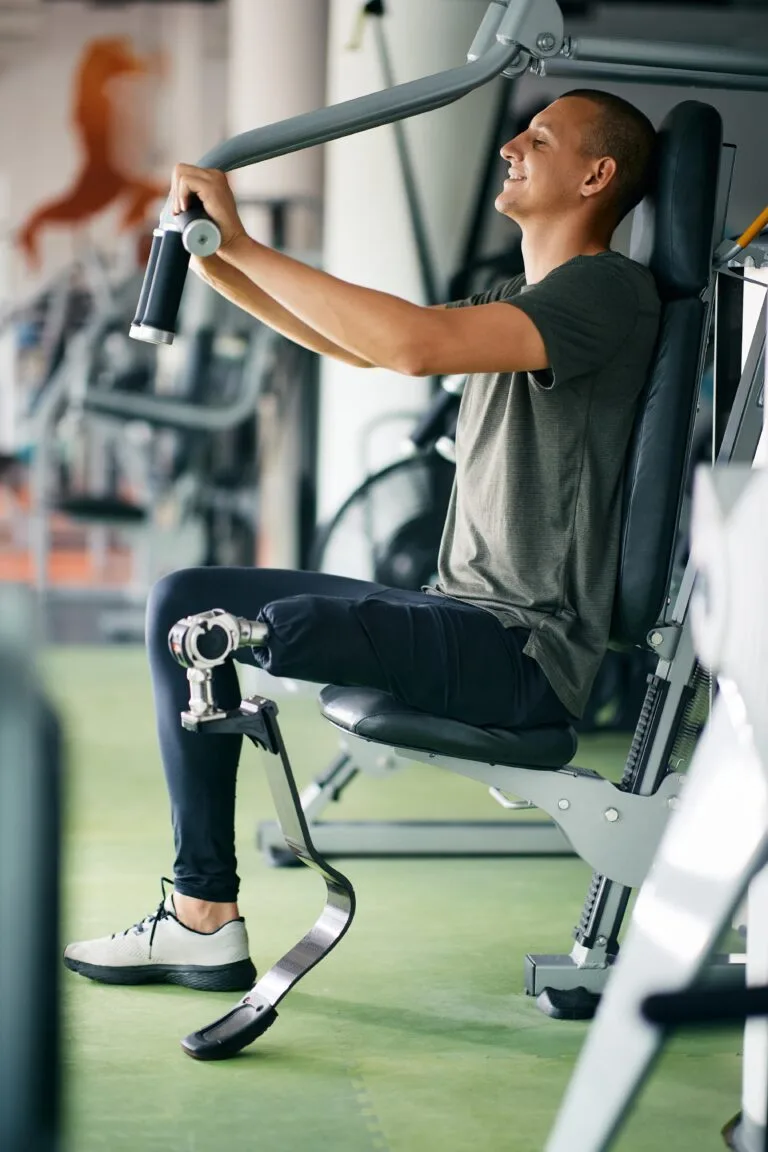
Rehabilitation support
We go beyond legal advice to support you, not just your case, making sure the right care and practical help are in place throughout the compensation claim process.
A message from our Rehabilitation and Wellbeing Team
We work alongside Fletchers Solicitors’ legal experts – listening carefully to your needs, helping you understand what support is available and creating a personalised recovery plan.
Led by rehabilitation manager Julie Chorlton, we bring together expertise across healthcare, therapy and welfare support, and can help arrange access to treatment and financial support. We also work with accredited mental health professionals, giving you and your family access to counselling quickly.
OUR REHABILITATION & WELLBEING TEAM
People we’ve supported


FAQs about factory accident claims
How do I start an inadequate training at work claim?
Tell us what happened, how you were injured and what training you received. We’ll assess whether your experience may form the basis of an inadequate training compensation claim, explain your options clearly and guide you through the next steps.
How long does an inadequate training claim take?
There’s no fixed timescale. Straightforward cases may resolve sooner than claims involving serious injuries, disputed responsibility or complex evidence.
How much time do I have to make an inadequate training claim?
In most cases, the law gives you three years, known as the limitation period, from the date of the injury or from when you first realised your injury may be linked to inadequate training. Different rules apply for children or people who lack mental capacity.
How much does it cost to make an inadequate training claim?
We handle eligible claims on a No Win, No Fee basis. You pay nothing upfront, and if your case doesn’t succeed, you won’t face legal fees. If your claim is successful, a pre‑agreed fee is taken from your compensation.
Can I lose my job for making a claim?
It’s understandable to worry about this, but employers are not allowed to dismiss you or treat you unfairly for asking about your rights. A claim doesn’t put your job at risk, and many people continue working as normal while their case is investigated.
Will my employer be told I’m considering a claim?
You can get advice without your employer being contacted. If you decide to proceed, we’ll explain clearly what information is needed and how the process works.
Can I make a claim if I’m still employed there?
Yes. Many people make workplace injury claims while still working for the same employer. The process is designed to protect employees, and you don’t need to wait until you leave your job before asking for advice.
Will my employer have to pay out of their own pocket?
No. Workplace injury claims are usually dealt with through employer liability insurance, not personal funds. This helps keep the process professional and removes pressure from your working relationship.
What should I do after an accident caused by inadequate training?
If you’ve been injured, try to report the incident, make sure it’s recorded, take photos if you can, get medical treatment and keep a note of any symptoms or financial losses. Early steps can help preserve evidence that may support your claim.
What evidence can help with an inadequate training claim?
Useful evidence can include training records, witness statements, incident reports, photographs, medical records, equipment logs and workplace policies. Don’t worry if you don’t have everything, we can help gather what’s needed.
Can I claim if I was partly at fault?
Yes. This is known as contributory negligence, and shared responsibility doesn’t automatically prevent a claim. We can explain how this works and what it means for your case.
Does it matter if I’m agency staff, a contractor or on a zero hours contract?
No. Employers and site operators still have health and safety responsibilities, even where working arrangements are not permanent. You may still be able to make a claim if poor training contributed to your injury.


A national team, here when you need us
With offices across the UK, we’re never too far away, helping people access specialist advice and support wherever they are.
You’re in safe hands
-
THE TIMES BEST LAW FIRM
-
CHAMBERS TOP RANKED LAW FIRM
-
LEGAL 500 TOP TIER FIRM
-
ARMED FORCES COVENANT
-
AVMA - LAWYERS’ SERVICE MEMBER
-
HEADWAY ACCREDITED SOLICITORS
-
SIA - TRUSTED LEGAL PARTNER
-
CBIT - TRUSTED LEGAL PARTNER








Start your claim with confidence
Not sure where to start? We’ll listen, guide you, and give clear, honest advice on what to do next.