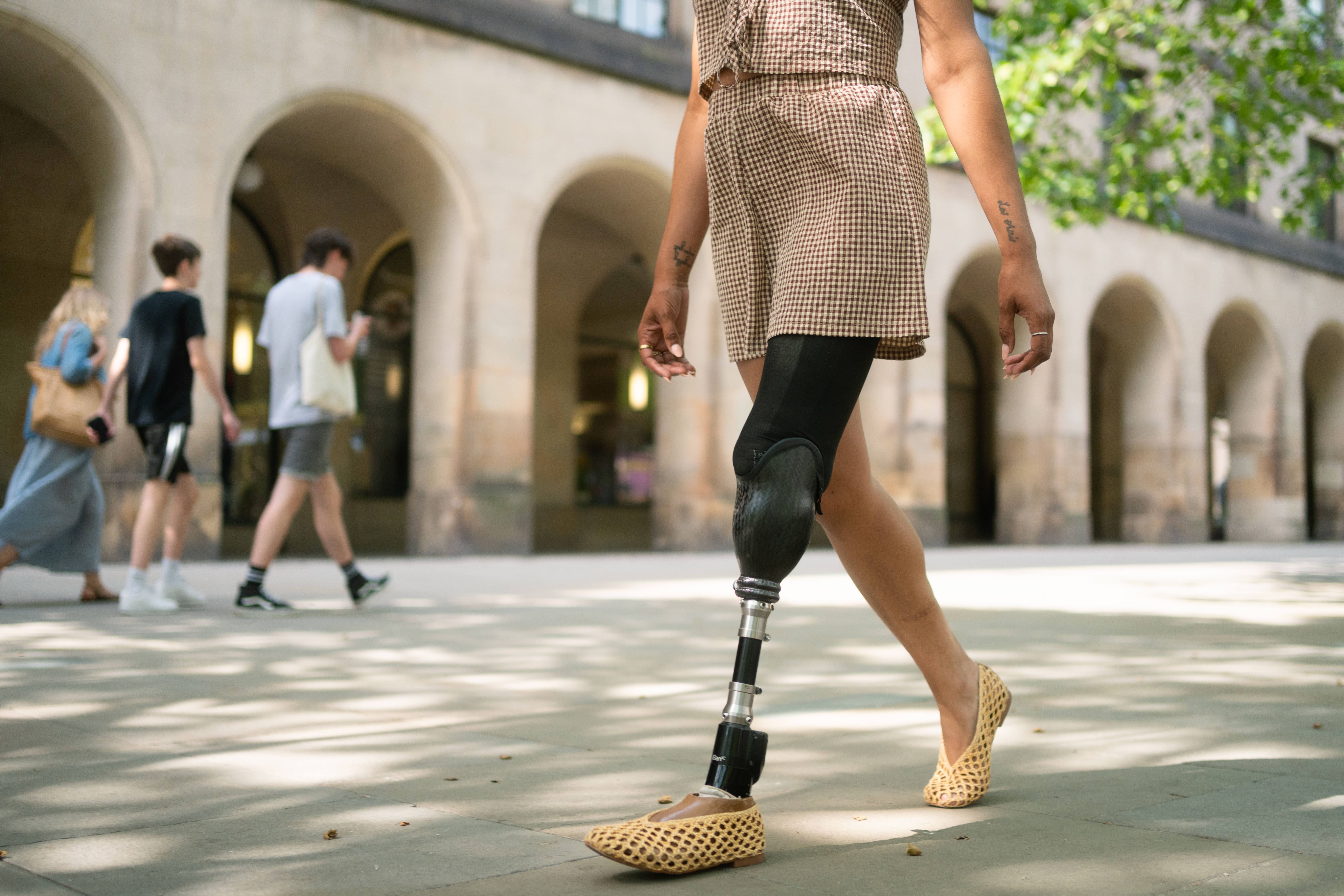
Amputation negligence claims
If you have experienced limb loss because of medical negligence, you may be able to make an amputation negligence claim. This can happen after a misdiagnosis, surgical error, or inadequate post-operative care. Whatever your circumstances, our specialist team can help you understand your options.
-
-
 TOP-RANKED LEGAL EXPERTS
CHAMBERS & LEGAL 500
TOP-RANKED LEGAL EXPERTS
CHAMBERS & LEGAL 500 -
NO WIN, NO FEE



Can I make an amputation negligence claim?
You may be able to make an amputation negligence claim if your limb loss was caused by mistakes in your medical care. That could include delays in diagnosing serious conditions like sepsis, vascular compromise, diabetes complications, meningitis or cancer. It may involve surgical errors, failures to monitor blood flow properly, or delays in treating infection that allowed tissue damage to become irreversible. In some cases, earlier treatment could have prevented the need for amputation altogether
Many people come to us unsure whether what happened was negligence or simply an unavoidable outcome. That’s completely understandable. Part of our role is helping you get answers. Even if time has passed, or you were initially told nothing could have been done differently, it may still be worth speaking to a specialist solicitor.
We’ll listen to what happened, review the circumstances carefully, and tell you honestly whether we believe you may have grounds to claim. There’s no obligation to continue, and no risk in asking the question.
Example of an amputation negligence claim
An example might be, if a person with a history of vascular problems repeatedly reports severe pain in their foot. Despite warning signs and opportunities to investigate further, if their doctor fails to recognise the seriousness of the condition, and doesn’t escalate quickly, this person might have a delay in treatment. This might mean that the blood supply to their leg becomes deteriorated, and they may need a below-knee amputation, which could have been avoided if the correct processes were followed at the right time.
Common amputation negligence claims we support
- 9/10 clients would recommend us
- AVMA Panel Members
- Securing interim payments to ensure early access to support
What compensation can help with

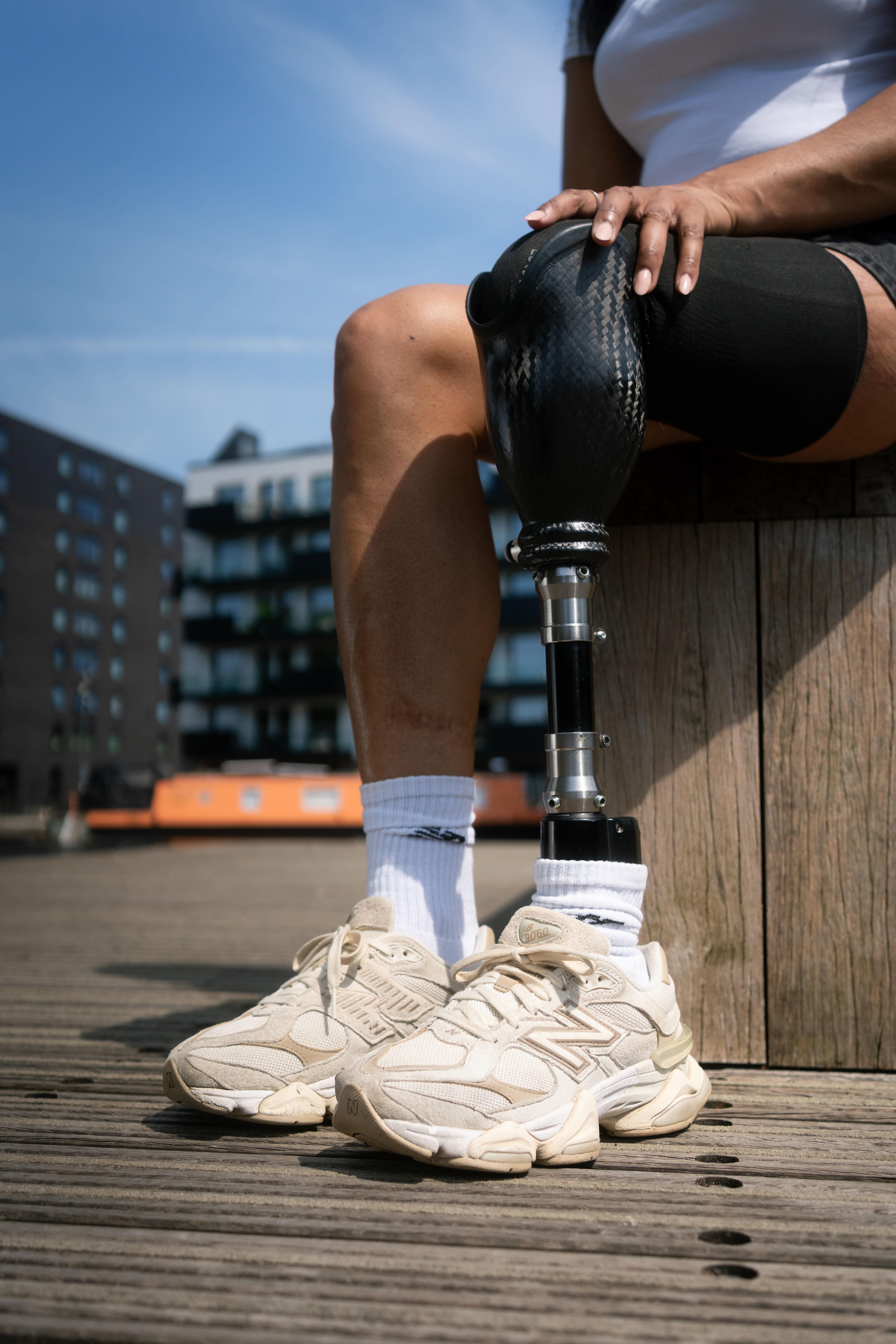
Recovering lost income and covering future care
In amputation negligence claims, compensation is about getting the support you need to rebuild your life. It’s not simply receiving a financial payout. Compensation can provide stability, access to rehabilitation and the specialist equipment you need to adapt to life after an amputation.
A successful claim means that you future care needs can be properly funded, both now and in the future. Compensation can support you with prosthetics, rehabilitation, home adaptations, psychological support, care needs, loss of earnings and the wider costs that arise after an amputation.
Depending on your circumstances, compensation may help cover:
- Prosthetic limbs
- Rehabilitation and physiotherapy
- Psychological support and counselling
- Mobility aids and specialist equipment
- Adaptations to your home or vehicle
- Professional care and support
- Loss of earnings and future income
- Travel and medical expenses
Understanding the potential value
In one meningitis negligence case, a child was left with life-changing injuries which meant she was given a below-knee amputation. This happened after failures to diagnose and treat her meningitis quickly enough. We secured a £10.5 million settlement, which helped provide lifelong care, therapies and specialist support she needed – which meant peace of mind for her and her family.
Understanding interim payments
Interim payments in amputation negligence claims can provide early financial support while your claim is ongoing. They can help you access rehabilitation, prosthetic services, mobility support and essential care without waiting for the final settlement. For many people, early financial support plays a big part in protecting their long-term independence. It often means that treatment and support can begin as early as possible.








Why choose Fletchers for your amputation negligence claim
Fletchers is recognised for its specialist expertise in amputation negligence claims. We’ve supported people across the UK after life-changing injuries caused by avoidable medical errors. We believe in putting people first, and we combine specialist legal expertise with a compassionate, personal approach - helping people find answers; access financial support, rehabilitation and care for the future.
Expertise you can rely on
- Specialist amputation and medical negligence solicitors with decades of combined experience
- Ranked by Legal 500 as a leading firm in medical negligence
- In-house rehabilitation support, working with leading clinicians, prosthetic experts and mobility specialists
- Multi-million-pound settlements secured for clients who have suffered avoidable limb loss
- Rated excellent on Trustpilot by the clients we’ve supported through life-changing injuries
- No win, no fee, giving you complete financial peace of mind
You’re not alone
We know the challenges you’re facing.
We know how overwhelming life after an amputation can feel. Everyday routines can suddenly become more difficult; while pain management, mobility, confidence, independence – and even your sense of identity – can all be affected. Everyday tasks can come with new challenges, life can feel unfamiliar, and returning to work may take time. Activities that once felt effortless may now require different approaches and specialist support. The effects are serious and life changing.
The financial impact of losing a limb can also be overwhelming. Time away from work is often unavoidable, and the cost of rehabilitation, prosthetics, home adaptations and ongoing therapy can create pressure at a point when you should be focused on healing. These demands can build quickly and leave you feeling unsure about what comes next.
You may still be trying to process what happened, adjust to day-to-day life, or support someone you love through an incredibly difficult time. We’re here to listen, explain your options clearly, and help you understand whether you may have a claim, with no pressure to move forward unless it feels right for you.
People we’ve supported



FAQs about amputation negligence
What are amputation negligence claims?
Amputation negligence claims are legal cases brought when a person has lost a limb as a direct result of a healthcare professional’s failure to provide the standard of care expected. Medical negligence, also known as clinical negligence, often means that a doctor, surgeon, nurse -or any other healthcare provider- fails to meet the expected standard, and causes avoidable harm as a result. When this leads to an amputation, that could have been avoided, you may have grounds to claim compensation.
Negligence that leads to amputation can take many forms. It might involve a failure to diagnose a serious condition in time, a delay in referring a patient for specialist treatment, an error made during surgery, or inadequate care in the aftermath of a procedure.
In some cases, the amputation itself is the result of a never event, such as the removal of the wrong limb, which should simply never happen in a clinical setting. In others, it is the downstream consequence of a missed diagnosis that allowed a condition such as sepsis, cancer, or vascular compromise to progress to the point where amputation became unavoidable.
What support can I expect through my amputation negligence claim?
It’s completely normal to feel uncertain and we’ve supported many clients in exactly this position, people who weren’t sure whether they had a claim, who felt let down by the care they received, or who simply needed someone to listen and take the weight off their shoulders. What they all had in common was the need for a team who truly understands the reality of life after an amputation.
That’s what we’re here to do. We’ll guide you through every step, keep you informed and fight for compensation that reflects the full impact of what has happened to you, supporting your needs and your future, so you can move forward with clarity and confidence.
Can I make an amputation negligence claim for someone else?
If you are claiming on behalf of your child, under the age of 18 and has and they experienced medical negligence resulting in amputation, you can make a claim on their behalf. You can submit a claim any time up until their 18th birthday.
Once they turn 18, they have three years to make a claim themselves.
You may also be able to make a claim for someone who lacks the mental capacity to claim for themselves. For instance, this may be a person with severe brain injuries, autism or dementia.
In these cases, power of attorney will be required to pursue a claim on behalf of someone else – or you can apply to The Court of Protection (in England and Wales); The Office of the Public Guardian (in Scotland); or The Office of Care and Protection (in Northern Ireland) to do so.
How do I know if my amputation was due to negligence?
You may have an amputation negligence claim if your limb loss was caused or made necessary by mistakes in your medical care. This can include failures to diagnose a serious condition, delays in treatment, surgical errors or inadequate monitoring that allowed tissue damage to progress.
You may have grounds to claim if:
Your amputation resulted from a failure to meet the expected standard of care
That failure directly caused the amputation or made it unavoidable
The negligence happened within the last three years, or you only recently realised it contributed to your amputation
You have some supporting evidence such as medical records, correspondence or notes of concerns raised at the time
If you’re unsure whether what happened amounts to negligence, our team can review your situation in a free, no-obligation consultation. You don’t need to have everything prepared before you get in touch.
Why should I make an amputation negligence claim?
We understand that making an amputation negligence claim can’t take away the pain and suffering you’ve been through. However, it may provide financial support to cover the costs of any ongoing medical treatment and therapy, loss of earnings, and home adaptations.
It may also highlight any issues with the standard of care provided by a particular healthcare professional or institution. This could prevent this happening to anyone else in the future. You may also receive an apology for what you’ve been through.
If you choose our specialist to help you make a claim, we work with third-party support networks which could be made available to you in order to ensure that you receive all the emotional and practical support you need, even long after your claim is settled.
How long after amputation negligence can I make a claim?
In most cases, you have three years from the date of the negligence to start an amputation negligence claim. If you only became aware later that negligence caused or contributed to your amputation, the three-year period may run from the date you first made that connection.
There are important exceptions: if the person affected was under 18 at the time, the three years typically begin on their 18th birthday, giving them until their 21st birthday to bring a claim.
If a lack of mental capacity has affected someone’s ability to claim, the time limit may be paused until capacity is regained. Whatever your situation, we’d always encourage you to get in touch as soon as possible. Acting early gives us the best opportunity to gather evidence and give your case the strongest possible foundation.
What circumstances can lead to amputation?
Cases involving delayed diagnosis, vascular compromise, sepsis, surgical errors and failures to treat infection can all lead to avoidable amputation. When you speak to us for the first time, we’ll start to build a picture of what happened, and over time, we’ll develop a clear understanding of how an avoidable medical mistake may ahev led to you losing a limb.
How long does an amputation negligence claim take?
Your case may take months, or even years, to resolve depending on the severity and complexity of your circumstances. For this reason, we recommend you contact us as soon as possible, so you have the best chance of receiving the compensation you need.
How to start an amputation negligence claim?
You can start an amputation negligence claim by reaching out to our specialists. We will discuss your situation with a free no-obligation consultation to assess your claim. Our team always puts your interests and wellbeing first. It means working to achieve an amount of compensation that best reflects your pain and suffering. But it can also mean being honest if we think your case might not be a success. The best way to find out is to begin the process.
How do I fund my amputation negligence claim?
Our team will discuss with you in plain-language what the most suitable and appropriate funding is available for you, including pursuing a claim on a no win no fee basis.
Do amputation negligence claims go to court?
The majority of amputation negligence claims are resolved through negotiation and settle before reaching court. However, because these cases can involve complex medical evidence and significant compensation, court proceedings are sometimes necessary if a fair settlement cannot be agreed. If that becomes the case, our team will prepare thoroughly and support you every step of the way. We’ll always be straightforward with you about the possibility of court proceedings and what to expect if it comes to that. Whatever the outcome, you won’t be facing it alone.
what evidence is needed for an amputation negligence claim
Evidence in an amputation negligence claim will usually include medical records, scans, test results and details of the treatment you received before the amputation took place. Our specialists can help gather and review this evidence for you, including working with independent medical experts to understand whether earlier diagnosis or treatment could have prevented the amputation.
Can I claim PIP for amputation?
You may be able to claim Personal Independence Payment (PIP) after an amputation if your injury affects your daily living or mobility. Eligibility will depend on how your condition impacts everyday tasks, rather than the amputation itself, and support is available whether you are working or not.
What benefits can I claim after leg amputation?
Following a leg amputation, you may be entitled to benefits such as PIP, Employment and Support Allowance (ESA), Universal Credit or other forms of financial support depending on your circumstances. These benefits can help with mobility needs, loss of income and the additional costs that can come with adapting to life after an amputation.


A national team, here when you need us
With offices across the UK, we’re never too far away, helping people access specialist advice and support wherever they are.
You’re in safe hands
-
THE TIMES BEST LAW FIRM
-
CHAMBERS TOP RANKED LAW FIRM
-
LEGAL 500 TOP TIER FIRM
-
ARMED FORCES COVENANT
-
AVMA - LAWYERS’ SERVICE MEMBER
-
HEADWAY ACCREDITED SOLICITORS
-
SIA - TRUSTED LEGAL PARTNER
-
CBIT - TRUSTED LEGAL PARTNER











Start your claim with confidence
Not sure where to start? We’ll listen, guide you, and give clear, honest advice on what to do next.